Idaho National Laboratory (INL), one of the United States’ principal research centers for nuclear energy and advanced reactor technology, is set to host a summit focused on cybersecurity and resilience for the nuclear industry in Utah. The event brings together specialists working at the intersection of nuclear operations and digital security at a time when energy infrastructure worldwide faces growing scrutiny over its exposure to cyber threats.
While detailed programming for the summit has not been made public, the initiative reflects a broader push within the U.S. Department of Energy’s national laboratory system to strengthen the resilience of nuclear facilities against evolving digital threats. INL, based in Idaho Falls, is a key federal research hub for advanced nuclear reactor development and has increasingly positioned itself as a center for cybersecurity research applied to critical energy infrastructure, including instrumentation, control systems, and grid-connected nuclear assets.
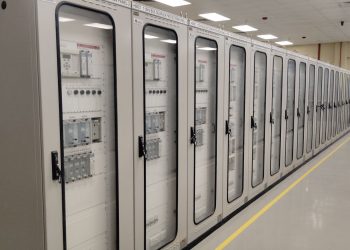
Cybersecurity for nuclear facilities has become an area of heightened concern globally as reactors and supporting infrastructure become more digitized and interconnected. Industrial control systems that manage plant operations, once largely isolated from external networks, are increasingly integrated with data systems that can be vulnerable to intrusion, ransomware, and other forms of cyberattack. Summits of this kind typically serve as venues for utilities, regulators, technology vendors, and national laboratories to exchange approaches to threat detection, incident response, and system hardening specific to nuclear environments.
Relevance for Gulf Nuclear and Energy Programs
Although the summit is being held in the United States and no Gulf participants have been confirmed, the subject matter carries indirect relevance for the region. The UAE operates the Barakah Nuclear Energy Plant, the Arab world’s first commercial nuclear power facility, which has been progressively bringing multiple reactor units online in recent years. As the plant’s operational footprint grows, so does the importance of robust cybersecurity protocols to protect its control systems, data networks, and connected infrastructure from external threats.
Saudi Arabia has also signaled ambitions to develop civilian nuclear power capacity as part of its broader energy diversification strategy, a move that would similarly require attention to cybersecurity frameworks governing nuclear infrastructure. As Gulf states expand their nuclear and advanced energy portfolios, international forums addressing best practices in nuclear cybersecurity, such as the one being convened by INL, are likely to inform standards and protocols that regional operators and regulators may eventually adopt or reference.
Cybersecurity cooperation between the United States and Gulf nations has expanded in recent years across sectors including energy, finance, and critical infrastructure, often through bilateral technical exchanges and shared regulatory frameworks. Nuclear-specific cybersecurity guidance developed at U.S. national laboratories has historically influenced international standards promoted by bodies such as the International Atomic Energy Agency, which Gulf nuclear regulators, including the UAE’s Federal Authority for Nuclear Regulation, also engage with.
Further details on the summit’s agenda, participating organizations, and specific resilience strategies to be discussed are expected to emerge closer to the event. TAI News will continue to monitor developments related to nuclear cybersecurity initiatives with potential relevance to the UAE and broader Gulf energy sector.