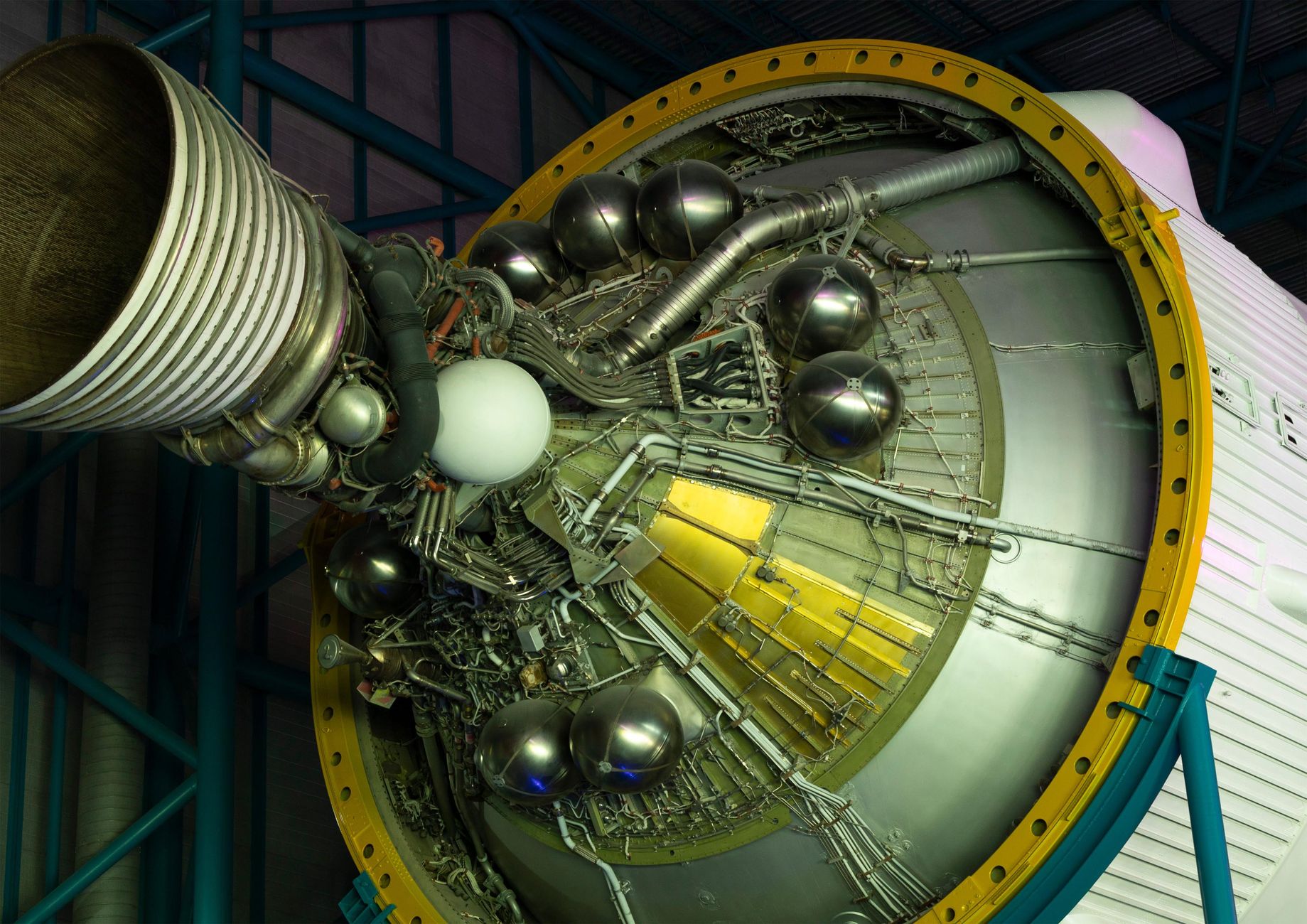
The market for satellite propellant tanks is drawing renewed attention from industry analysts as satellite manufacturers and space agencies work to improve the efficiency, durability and safety of propulsion systems used to power spacecraft in orbit. Propellant tanks, which store the fuel and oxidizers required for satellite manoeuvring, station-keeping and end-of-life deorbiting, are considered a critical component in the broader satellite architecture, and recent industry commentary points to a period of steady innovation in materials, design and manufacturing techniques for these systems.
Market research firm MarketsandMarkets has flagged satellite propellant tank technology as an area of interest, citing key trends, growth drivers and emerging opportunities shaping the sector. While detailed figures on market size and forecast growth were not elaborated in the firm’s release, the broader signal is consistent with a global satellite industry that continues to expand as demand rises for communications, earth observation, navigation and defence-related satellite constellations.
Drivers Behind the Shift in Tank Design
Several structural trends are widely understood to be pushing propellant tank technology forward. The rapid growth of small satellites and mega-constellations has increased demand for lighter, more compact and more cost-efficient propellant storage solutions, as manufacturers look to reduce launch mass and free up payload capacity. At the same time, the increasing use of electric and hybrid propulsion systems on modern satellites is prompting redesigns of tanks to accommodate different propellant types, including traditional hydrazine-based fuels as well as greener, non-toxic alternatives that are gaining favour for safety and handling reasons.
Advances in composite materials and additive manufacturing, or 3D printing, are also cited as significant factors influencing the sector. These techniques allow for tanks that are lighter and structurally optimized, potentially lowering production costs and shortening manufacturing timelines compared with conventional metallic tank designs. Additionally, growing emphasis on satellite longevity and in-orbit servicing is generating interest in tank designs that support refuelling capabilities, an area seen as important for extending satellite operational life and supporting sustainable space operations.
The push toward reusable launch vehicles and increased launch cadence globally is another factor placing pressure on suppliers to deliver propellant tanks that meet tighter production schedules without compromising on reliability, given the safety-critical nature of the component.
For the UAE and the wider Gulf region, the trajectory of this technology carries direct relevance. The UAE has built a growing satellite and space program, anchored by entities such as the Mohammed Bin Rashid Space Centre and national space agency initiatives, alongside investment in earth observation and communications satellites. As Gulf states continue to expand indigenous satellite manufacturing capabilities and participate in international space missions, developments in propellant tank technology, whether through partnerships with global suppliers or domestic research efforts, are likely to factor into future satellite programs across the region. Regional players involved in satellite assembly, integration and testing may increasingly need to track advances in lightweight materials and propulsion-compatible tank systems as they aim to compete in an increasingly crowded global small-satellite launch market.
Industry observers suggest that as commercial space activity accelerates worldwide, driven by both government space programs and private-sector satellite operators, propellant tank innovation will remain a closely watched segment within the broader space technology supply chain, with implications for cost, mission duration and satellite fleet management strategies.