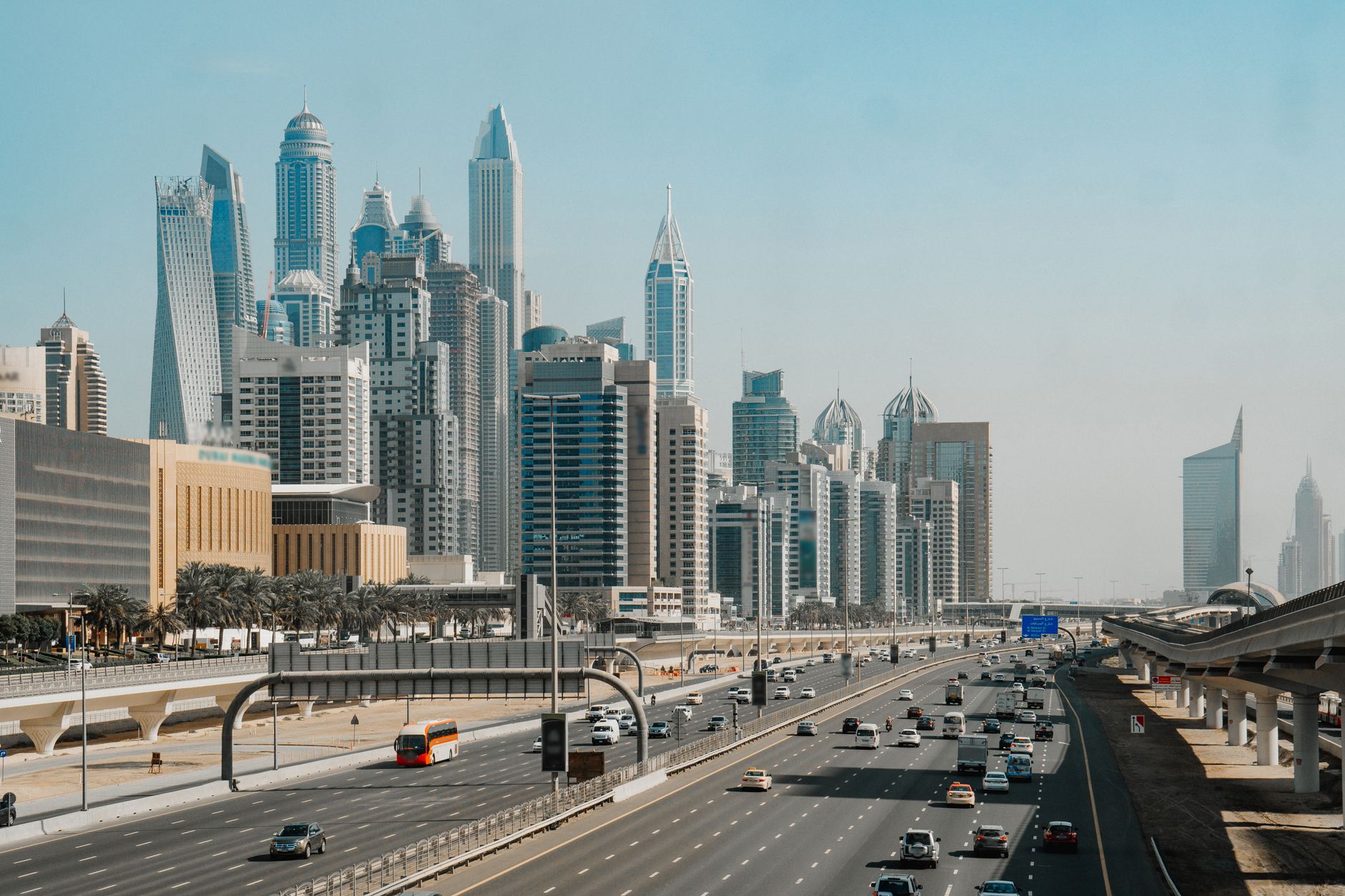
Dubai continues to be positioned as the Middle East’s dominant commercial and fashion hub, according to a recent analysis by trade publication The Business of Fashion, which argues that the emirate’s economic influence in the region is likely to persist despite ongoing conflicts affecting parts of the wider Middle East. The report underscores a narrative that has become familiar to industry watchers: while political and military instability continues to disrupt several countries in the region, Dubai’s business ecosystem has largely continued to function, drawing brands, retailers and investors seeking a stable base from which to serve Gulf and broader Middle Eastern markets.
The analysis does not point to a single triggering event but instead reflects a broader assessment of how the city has built durable advantages over the past two decades — from its free zones and logistics infrastructure to its reputation as a neutral, business-friendly jurisdiction. For international fashion houses and retail groups, Dubai has increasingly served as the regional headquarters of choice, a role that industry observers say is unlikely to be significantly altered even as conflict continues to affect other parts of the Middle East.
Why the UAE’s Position Matters for Gulf Business and Fashion
For UAE and GCC audiences, the assessment carries direct relevance. Dubai has spent years cultivating an image as the commercial gateway between East and West, hosting flagship stores, regional distribution centres and events such as Dubai Fashion Week that reinforce its role as a meeting point for global brands and Gulf consumers. The city’s malls, luxury retail corridors and hospitality sector have benefited from steady tourist and resident spending, insulating parts of its economy from shocks that have hit other regional markets more directly.
Industry analysts frequently note that Dubai’s appeal to fashion and luxury brands rests on factors distinct from the political situation elsewhere in the Middle East: a stable regulatory environment, tax advantages in designated free zones, direct air connectivity through hubs like Dubai International Airport, and a large expatriate and tourist population with high discretionary spending power. These structural strengths, rather than short-term market sentiment, are typically cited as the basis for expectations that Dubai will retain its position as the region’s primary fashion and retail centre regardless of instability elsewhere.
The broader GCC has also benefited indirectly from this dynamic, with Saudi Arabia, Qatar and other Gulf states increasingly investing in their own retail and entertainment sectors partly in response to Dubai’s success as a template. However, Dubai’s first-mover advantage, established brand relationships and mature logistics networks continue to be viewed as difficult for regional rivals to replicate in the near term.
The report’s framing — that Dubai’s “reign” will outlast conflict elsewhere in the Middle East — reflects a wider pattern observed by trade media covering the region: that commercial resilience in the Gulf is often treated as structurally separate from political volatility in neighbouring countries. For companies weighing regional expansion, this separation has repeatedly been cited as a reason to treat Dubai as a safe operational base, even during periods when other parts of the Middle East face heightened uncertainty.
No specific timeline or resolution to the referenced conflict was detailed in the available reporting, and the analysis stops short of forecasting how prolonged instability elsewhere might eventually affect broader regional trade patterns. What remains consistent across coverage of Dubai’s fashion and retail sector, however, is the emphasis on infrastructure, connectivity and regulatory stability as the pillars underpinning its continued dominance as the Middle East’s principal commercial and fashion capital.