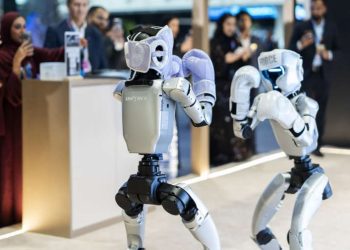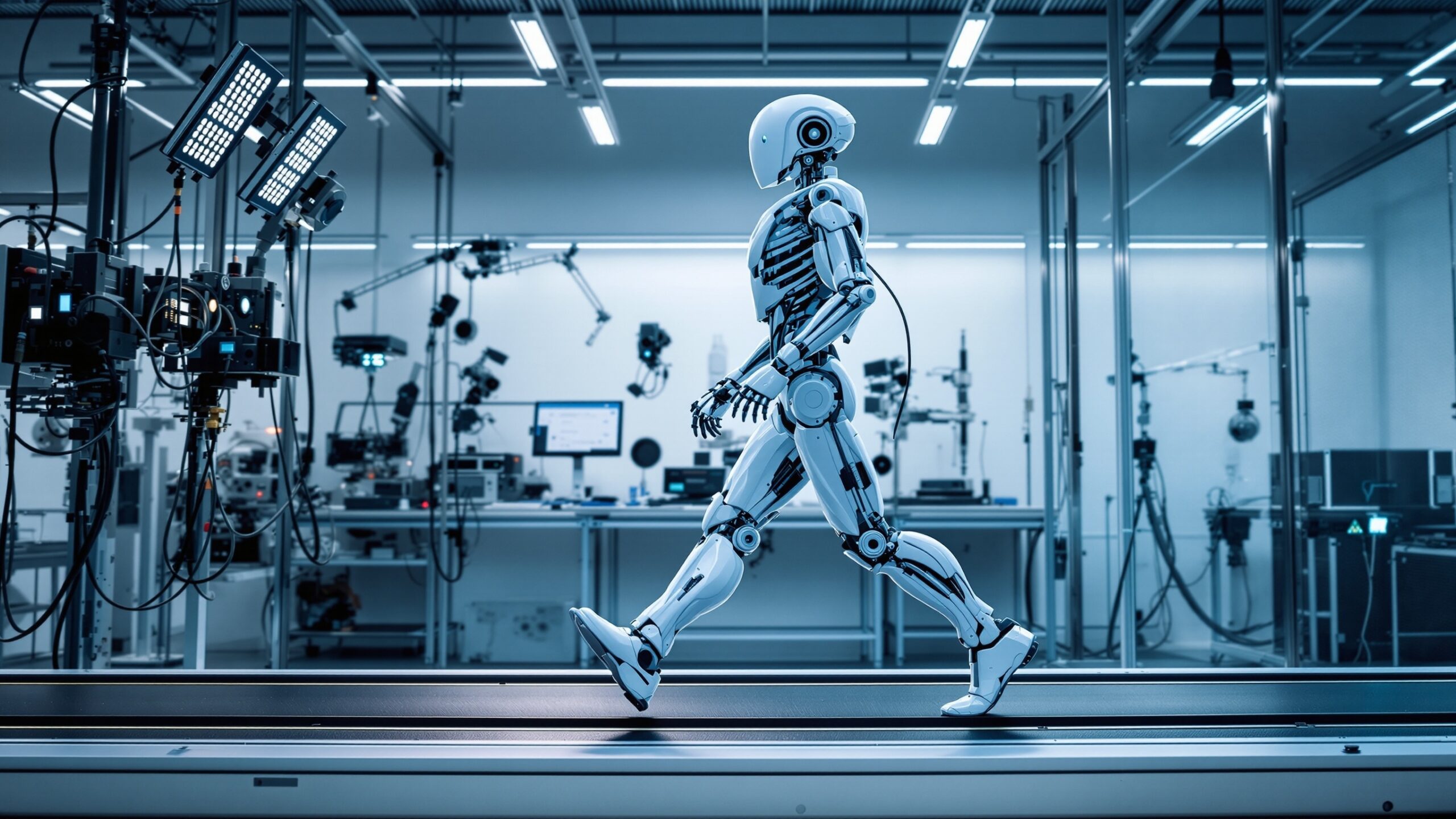
In a warehouse on the outskirts of a major city, a humanoid robot lifts boxes from a conveyor belt and stacks them with quiet precision. Its movements are steady, its posture upright, its design unmistakably human-like. Not far away, in a research lab, another humanoid practices conversation, responding to questions with carefully generated language. These machines, once imagined as distant possibilities, are steadily entering the real world. Their presence raises a question that is both practical and philosophical: do we actually need humanoids?
The question is deceptively simple. At first glance, the answer might seem obvious. If machines can perform tasks more efficiently, safely, or consistently than humans, then their adoption appears justified. But humanoids are not just machines; they are machines designed to resemble us. This distinction matters. It shifts the conversation from pure utility to something more complex—something that touches on human identity, social dynamics, and the purpose of technology itself.
To understand whether humanoids are necessary, it is worth examining why they are being developed in the first place. The most commonly cited reason is compatibility with human environments. The world is built around the human body: doors, stairs, tools, vehicles, and workspaces all assume a certain height, reach, and range of motion. A humanoid robot, with two arms and two legs, can theoretically navigate these environments without requiring extensive redesign. It can use existing tools, climb stairs, and operate machinery designed for humans.
This argument has practical merit. In industries such as logistics, manufacturing, and construction, deploying humanoid robots could reduce the need for costly infrastructure changes. Instead of redesigning entire systems around machines, companies can introduce machines that fit into existing systems. In this sense, humanoids offer a form of technological continuity.
However, practicality alone does not fully justify their development. After all, many tasks can be performed more efficiently by machines that do not resemble humans. A robotic arm on an assembly line, for instance, can outperform a humanoid in speed, precision, and energy efficiency. Similarly, wheeled robots often navigate flat surfaces more effectively than bipedal ones. From a purely engineering perspective, the human form is not always the optimal design.
This raises a critical point: humanoids are not just about efficiency. They are also about interaction. A robot that looks and behaves like a human can communicate in ways that feel natural and intuitive. It can gesture, make eye contact, and respond to social cues. These capabilities are particularly valuable in contexts where human interaction is central, such as healthcare, education, and customer service.
In these settings, the presence of a humanoid can change the nature of the interaction. A patient may feel more comfortable receiving assistance from a robot that can speak calmly and move in familiar ways. A student might engage more readily with a teaching assistant that can adapt its tone and expressions. In such cases, the human-like design is not a novelty; it is a functional feature that enhances usability.
Yet this is also where the debate becomes more complicated. Human interaction is not just about communication; it is about connection. Empathy, understanding, and shared experience are difficult to replicate in machines. While humanoids can simulate these qualities, they do not possess them in the way humans do. This distinction may not always be apparent in short interactions, but it becomes more significant over time.
Consider elder care, one of the most frequently cited applications for humanoid robots. As populations age and healthcare systems face increasing strain, the idea of robotic caregivers is gaining traction. Humanoids could assist with daily tasks, monitor health conditions, and provide companionship. On the surface, this seems like a practical solution to a pressing problem.
But the question remains: is simulated companionship enough? For some individuals, a humanoid robot may provide comfort and reduce feelings of loneliness. For others, it may serve as a reminder of the absence of human connection. The effectiveness of such systems will depend not only on their technical capabilities, but also on how they are integrated into broader care frameworks.
This highlights a broader issue: the risk of using humanoids as substitutes rather than supplements. Technology is often most effective when it augments human capabilities, rather than replacing them entirely. A humanoid that assists a nurse, for example, can improve efficiency and reduce physical strain, allowing the nurse to focus on patient care. In contrast, a humanoid that replaces human interaction altogether may undermine the very qualities that make care meaningful.
The economic dimension of humanoids cannot be ignored. Labor shortages, rising costs, and the demand for productivity are driving interest in automation across industries. Humanoid robots, with their versatility, are seen as a potential solution. They can perform a range of tasks, from manual labor to basic communication, making them attractive for businesses seeking flexibility.
However, this versatility also raises concerns about job displacement. If humanoids can perform multiple roles, they could replace workers in various sectors simultaneously. While new jobs may emerge in areas such as robot maintenance, programming, and oversight, the transition may not be smooth. Workers displaced by automation may face challenges in acquiring the skills needed for new roles.
The question of necessity, then, is intertwined with questions of equity and distribution. Who benefits from the adoption of humanoids, and who bears the costs? If the primary beneficiaries are corporations seeking efficiency gains, while workers face uncertainty, the case for widespread deployment becomes less clear. Addressing these concerns will require thoughtful policies and a commitment to inclusive growth.
There is also a cultural dimension to consider. Humanoid robots are not just functional tools; they are symbols. They reflect a desire to create machines in our own image, to replicate aspects of ourselves in technology. This desire has deep roots, appearing in myths, literature, and art long before the advent of modern robotics.
But symbolism can cut both ways. For some, humanoids represent progress and innovation. For others, they evoke discomfort or unease—a phenomenon often referred to as the “uncanny valley,” where entities that appear almost human but not quite can provoke a sense of eeriness. Public perception will play a significant role in determining how widely humanoids are accepted.
Ethical considerations add another layer of complexity. As humanoids become more advanced, questions about their design and use become more pressing. Should there be limits on how human-like they can appear? How should they be programmed to interact with vulnerable populations, such as children or the elderly? What safeguards are needed to prevent misuse?
These questions do not have straightforward answers, but they underscore the importance of intentional design. The development of humanoids is not just a technical challenge; it is a societal one. Decisions made by engineers, companies, and policymakers will shape how these machines are perceived and used.
Environmental impact is another factor that is often overlooked. The production and operation of humanoid robots require energy and resources, including rare materials. As their use expands, so too will their environmental footprint. Evaluating their necessity must therefore include an assessment of their sustainability.
So, do we need humanoids? The answer depends on how the question is framed. If the question is whether society can function without humanoid robots, the answer is clearly yes. Many tasks can be performed by other types of machines, and many challenges can be addressed through alternative means.
But if the question is whether humanoids can play a valuable role in certain contexts, the answer is more nuanced. In environments where human-like interaction enhances usability, or where adaptability across tasks is essential, humanoids may offer unique advantages. Their value lies not in replacing humans, but in complementing them.
Ultimately, the necessity of humanoids is not a fixed truth; it is a choice. It reflects decisions about how technology is developed, deployed, and integrated into society. It involves weighing benefits against risks, efficiency against empathy, and innovation against responsibility.
The conversation about humanoids is, at its core, a conversation about priorities. What problems are we trying to solve? What values do we want to uphold? And what kind of future are we aiming to build?
Humanoid robots may not be essential in the strictest sense, but they are significant. They represent a direction in technological development—one that emphasizes interaction, adaptability, and human-like design. Whether that direction is the right one will depend on how carefully it is pursued.
In the end, the question is not just whether we need humanoids, but whether we are prepared for what they bring. Their presence will challenge assumptions, reshape industries, and influence how humans relate to machines—and to each other. Navigating this transition will require more than technical expertise; it will require thoughtful consideration of what it means to live and work alongside machines that look, move, and, in some ways, act like us.