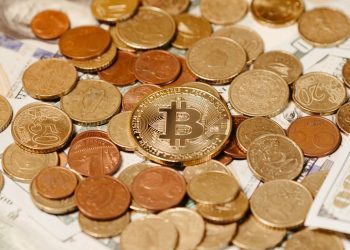
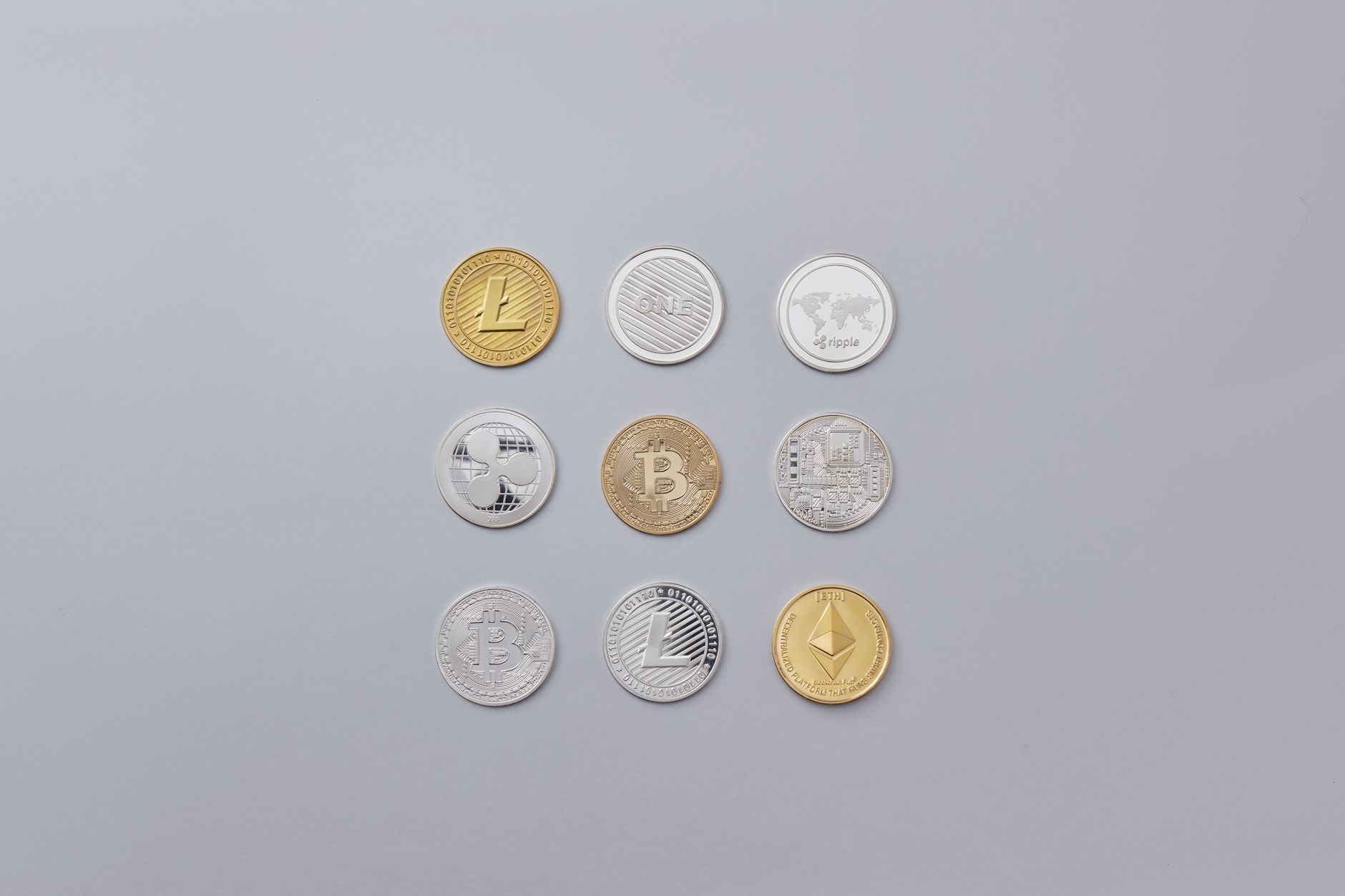
A recurring question in digital-asset circles has returned to the spotlight: which major cryptocurrency stands the best chance of multiplying tenfold in value by the end of the decade. The discussion, reignited by a widely shared Yahoo Finance piece titled Which Cryptocurrency Is Most Likely to 10x by 2030: Bitcoin, Ethereum, XRP, or Solana? – Yahoo Finance, centers on four of the most closely watched tokens in the market: Bitcoin, Ethereum, XRP and Solana.
The framing of the question itself reflects how differently each of these assets is perceived by investors. Bitcoin is typically viewed as the most established and liquid cryptocurrency, often compared to a digital store of value, which also means its sheer market size makes dramatic multiples harder to achieve than for smaller tokens. Ethereum, by contrast, is frequently discussed in terms of its role underpinning decentralized applications and smart contracts, a utility case that supporters argue could drive sustained demand over time. XRP remains tied to conversations about cross-border payments and its use by financial institutions, while Solana has built a reputation around faster transaction speeds and lower fees, attracting developers building decentralized finance and consumer applications.
None of these characteristics guarantees future performance, and no verified price targets, growth models or named analyst projections have been independently confirmed in connection with the 10x framing. Cryptocurrency valuations remain highly volatile and subject to regulatory shifts, technological developments, and broader macroeconomic conditions, all of which can alter trajectories quickly and unpredictably.
Why the Question Resonates With Gulf Investors
The debate carries particular relevance for audiences across the UAE and wider Gulf region, where interest in digital assets has grown steadily alongside the development of formal regulatory frameworks. The UAE has positioned itself as a hub for crypto and blockchain activity, with free zones and licensing regimes in jurisdictions such as Dubai and Abu Dhabi aimed at attracting exchanges, custodians and blockchain-focused firms. That infrastructure has coincided with rising retail and institutional curiosity about major tokens, including the four named in the Yahoo Finance headline.
For UAE residents and expatriates who hold or are considering crypto exposure, speculative long-term projections of this kind are best treated as a starting point for further research rather than investment guidance. Market participants in the region are encouraged to consult licensed financial advisors and review disclosures from regulated platforms before making decisions, particularly given the asset class’s history of sharp price swings in both directions.
The broader conversation also fits into a wider pattern across the crypto sector, where comparisons between established coins and newer, faster-growing networks have become a recurring feature of market commentary. Such comparisons often highlight differing use cases — value storage, decentralized computing, payments infrastructure, and high-throughput transaction networks — but rarely offer definitive answers, given how quickly conditions in digital-asset markets can change.
As of now, no official figures, timelines or expert-attributed forecasts tied to the “10x by 2030” question have been substantiated beyond the headline itself. Investors in the UAE and across the GCC are likely to see similar debates resurface periodically as the region’s regulatory environment matures and crypto adoption continues to expand, underscoring the importance of distinguishing between market speculation and verified analysis when evaluating any digital asset’s long-term potential.