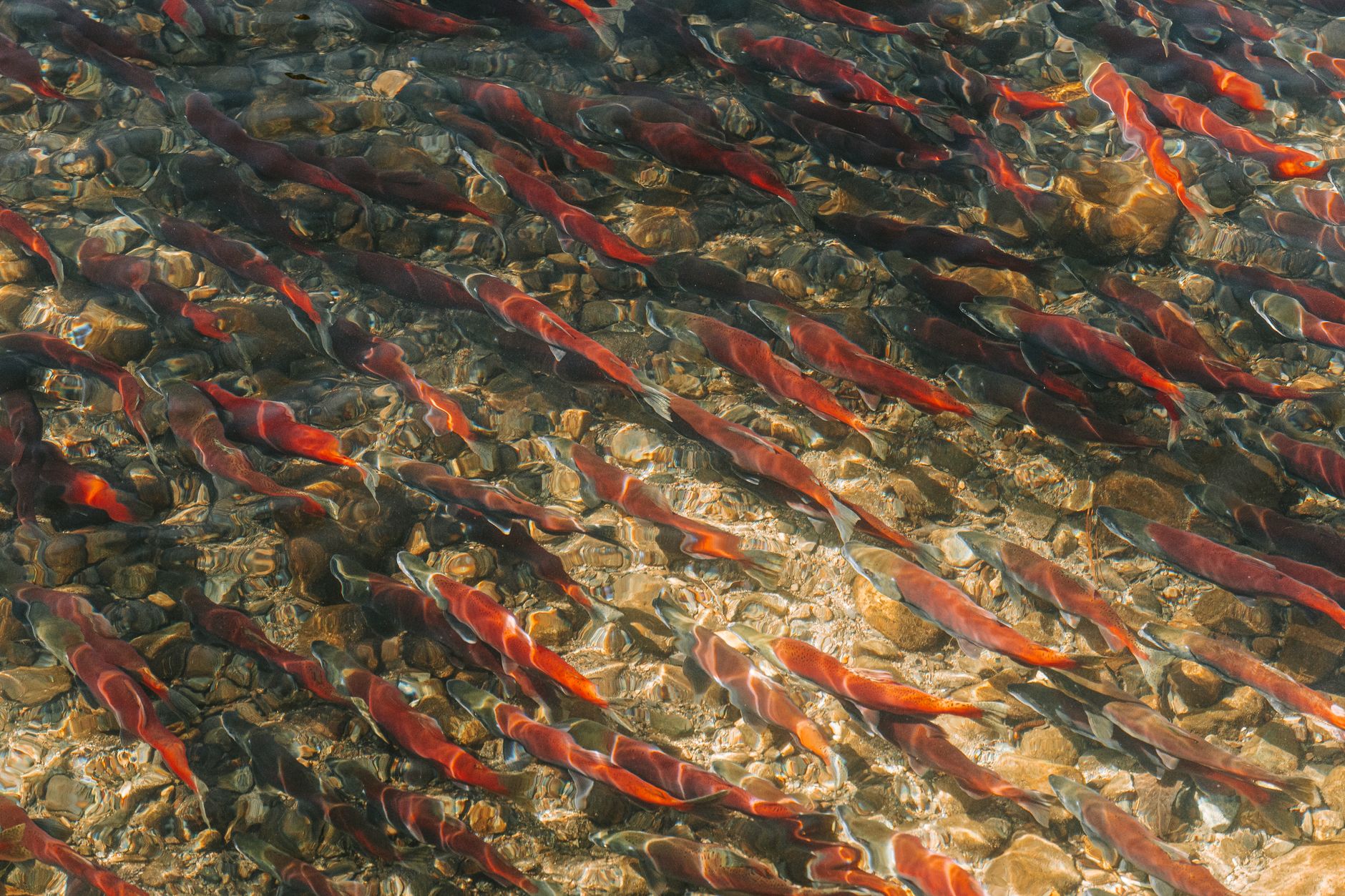
An 18-foot dam that blocked salmon migration in California for seven decades has been dismantled, allowing the fish to reach spawning grounds that had been cut off since the structure was built. Engineers removed the barrier at Neefus Gulch and restored roughly 1,600 feet of stream channel, reconnecting a stretch of waterway that had remained fragmented for generations. By January 2026, monitors had already recorded eight spawning nests above the site of the former dam, an early but significant sign that the restored habitat is functioning as intended.
The dam’s removal is part of a wider pattern across the western United States, where aging hydroelectric and water-retention structures are increasingly being decommissioned rather than repaired or replaced. Many of these dams were built decades ago for power generation, irrigation or flood control, but have since been reassessed as their ecological costs — particularly to migratory fish populations — have become better understood. Anadromous species such as salmon, which hatch in freshwater, mature in the ocean and return upstream to reproduce, are especially sensitive to such barriers, since even a single blocked crossing point can eliminate access to miles of otherwise suitable habitat. The project was first detailed in a report by the California removed an 18-foot dam after 70 years; salmon returned to spawn upstream by 2026, which documented the timeline from removal to the fish’s return.
A test case for restoration engineering
For environmental engineers and policymakers, the Neefus Gulch project offers something relatively rare in ecosystem restoration: a measurable, time-bound outcome. The appearance of spawning nests within roughly two years of the dam’s removal provides concrete data supporting the theory that river connectivity, once restored, can be recolonized by native species without extensive additional intervention. That kind of evidence is valuable as similar projects are weighed elsewhere, since restoration efforts are often costly and their ecological payoff can take years to confirm.
While the project has no direct operational link to the Gulf region, it is being watched by environmental policy observers and aquaculture and fisheries professionals internationally, including those tracking global approaches to water and ecosystem management. The UAE and other GCC states have invested heavily in water security, marine conservation and sustainable infrastructure as part of broader environmental strategies, and case studies like this one add to the global evidence base on balancing built infrastructure with ecological function. As governments and industries worldwide reassess aging infrastructure through a sustainability lens, developments in the broader innovation space — from engineering techniques to habitat monitoring tools — are increasingly shaping how such restoration projects are designed, funded and evaluated.