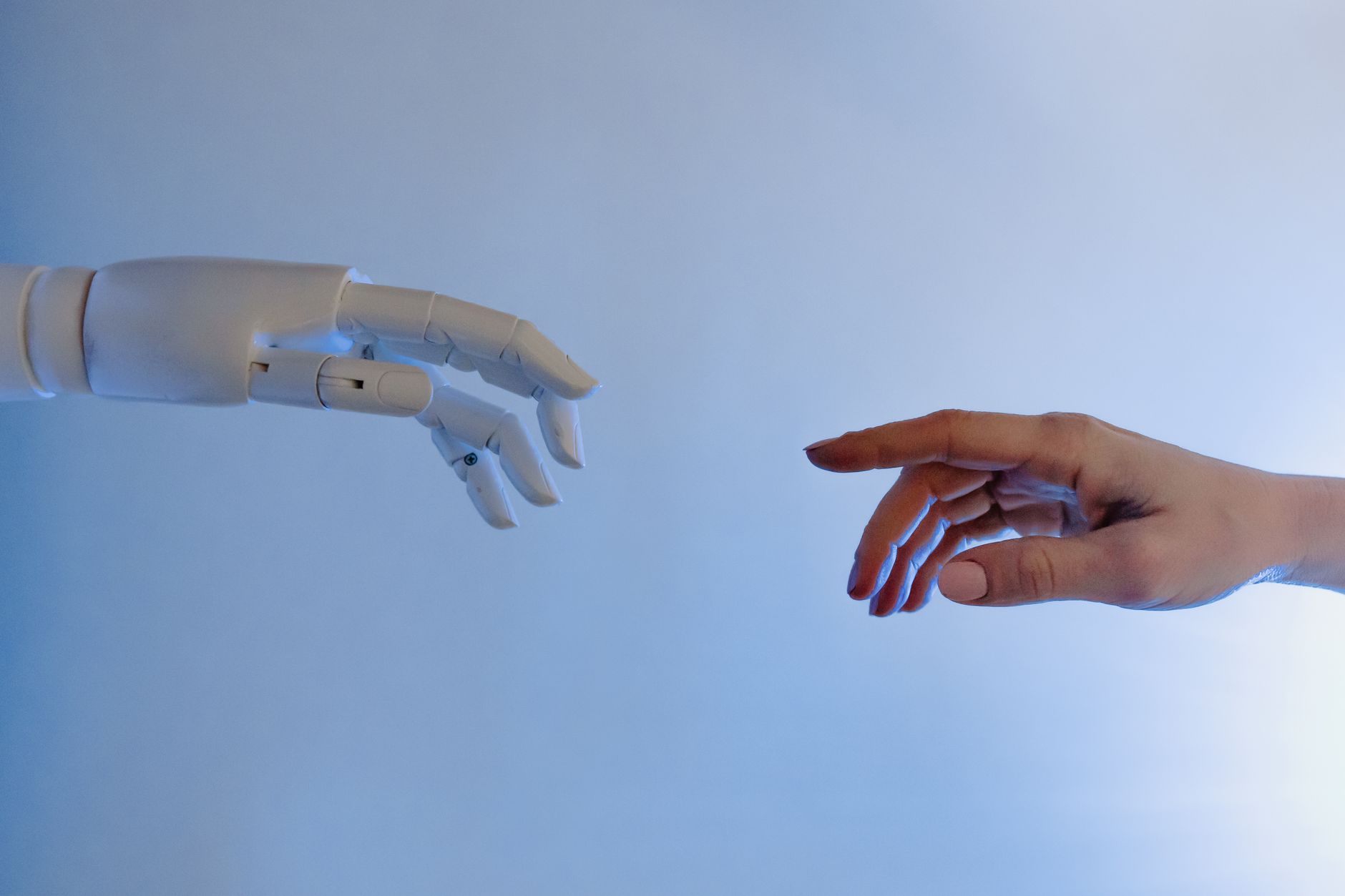
As artificial intelligence tools become embedded across industries, evidence increasingly points to workplace transformation rather than mass job elimination, according to workforce analysts tracking AI adoption trends. The shift is prompting employers worldwide, including those across the Gulf, to reconsider how human labour and machine intelligence will coexist in the years ahead.
Rather than replacing workers outright, AI systems are altering the composition of daily tasks, automating routine, data-intensive functions while leaving judgment-heavy, relational, and creative work anchored to human employees. Roles in customer negotiation, complex problem-solving, and strategic decision-making are proving resistant to automation, reinforcing the view that the technology functions best as an augmentation tool rather than a substitute for human capability.
This distinction is driving a reassessment of what skills carry the most value in an AI-integrated economy. Communication, emotional intelligence, and critical thinking are increasingly cited as premium capabilities, precisely because they are difficult for machines to replicate. As technical and repetitive tasks become automated, the comparative advantage shifts toward interpersonal and cognitive skills that underpin collaboration, leadership, and client relationships.
Upskilling Emerges as a Business and Regional Priority
For organizations, the implication is clear: workforce development can no longer be treated as a peripheral concern. Companies that fail to invest in reskilling risk a widening gap between employee capabilities and the demands of AI-augmented roles, potentially resulting in talent shortages and reduced productivity. Analysts note that this gap is unlikely to close on its own, making structured training programs, rather than passive adaptation, a business necessity.
Sector-specific dynamics further complicate the picture. Routine, data-heavy functions in areas such as administrative processing or basic data entry face heightened automation risk, while knowledge-based professions, creative industries, and roles requiring nuanced human judgment remain comparatively insulated. This uneven exposure means that reskilling strategies cannot be uniform across industries but must instead be tailored to the specific ways AI is reshaping each sector.
The implications carry particular weight for Gulf economies, which rely on large, diverse expatriate workforces and are simultaneously pursuing diversification away from oil dependence. As governments across the region push forward with digital transformation agendas and knowledge-economy ambitions, the need for coordinated reskilling initiatives becomes more pressing. Workers in traditional sectors, as well as those entering emerging fields tied to national diversification strategies, will need structured pathways to remain competitive as AI adoption deepens across regional industries.
Beyond training programs, analysts emphasize that organizational culture plays a decisive role in how smoothly AI integration proceeds. Companies that manage change transparently and maintain employee trust tend to see AI positioned as a collaborative tool rather than a threat to job security. Conversely, poorly managed rollouts risk eroding morale and generating resistance among staff, potentially undermining the productivity gains AI is meant to deliver.
Taken together, the emerging picture suggests that the future of work will be defined less by wholesale automation and more by a recalibration of the relationship between human and machine capabilities. For businesses and policymakers alike, including those in the Gulf navigating both economic diversification and rapid technological adoption, the challenge lies in ensuring that workforce strategies evolve at the same pace as the technology itself.