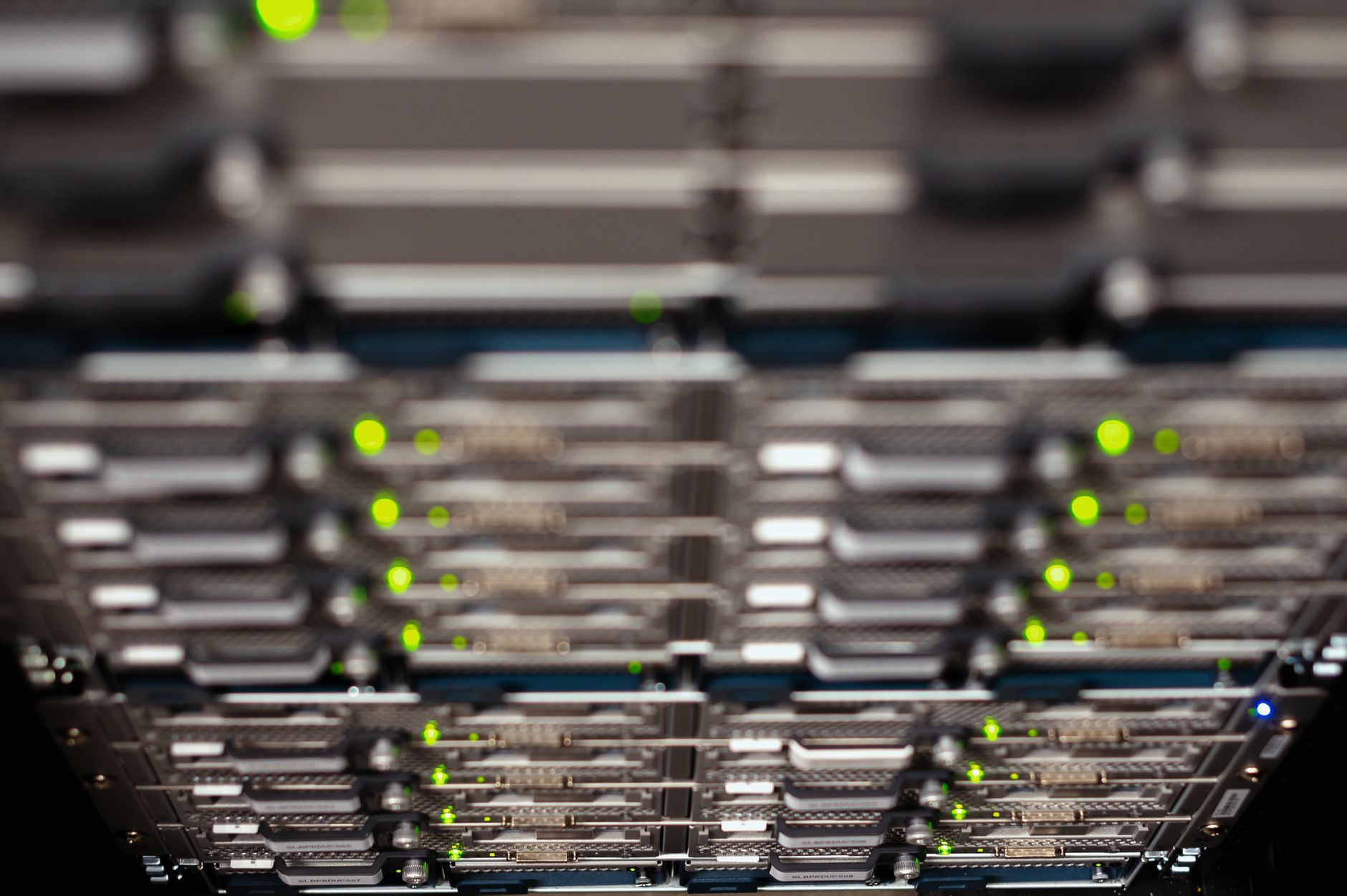
Seagate Technology, one of the world’s largest manufacturers of hard disk drives and data storage systems, has emerged as a beneficiary of the ongoing global buildout of artificial intelligence infrastructure, according to recent market commentary. As hyperscale cloud providers and enterprises race to expand computing capacity for training and running AI models, demand for high-capacity storage hardware has climbed, benefiting established suppliers such as Seagate that produce the drives underpinning large data centers.
The AI boom has reshaped priorities across the technology supply chain. While much of the public attention on AI infrastructure has focused on semiconductors and graphics processing units, the storage layer has become an equally critical component. Training and deploying large AI models requires vast amounts of data to be stored, retrieved and processed continuously, driving operators to expand both the volume and performance of their storage fleets. Analysts tracking the sector have pointed to this dynamic as a tailwind for storage manufacturers, with Seagate positioned to capture a share of that spending given its long-standing presence in enterprise and cloud storage markets.
Even so, questions remain about whether the current wave of demand represents a durable, structural shift or a temporary surge tied to the initial phase of AI infrastructure investment. Storage markets have historically been cyclical, with periods of strong demand followed by inventory corrections as customers digest earlier purchases. Whether the AI-driven upcycle proves different will depend on the pace at which enterprises and cloud operators continue to scale their data infrastructure, as well as on competitive dynamics within the storage industry, including pricing pressure and the rate of technological transition toward higher-capacity drive formats.
Relevance for Gulf Data Centre and AI Ambitions
The trend carries direct relevance for the UAE and wider Gulf region, which has positioned itself as a global hub for artificial intelligence and cloud computing investment. Abu Dhabi and Dubai have both attracted large-scale data centre projects backed by government-linked technology firms and international partners, part of a broader regional push to build sovereign AI capabilities and attract hyperscale cloud infrastructure. These facilities depend heavily on enterprise-grade storage hardware to manage the enormous datasets required for AI training and inference workloads.
As Gulf governments and private investors continue to commit capital toward AI data centres, semiconductor partnerships and cloud infrastructure, the performance of global storage suppliers such as Seagate has a bearing on the cost and availability of the hardware underpinning these projects. Regional operators building out AI capacity are, in effect, part of the same global demand pool driving growth for storage manufacturers, making developments in the storage supply chain a relevant consideration for GCC technology planners and investors tracking the region’s AI infrastructure buildout.
For Gulf-based sovereign wealth funds and technology investors that have taken stakes in AI and semiconductor-adjacent companies in recent years, the storage sector’s trajectory offers another lens through which to assess the durability of the broader AI infrastructure investment cycle. Should demand for high-capacity drives continue to expand alongside data centre construction in the region, storage suppliers are likely to remain a closely watched segment within the technology hardware ecosystem supporting AI deployment across the UAE and neighbouring markets.
Overall, while specific financial results and forward guidance for Seagate were not detailed in available reporting, the broader narrative underscores how the AI boom is rippling beyond chipmakers to reshape demand across the data infrastructure supply chain, a dynamic with tangible implications for regions like the Gulf that are investing heavily in becoming AI computing hubs.