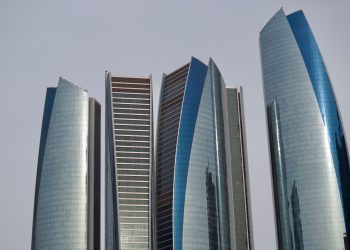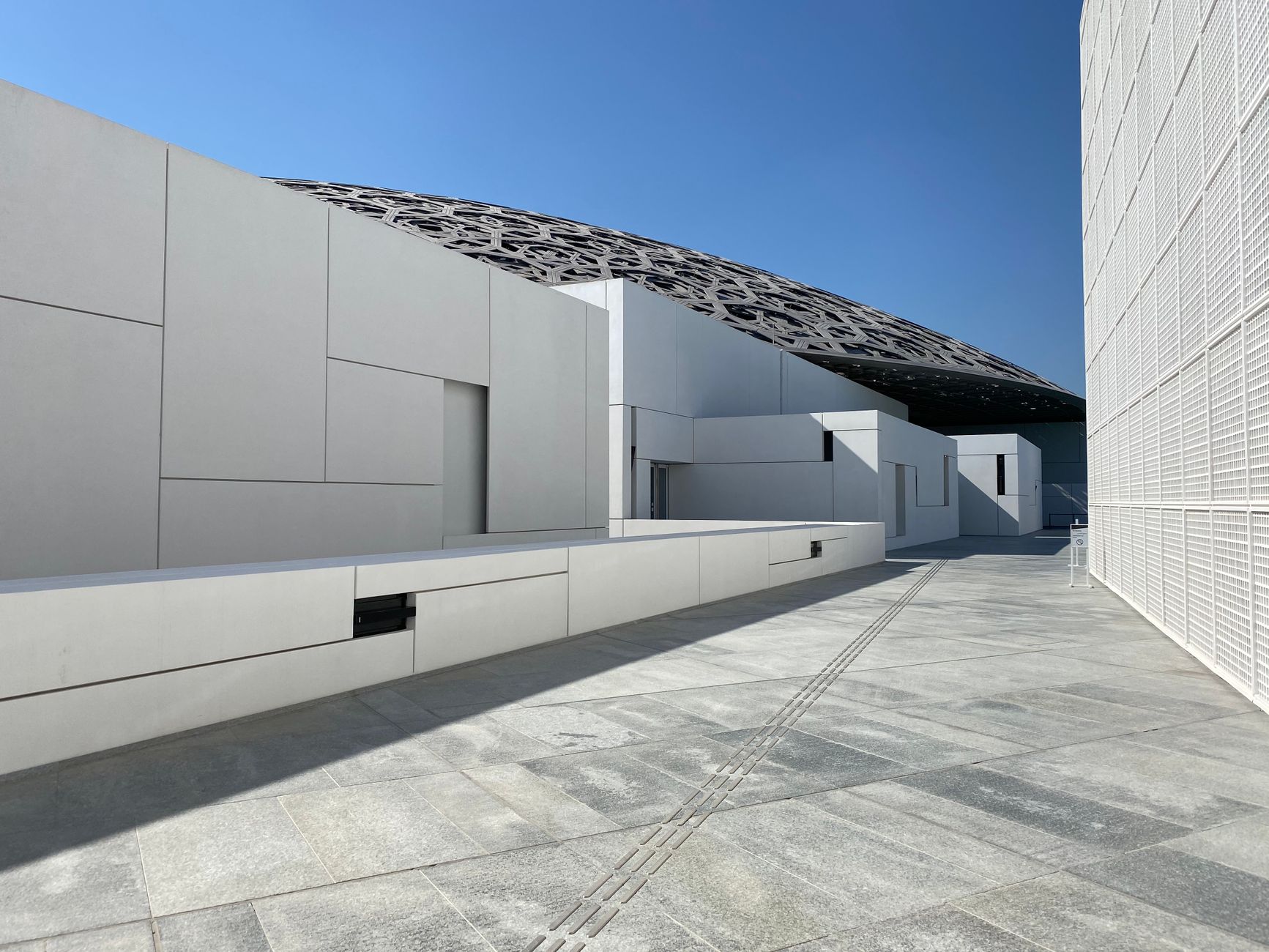
Abu Dhabi is continuing to channel significant capital into large-scale cultural development, part of a long-running strategy to position the emirate as a global hub for museums, arts institutions and architecturally significant public buildings. The initiative brings together some of the world’s most prominent architectural firms, whose work is expected to reshape the emirate’s skyline and cultural landscape in the coming years.
The push forms part of a broader effort by Abu Dhabi to diversify its economy away from oil revenues and toward tourism, culture and knowledge-based industries. Cultural infrastructure has increasingly been treated as a strategic asset by Gulf governments, both as a driver of tourism spending and as a tool for soft power and international visibility.
While specific budget figures, project timelines and the full roster of firms involved have not been detailed, the scale of ambition signals a continuation of a pattern seen over the past two decades, in which Abu Dhabi has invited internationally renowned architects to design landmark cultural institutions on its Saadiyat Island cultural district and elsewhere in the emirate.
Regional Stakes for the GCC
For the UAE and wider Gulf Cooperation Council, the investment carries implications beyond architecture. Cultural megaprojects have become a competitive arena among Gulf states, with Abu Dhabi, Dubai, Doha and Riyadh each pursuing high-profile museum and arts developments as part of national visions to attract tourists, cultural tourism spending and international prestige.
Abu Dhabi’s approach has typically combined public investment with partnerships involving global museum brands and architectural practices, a model that has previously drawn attention from real estate developers, construction firms and hospitality investors across the region who benefit from the ancillary economic activity such projects generate, including hotel demand, retail development and infrastructure upgrades.
Analysts who track Gulf real estate markets note that large cultural developments often serve as anchors for wider urban master plans, driving up land values in surrounding districts and encouraging further private investment in residential and commercial property. For Abu Dhabi, continued investment in flagship cultural architecture is likely to reinforce its positioning alongside Dubai as a dual hub within the UAE — one centered on commerce and logistics, the other increasingly built around culture, heritage and tourism.
The scale of the reported commitment underscores how seriously Gulf governments continue to treat cultural infrastructure as a long-term economic asset, even amid fluctuating global construction costs and shifting investor sentiment in the broader real estate sector. As details of specific projects, architects and completion timelines emerge, the initiative is expected to draw further scrutiny from regional developers, investors and policymakers watching how Abu Dhabi balances ambitious cultural ambitions with commercial returns.
Further specifics regarding funding sources, individual project designs and delivery schedules are expected to be disclosed as the initiative progresses, with regional real estate and tourism stakeholders likely to monitor developments closely given the potential spillover effects on property markets across Abu Dhabi and the broader UAE.