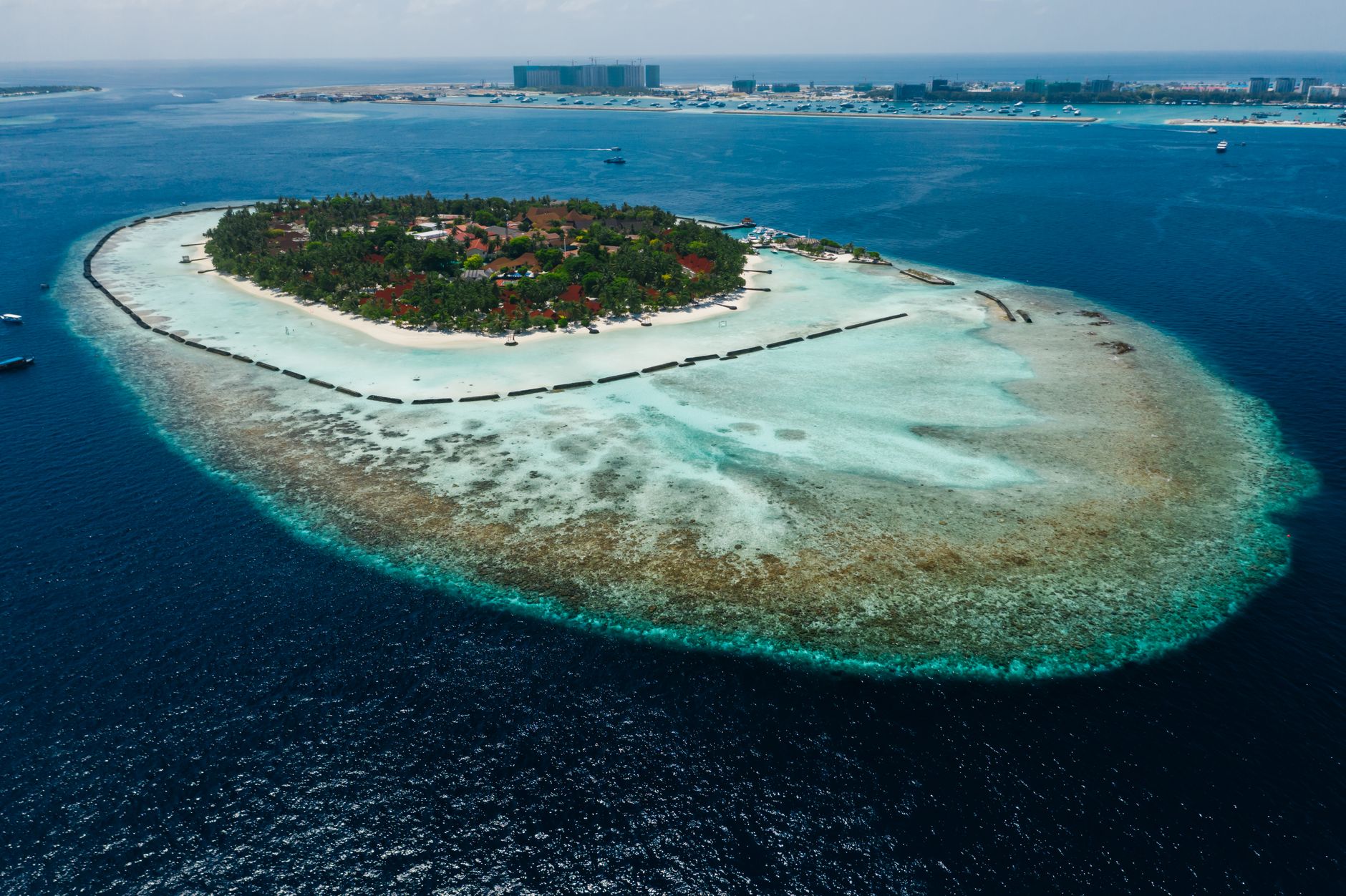
Eagle Hills, the Abu Dhabi-based property developer, has entered the Maldivian market, marking a new stage in the company’s push beyond the Gulf region and into Indian Ocean destinations popular with international investors and tourists. The move was first reported by Abu Dhabi-based Eagle Hills lands in the Maldives – Semafor, which flagged the entry as part of the company’s broader strategy of diversifying its international portfolio beyond its established markets.
Eagle Hills has built a reputation over the past decade for large-scale, mixed-use urban development, with a portfolio that spans residential communities, hospitality assets, retail and waterfront destinations across the Middle East, North Africa and parts of Europe. The developer has typically positioned itself as a partner of choice for governments and sovereign entities seeking to transform underused land or coastal areas into master-planned destinations that combine tourism, residential living and commercial activity.
Strategic Rationale Behind the Move
The Maldives, known globally for its luxury resort industry and high-end tourism appeal, represents a market where demand for branded residences and upscale hospitality product has been rising steadily. For a developer such as Eagle Hills, entry into this archipelago nation offers exposure to a client base that overlaps significantly with the Gulf’s own luxury travel and investment audience, given the strong historical ties between UAE-based investors and Indian Ocean tourism markets.
While specific details of the scale, investment size and exact location of Eagle Hills’ Maldivian project have not been disclosed, the entry fits a pattern seen among UAE developers in recent years of looking outward for growth opportunities as domestic markets in Abu Dhabi and Dubai mature and competition intensifies. Sovereign-linked and privately backed developers from the Emirates have increasingly sought footholds in emerging luxury and leisure destinations, leveraging their experience in large-scale urban design and hospitality-driven real estate.
The expansion also underscores a wider trend within the region’s real estate sector, where Gulf-based developers are increasingly exporting their master-planning expertise to overseas markets rather than confining growth to domestic pipelines. This outward-looking approach reflects both the maturity of UAE developers’ capital bases and their ambition to establish globally recognizable brands beyond the Gulf.
For UAE and GCC-based investors, Eagle Hills’ entry into the Maldives may open new avenues for cross-border real estate exposure, particularly for those already active in luxury hospitality and branded residence investments. It also reinforces Abu Dhabi’s positioning as a base for developers with regional and international ambitions, adding to a growing list of emirate-linked companies extending their reach into high-value tourism markets.
Further details on the scope of the Maldives project, including timelines, investment commitments and specific site plans, are expected to emerge as Eagle Hills formalizes its plans in the country. Until then, the announcement stands as an early signal of the developer’s intent to diversify geographically while capitalizing on the enduring appeal of luxury coastal real estate to both regional and global buyers.