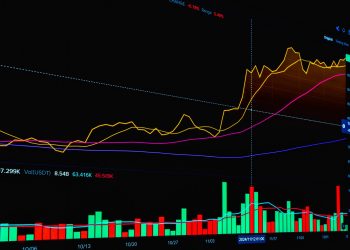

Exchange-traded funds tied to digital assets continue to draw attention from investors seeking exposure to cryptocurrencies without directly holding the underlying tokens. These products, which trade on regulated stock exchanges much like traditional equity or commodity funds, have expanded in number and geographic reach over recent years as institutional and retail demand for regulated crypto investment vehicles has grown. The structure allows investors to gain price exposure to assets such as Bitcoin or Ether through a familiar brokerage account, sidestepping the technical requirements of managing private wallets or navigating crypto exchanges directly.
The concept has gained particular traction as regulators in various jurisdictions have moved to approve spot and futures-based crypto ETFs, a shift that has reshaped how mainstream financial institutions engage with digital assets. Markets in North America and Europe have been at the forefront of this expansion, with additional jurisdictions weighing similar frameworks as they assess investor protection standards alongside market demand.
Relevance for UAE and Gulf Investors
For investors across the UAE and wider Gulf region, the expansion of cryptocurrency ETFs carries practical implications. The UAE has positioned itself as a regional hub for digital asset innovation, with regulatory bodies in Dubai and Abu Dhabi establishing dedicated frameworks for virtual asset service providers and tokenised offerings. As global ETF markets mature, GCC-based investors and financial institutions are increasingly monitoring how such products might eventually intersect with regional listing venues or be accessed through international brokerage platforms already popular among UAE residents.
Financial hubs such as the Dubai International Financial Centre and Abu Dhabi Global Market have both signalled interest in supporting innovative investment products, suggesting that regulatory infrastructure in the region could eventually accommodate similar fund structures should demand and compliance standards align. This positions the UAE as a potential future venue for crypto-linked investment products, even as the current landscape for such ETFs remains concentrated in established Western markets.
The broader crypto sector continues to evolve rapidly, with regulatory clarity in major markets often serving as a bellwether for how emerging financial centres, including those in the Gulf, calibrate their own approaches to digital asset products. Industry observers suggest that as more jurisdictions establish clear rules for cryptocurrency ETFs, the resulting frameworks could inform how GCC regulators structure comparable offerings tailored to regional investors.
The original report on this topic, published under the headline Cryptocurrency ETFs Qué son Dónde existen – Funds Society, outlined the basic structure and rationale behind these investment vehicles as part of ongoing coverage of the sector’s development. As global adoption of regulated crypto funds continues, market participants in the UAE and across the GCC are expected to keep a close watch on how these instruments evolve, particularly as local regulators refine their own digital asset strategies in step with international trends.