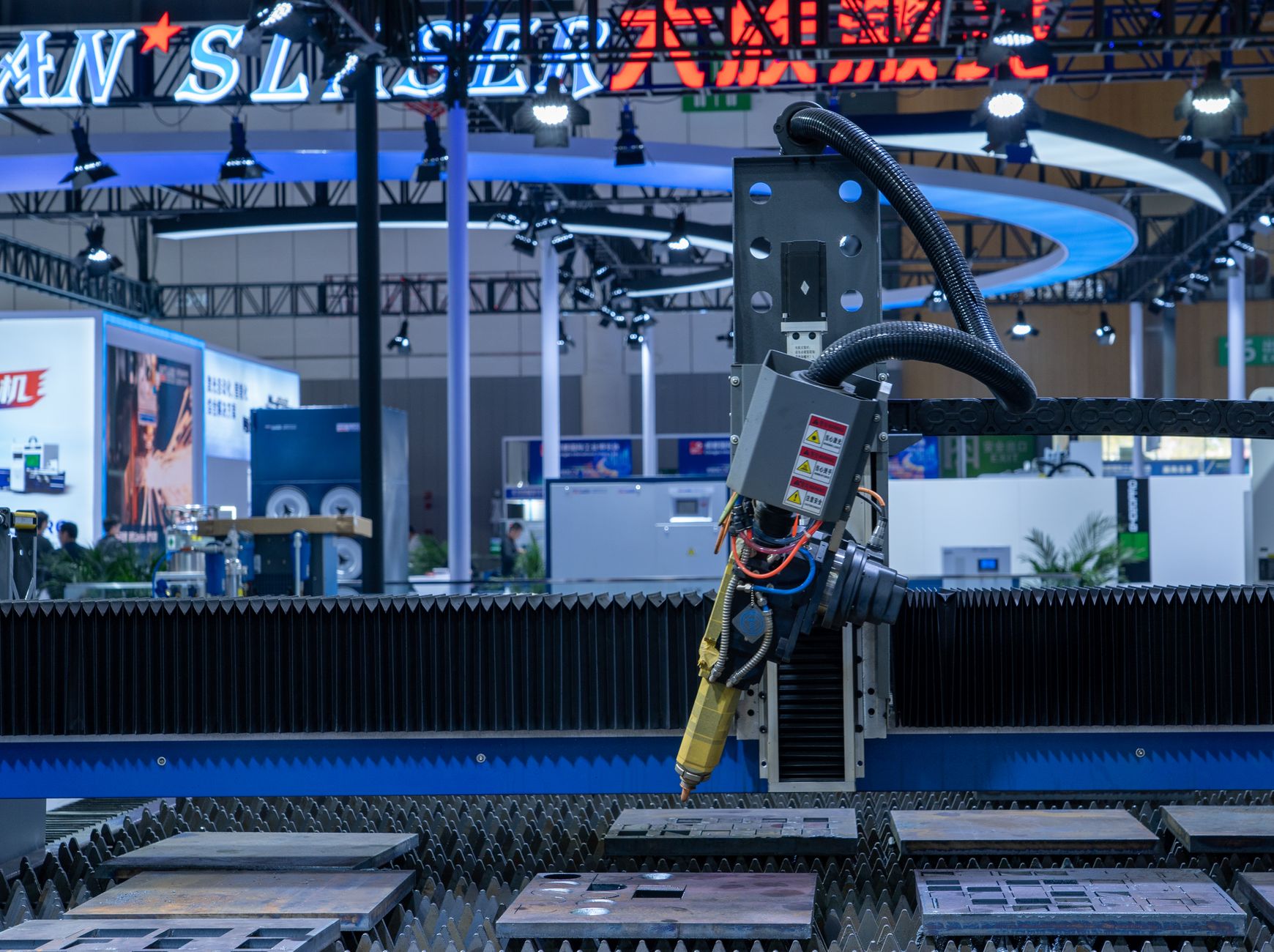
Organisers of Plast Eurasia, the International Istanbul Plastics Industry Fair, are stepping up efforts to attract Middle East buyers ahead of the event’s 35th edition, scheduled for December 2–5, 2026, at the Tüyap Fair and Congress Centre in Istanbul. The fair, which brings together manufacturers, suppliers, distributors and other industry professionals from across the global plastics value chain, has singled out Gulf buyers as a priority audience, reflecting sustained demand from the region for sourcing partnerships and production technology.
The push to draw in Middle East participants was outlined in a report titled Plast Eurasia invites Middle East buyers for its 35th edition, which detailed how the fair is positioning itself as a bridge between European and Middle Eastern markets. Istanbul’s geographic position between the two regions has long made it a convenient meeting point for buyers and sellers who might otherwise have to travel much further afield to compare suppliers or negotiate deals.
Why GCC Manufacturers Are Watching
For plastics manufacturers and importers based in the UAE and wider GCC, the timing and format of Plast Eurasia carry practical significance. The sector in the Gulf has expanded steadily on the back of demand from packaging, construction and consumer goods industries, and companies in these fields regularly look abroad for new machinery, raw materials and processing technologies to keep pace with growth. A trade fair positioned specifically as a gateway between Europe and the Middle East gives regional buyers a concentrated window to evaluate multiple suppliers and technology providers in one location, rather than conducting separate visits across different countries.
The December 2026 dates also fall at a point in the calendar that allows Gulf-based buyers to review market developments and finalise supply arrangements before annual production planning cycles begin the following year. Organisers have framed this scheduling as an advantage for companies looking to lock in contracts with Turkish and international suppliers in time for 2027 output targets, a consideration that matters for manufacturers operating on tight margins and long lead times for imported equipment or materials.
Beyond individual sourcing decisions, the fair’s outreach to Middle East buyers points to a broader pattern in how regional industries are integrating into international trade networks. Plastics production intersects with several pillars of the Gulf’s non-oil economy, and shifts in this sector often mirror wider trends covered in the economy section, including diversification efforts, industrial upgrading and cross-border trade partnerships that UAE and GCC policymakers have prioritised in recent years.
Organisers have not detailed the full list of exhibitors or specific technologies expected to be showcased at the 2026 edition, but the fair’s stated focus includes connecting raw material suppliers with equipment manufacturers, an area of direct relevance to GCC companies weighing upgrades to existing production lines. Industry participants in the UAE and neighbouring countries who deal in packaging, construction materials or consumer plastics are considered a natural buyer base for an event structured around cross-border sourcing and technology partnerships.
With more than a year remaining before the fair opens, further details on participation numbers, exhibitor lists and specific programming are expected to emerge closer to the December 2026 dates. For now, the organisers’ direct appeal to Middle East buyers underscores the extent to which Gulf demand has become a factor in shaping international trade fair strategy within the plastics industry.