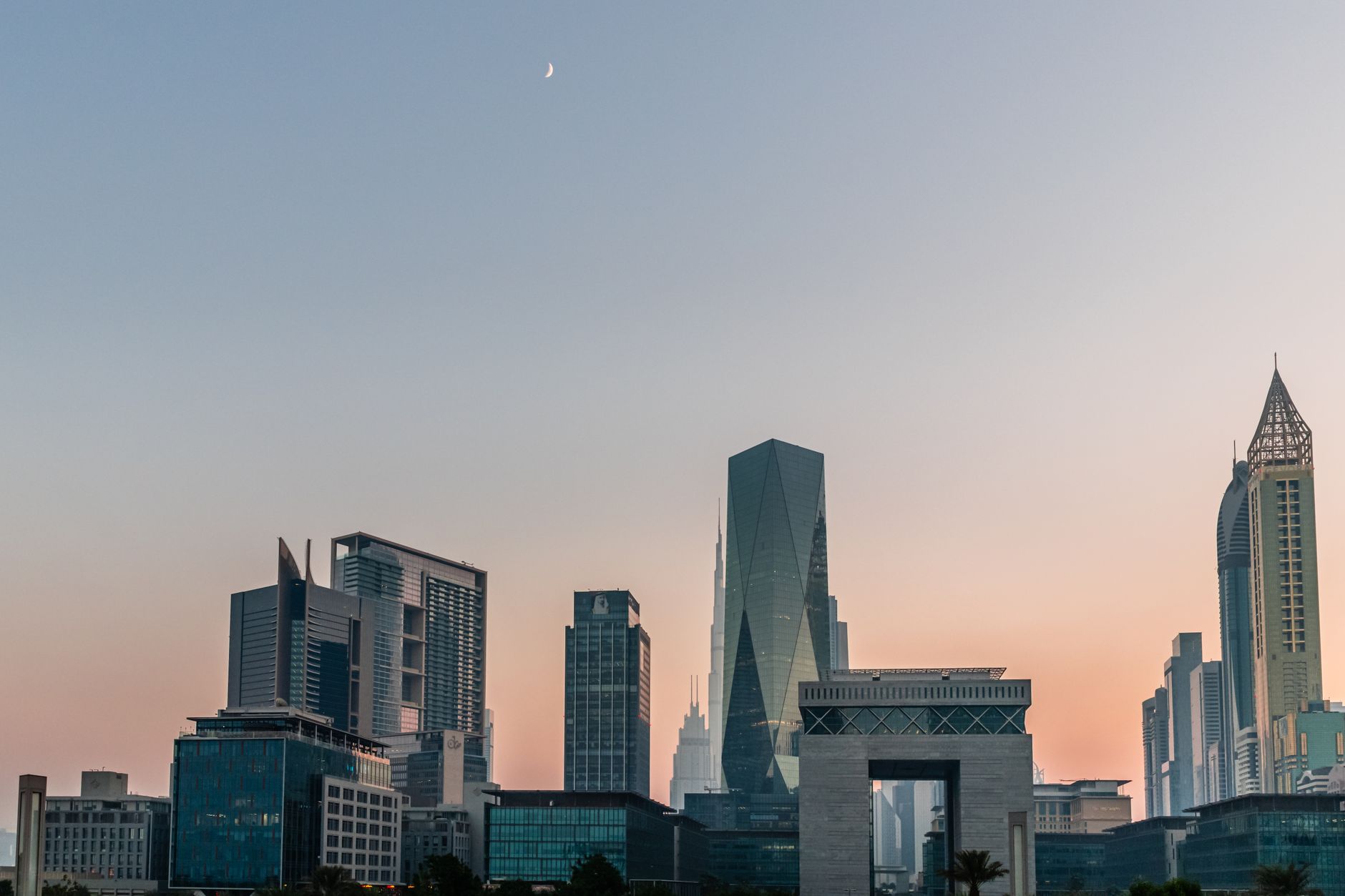
Investors across the UAE and wider Gulf region continue to monitor shifting capital flows as sovereign wealth funds, private equity firms and institutional investors reassess allocation strategies amid global economic uncertainty. The Gulf Cooperation Council states, long positioned as hubs for cross-border capital deployment, remain focal points for asset managers seeking diversification away from traditional Western markets.
The UAE, in particular, has cultivated a reputation as a gateway for both inbound and outbound investment, with Abu Dhabi and Dubai serving as bases for some of the world’s largest sovereign wealth vehicles. These funds have historically directed capital into sectors ranging from technology and infrastructure to renewable energy and real estate, reflecting broader efforts by Gulf economies to diversify beyond hydrocarbon revenues.
Diversification Efforts Shape Capital Allocation
Analysts tracking the region note that ongoing economic diversification programs, including the UAE’s own long-term strategic initiatives, continue to influence how capital is allocated domestically and abroad. Government-linked entities have increasingly sought partnerships with international firms across emerging sectors such as artificial intelligence, clean energy, and advanced manufacturing, aligning with broader national visions to reduce dependence on oil-linked revenue streams.
For readers and market participants following the investment sector, these dynamics underscore why the Gulf remains a closely watched region for global capital markets. The interplay between sovereign wealth strategy, private capital, and regulatory reform continues to shape investor sentiment, particularly as UAE-based funds and institutions expand their international footprints while simultaneously courting foreign direct investment into local markets.
Market observers suggest that transparency initiatives, regulatory modernization, and efforts to strengthen financial infrastructure have played a role in enhancing investor confidence across the region. Free zones, financial centers such as the Dubai International Financial Centre and Abu Dhabi Global Market, and streamlined licensing processes have been cited as factors supporting the UAE’s positioning as a preferred destination for both institutional and private investors.
As global markets navigate ongoing volatility driven by interest rate movements, geopolitical developments, and shifting trade relationships, the UAE and its Gulf neighbors are expected to remain active participants in shaping cross-border investment trends. Stakeholders across banking, private equity, and venture capital sectors continue to emphasize the importance of regional stability and forward-looking economic policy in sustaining investor interest.
Further developments regarding specific transactions, fund performance, and sector-level allocations are anticipated to emerge as regional institutions release updated figures and strategic outlooks in the coming reporting periods.