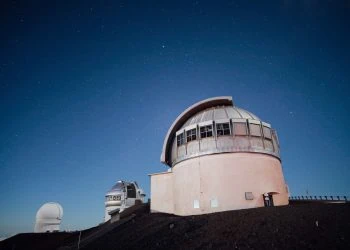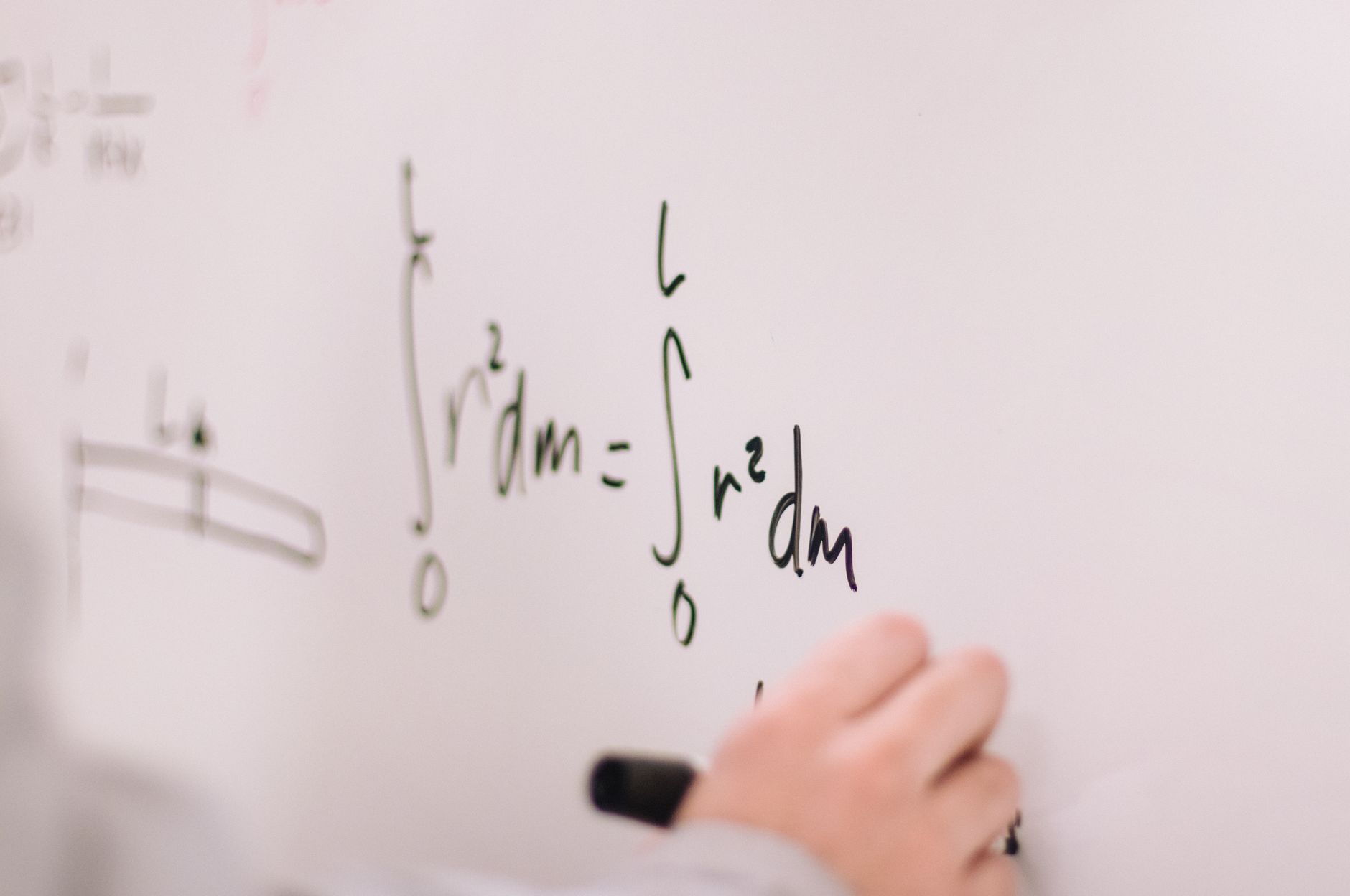
A quote attributed to the 17th-century astronomer and physicist Galileo Galilei has resurfaced as a widely shared “thought of the day,” reminding readers of one of the foundational ideas behind modern scientific inquiry: that the universe can only be understood through the language of mathematics. The remark, often cited in discussions of scientific literacy and the history of physics, holds that the “book of the universe” remains unreadable to those who have not first mastered the symbols and structure of mathematical reasoning.
Galileo, regarded as one of the central figures of the Scientific Revolution, argued that mathematics was not simply a tool for calculation but the essential grammar through which natural phenomena could be interpreted. His conviction that the physical world operates according to measurable, quantifiable laws laid the groundwork for centuries of scientific method, influencing figures from Isaac Newton to modern-day physicists and engineers. The quote continues to circulate in educational and innovation circles as a shorthand for the importance of quantitative thinking in any field seeking to describe or predict natural or technological systems.
Why the Idea Still Resonates in the Gulf’s Innovation Drive
For readers across the UAE and the wider Gulf region, Galileo’s centuries-old observation carries a contemporary resonance. As Gulf economies continue to diversify away from hydrocarbons and invest heavily in science, technology, engineering and mathematics (STEM) education, the underlying message — that literacy in mathematics is a prerequisite for understanding and shaping the world — aligns closely with national strategies built around advanced technology, space exploration and applied research.
The UAE, in particular, has positioned itself as a regional hub for scientific ambition, from its space programme to growing investments in artificial intelligence, data science and advanced manufacturing. Educational institutions across the Emirates and neighbouring Gulf states have increasingly emphasised STEM curricula, coding literacy and applied mathematics training, arguing that a workforce fluent in quantitative reasoning is essential to sustaining innovation-led growth. Galileo’s framing of mathematics as the essential “alphabet” of the universe offers a historical anchor for these modern policy priorities, underscoring that the tools of scientific literacy have long been understood as prerequisites for technological advancement.
Analysts and educators often invoke such historical references to illustrate that today’s emphasis on STEM is not a passing trend but part of a long continuum of scientific thought stretching back to the early modern period. In that sense, the quote serves less as a nostalgic flourish and more as a reminder of the intellectual foundations underpinning current innovation strategies, including those being pursued across the GCC.
While the quote itself does not point to any specific new technology, funding announcement or research breakthrough, its circulation reflects a broader cultural moment in which historical scientific philosophy is being revisited amid rapid technological change. Institutions promoting scientific literacy — including universities, research centres and innovation-focused government bodies in the Gulf — frequently draw on such statements to frame mathematics and empirical reasoning as timeless prerequisites for progress, whether in space exploration, renewable energy engineering or emerging fields like quantum computing and artificial intelligence.
As the region continues to expand its footprint in advanced research and applied science, Galileo’s insistence on mathematical literacy as the key to understanding nature remains a touchstone referenced by educators and policymakers seeking to justify sustained investment in STEM education and scientific infrastructure.