The Kenyatta International Convention Centre in Nairobi opened its doors this week to the fourth edition of the Africa Food Show Kenya, held alongside the first-ever Hotel Expo Kenya, with organisers reporting packed exhibition halls and a steady stream of trade visitors from the opening session. The two shows, staged under a single co-located format, brought together food producers, suppliers and hospitality buyers in one venue, reflecting a growing trend among trade fair organisers to link adjacent supply chains rather than run them as standalone events.
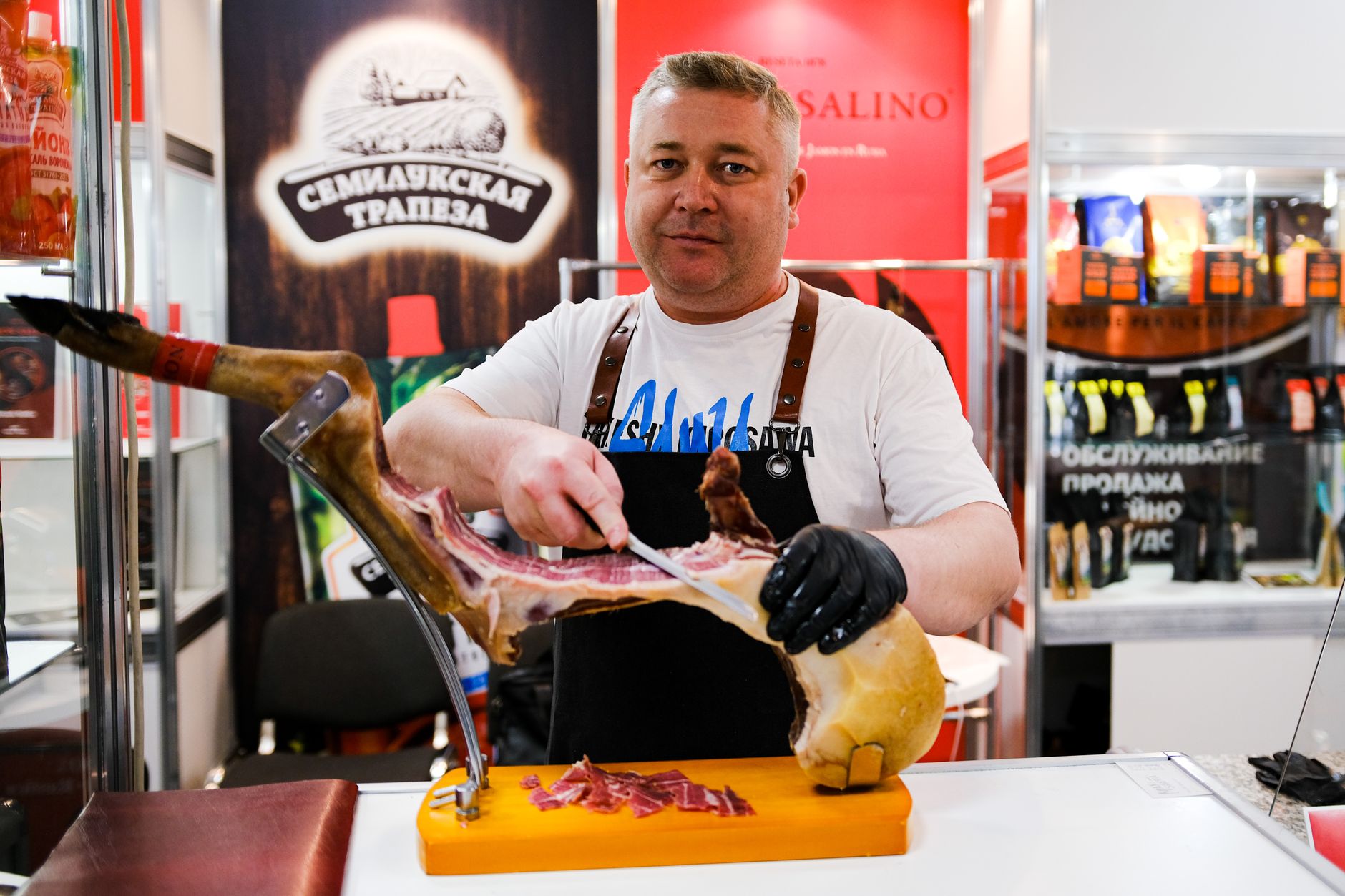
Exhibitors at KICC reported brisk activity on the show floor as attendees moved between stands representing food processing, agricultural inputs, packaging and beverage segments on one side, and hotel equipment, furnishings and hospitality operations suppliers on the other. Registration numbers held firm through the run of the event, a sign that organisers and industry observers point to as evidence of sustained buyer interest in East Africa’s combined food and hospitality trade ecosystem.
Kenya’s positioning as host reflects its established role as an agricultural export hub for the wider East African region, with the country’s food and beverage producers regularly using platforms such as this to connect with regional distributors, retailers and institutional buyers. By bringing the newly launched Hotel Expo Kenya into the same hall, organisers aimed to create direct links between food suppliers and the hospitality operators who represent some of their largest institutional customers, including hotel chains, resorts and catering businesses serving Kenya’s tourism sector.
Linking Food Supply Chains With Hospitality Demand
The pairing of the two shows addresses a practical need in East African markets, where hotels, restaurants and tourism operators rely heavily on efficient, reliable food sourcing to manage costs and maintain service standards. Tourism remains one of the most significant contributors to Kenya’s economy and to those of neighbouring East African states, making procurement efficiency between food producers and hospitality buyers a matter of ongoing commercial interest for both sectors.
By co-locating the events, organisers sought to reduce the friction that typically comes from hospitality buyers and food suppliers attending separate, sector-specific fairs, instead allowing sourcing decisions, supplier negotiations and networking to happen under one roof across a single trade calendar slot. Industry stakeholders view this integrated approach as a template that could be replicated at other regional trade events as food security and hospitality growth remain intertwined priorities across East Africa.
While the available details on this year’s Nairobi editions do not specify direct participation from Gulf-based buyers or exhibitors, the event’s structure carries potential relevance for GCC-based food importers and hospitality sector operators. The UAE and other Gulf states have increasingly diversified their food import sourcing toward African markets in recent years, citing supply chain resilience and cost considerations, while regional hospitality groups continue to expand procurement networks beyond traditional supplier bases in Europe and Asia. Trade platforms such as the Africa Food Show and Hotel Expo Kenya, which connect African producers directly with hospitality demand, may therefore be of interest to Gulf companies looking to establish or expand supplier relationships in East Africa, even though no specific UAE or GCC delegation attendance has been confirmed for this year’s Nairobi editions.
Organisers of the KICC event have not released final attendance figures or a breakdown of exhibitor nationalities, though the strong early turnout and sustained registration levels reported during the show suggest continued industry appetite for combined food and hospitality trade platforms in the East African market.