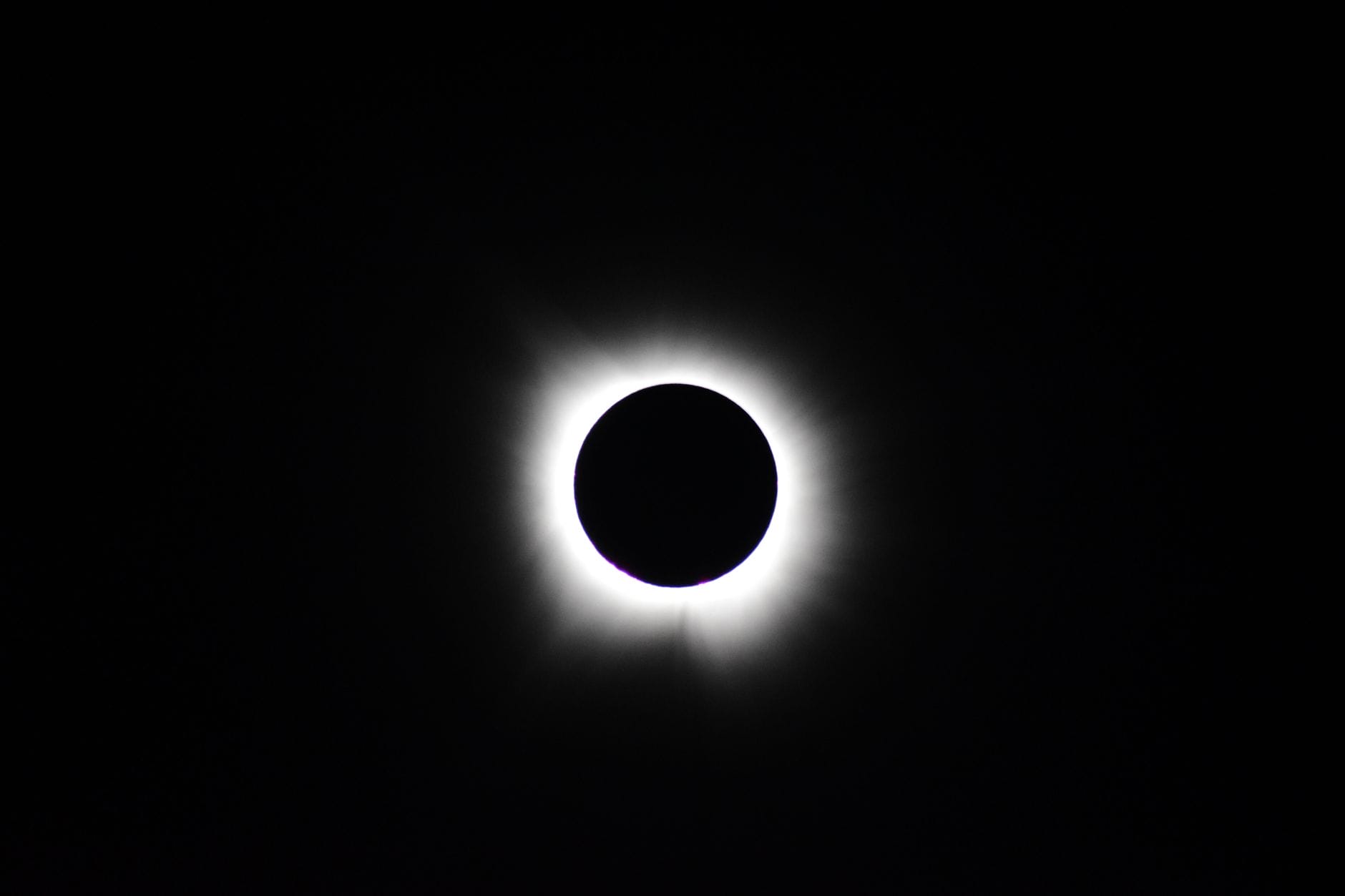
Astronomers and eclipse enthusiasts are already turning their attention to 2027 and 2028, when two total solar eclipses will sweep across parts of the globe, each offering unusually extended periods of totality compared with typical events. While the precise geographic corridors of visibility depend on detailed astronomical calculations tied to each eclipse’s path, both occurrences have been flagged as significant enough to warrant early planning from institutions and individual observers alike.
Total solar eclipses, in which the moon fully obscures the sun as seen from Earth, are only visible along narrow bands of the planet’s surface at any given time. Locations outside that corridor may see a partial eclipse or nothing unusual at all, making the choice of viewing location central to any serious observation effort. The longer-than-average duration expected for the 2027 and 2028 events adds to their appeal, since totality in most eclipses lasts only a few minutes, and any extension of that window is considered valuable both for scientific data collection and for the visual experience of observers on the ground.
Because prime viewing sites tend to draw large numbers of travelers as the date approaches, accommodation, transport and logistical arrangements in eclipse-path regions typically tighten well in advance. Eclipse chasers, tour operators and research groups are being advised to begin scoping potential travel plans now rather than waiting until closer to either date, given how quickly demand for lodging and access near the path of totality can escalate in the lead-up to major solar events.
A Potential Opening for the Gulf
For the UAE and the wider GCC, the two upcoming eclipses present a possible opportunity rather than a guaranteed spectacle, since confirming whether either path of totality crosses the region would require further astronomical mapping. Still, the Gulf’s generally clear, low-humidity skies and its growing network of observatories and astronomy programs position it as a plausible staging ground for eclipse-related tourism and research, whether or not totality itself is visible locally.
Universities and research institutions across the region have increasingly built out solar and space-science programs in recent years, and events of this kind offer a natural platform for both technical observation work and public outreach. Institutions with existing observatory infrastructure could use the run-up to 2027 and 2028 to organize viewing programs, educational campaigns or partial-eclipse observation sessions, even in cases where the region falls outside the zone of full totality.
Eclipse tourism has historically drawn significant traffic to whichever countries or regions fall within a given path, with local economies benefiting from the influx of scientifically minded travelers, hobbyist astronomers and media coverage. Should either the 2027 or 2028 eclipse pass near or through areas accessible from the Gulf, regional travel and hospitality sectors could see comparable interest, though that remains contingent on the eventual published path data for each event.
In the meantime, those hoping to witness either eclipse firsthand are being encouraged to monitor forthcoming astronomical path predictions closely and to begin narrowing down travel options well ahead of time. With two rare, extended-duration total eclipses arriving within consecutive years, officials and enthusiasts alike suggest that early preparation offers the best chance of securing a favorable vantage point once exact visibility corridors are confirmed.