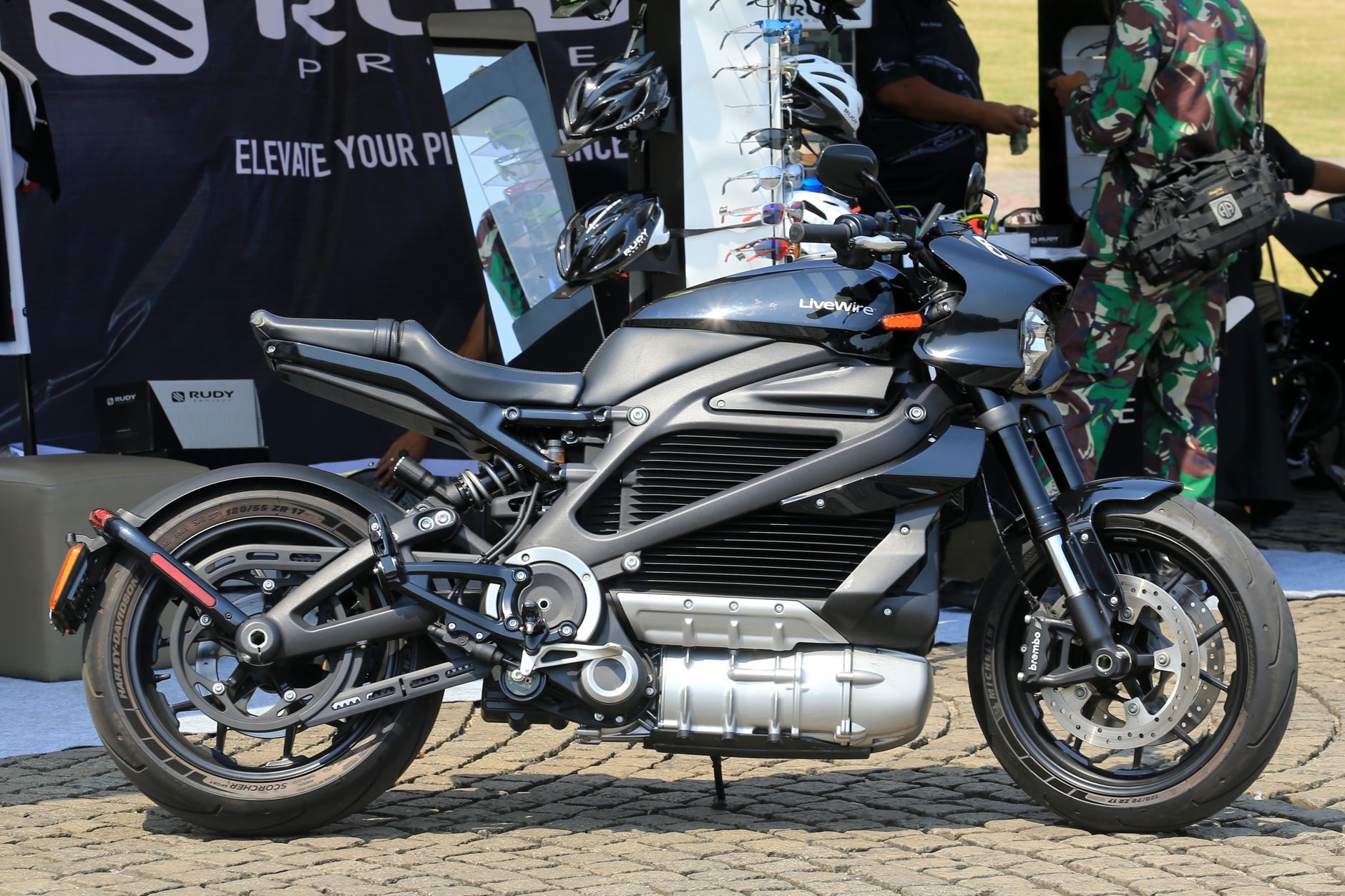
The chief executive of Indian electric motorcycle manufacturer Ultraviolette Automotive has called on India to position itself at the forefront of the global mobility industry, responding to Prime Minister Narendra Modi’s Independence Day address. N. Subramaniam, co-founder and CEO of the Bengaluru-based company, said the country’s expanding technology base gives it a genuine opportunity to compete at the top tier of electric vehicle innovation rather than remain a follower in the sector.
Subramaniam’s remarks came as a reaction to Modi’s speech, in which the prime minister touched on India’s economic and technological trajectory. The Ultraviolette CEO framed the moment as a call to action for domestic manufacturers, arguing that India’s software, engineering and manufacturing capabilities should now translate into a stronger competitive position against established EV hubs in China, Southeast Asia and elsewhere.
Ultraviolette, which designs and builds electric motorcycles, has positioned itself as part of a new generation of Indian companies seeking to compete on performance and technology rather than price alone. The company’s statement reflects a broader mood within India’s EV sector, which has expanded rapidly in recent years on the back of government subsidies, production-linked incentive schemes, and policy support aimed at reducing the country’s dependence on fossil fuel-powered transport.
India’s push aligns with its long-running “Make in India” initiative, which has sought to build domestic manufacturing capacity across multiple industries and position the country as an exporter of technology-driven products rather than solely an importer. Electric mobility has increasingly become a flagship sector within that strategy, with two-wheeler and three-wheeler segments seeing particularly strong adoption due to lower costs and shorter charging cycles compared with passenger cars.
Why the Gulf is watching India’s EV push
The comments carry relevance beyond India’s domestic market, particularly for the GCC region, where governments are simultaneously building out electric vehicle infrastructure and courting manufacturing and technology partnerships. The UAE and Saudi Arabia have both made sustainable mobility a component of their broader economic diversification agendas, investing in charging networks, local assembly capacity, and battery supply chains as part of efforts to reduce reliance on oil revenues over the long term.
As Gulf markets look to diversify their sources of EV technology and manufacturing partnerships, Indian companies such as Ultraviolette represent a potential avenue for collaboration, particularly in categories like electric two-wheelers that are gaining traction in urban Gulf environments as low-cost, low-emission alternatives for last-mile mobility and logistics. India’s cost-competitive manufacturing base and growing engineering talent pool could make it an attractive partner for Gulf entities seeking to accelerate their own EV ecosystems without relying solely on Chinese or Western suppliers.
For GCC policymakers and investors, the developments in India’s EV sector also offer a broader signal about shifting global supply chains in clean mobility. As countries across Asia compete to establish themselves as EV manufacturing and innovation hubs, Gulf nations are positioning themselves as both markets and potential partners, seeking technology transfer agreements and investment opportunities that support their own net-zero and economic diversification targets. Subramaniam’s comments, while directed primarily at an Indian audience, underscore the extent to which national EV ambitions are increasingly framed in explicitly global competitive terms, with implications for how emerging automotive powers and resource-rich Gulf economies engage with one another going forward.