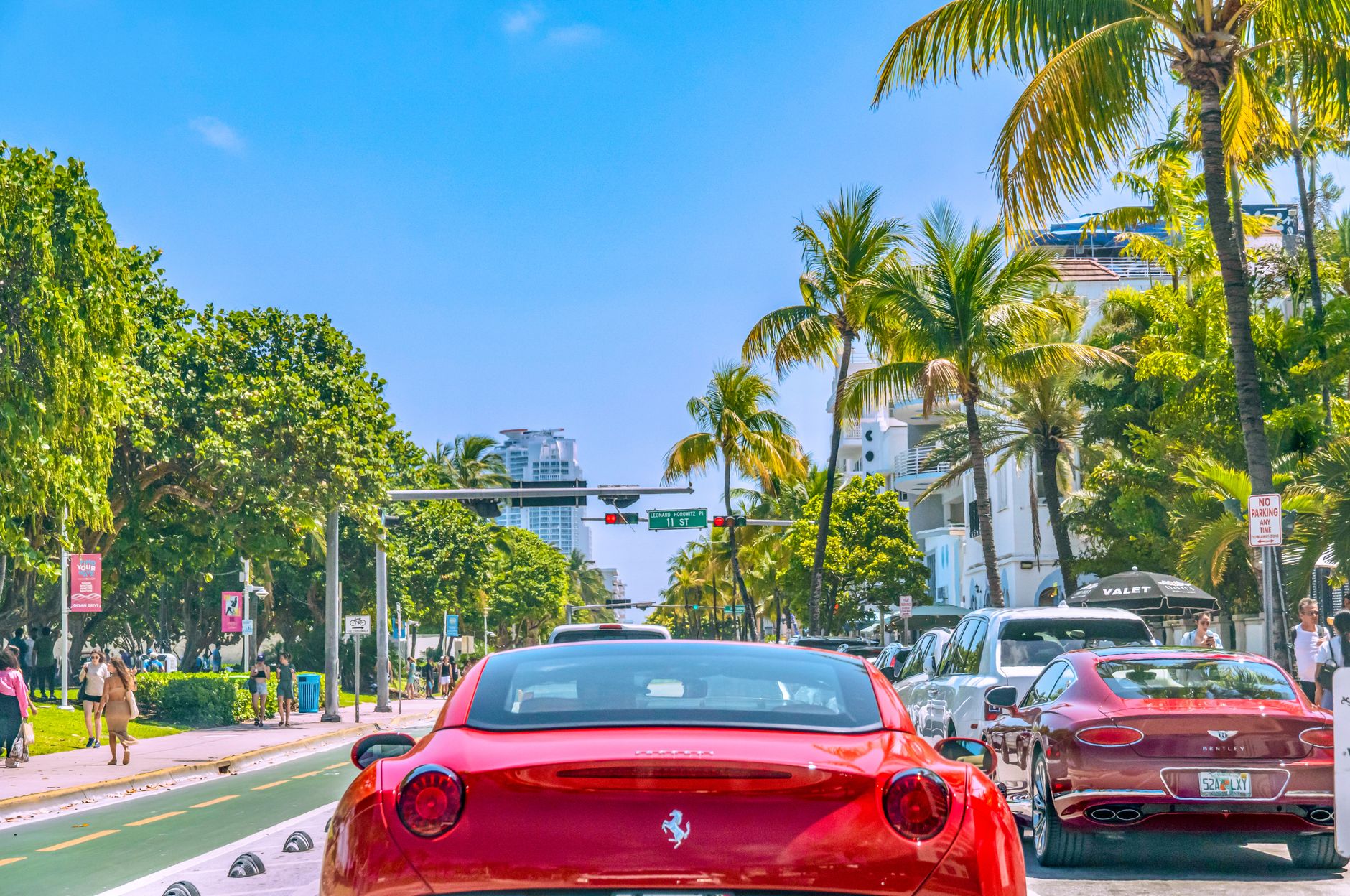
A Dubai-based car rental company has opened its first location in the United States, marking its debut in the Miami market as part of a broader push to expand beyond the UAE. The move brings the firm’s premium vehicle rental services to a city long regarded as a gateway for international business and tourism in the Americas, and signals growing ambition among Gulf-based mobility companies to test their business models overseas.
The company has built its reputation in Dubai’s competitive car rental sector, where it has been recognized as one of the highest-rated providers in the emirate. Dubai’s rental market is known for catering to a mix of residents, business travelers and tourists seeking everything from economy vehicles to luxury and exotic cars, and firms that stand out typically do so through strong customer service, fleet quality and digital booking convenience. It is this reputation that the company appears to be seeking to replicate as it enters a new, highly competitive market.
Why Miami, Why Now
Miami has increasingly become a hub for international investment, tourism and business travel, making it a logical entry point for a Gulf-based company looking to establish a foothold in the U.S. market. The city’s status as a magnet for global visitors, coupled with strong demand for premium and specialty vehicle rentals, mirrors some of the dynamics that have helped rental operators succeed in Dubai. Companies operating in both markets often point to similarities in clientele: affluent travelers, business executives and tourists who prioritize service quality and vehicle selection over price alone.
The expansion also reflects a wider trend of UAE-headquartered businesses looking to internationalize their operations after establishing strong domestic track records. Dubai has positioned itself as a regional and global business hub, and companies that succeed there often use that credibility as a springboard for entry into markets in Europe, Asia and North America. A move into the U.S., and specifically into a high-profile city like Miami, suggests confidence in the company’s ability to compete against established American rental firms and other international entrants already present in the region.
For the UAE and wider GCC business community, the expansion is likely to be viewed as another example of homegrown companies extending their footprint internationally, adding to a growing list of Emirati and Gulf-based brands seeking recognition on the global stage. It also underscores the increasing two-way relationship between the UAE and the United States, as trade, tourism and investment ties between the two countries continue to deepen across multiple sectors, including hospitality, transport and logistics.
While specific details regarding the scale of the Miami operation, its fleet composition and its long-term expansion plans have not been disclosed, the opening itself represents a notable milestone for a company that built its brand within Dubai’s demanding and highly rated service market. Industry observers will likely watch closely to see whether the company plans further U.S. expansion following its Miami launch, and whether its approach to customer service and fleet management translates successfully into a new and different competitive landscape.