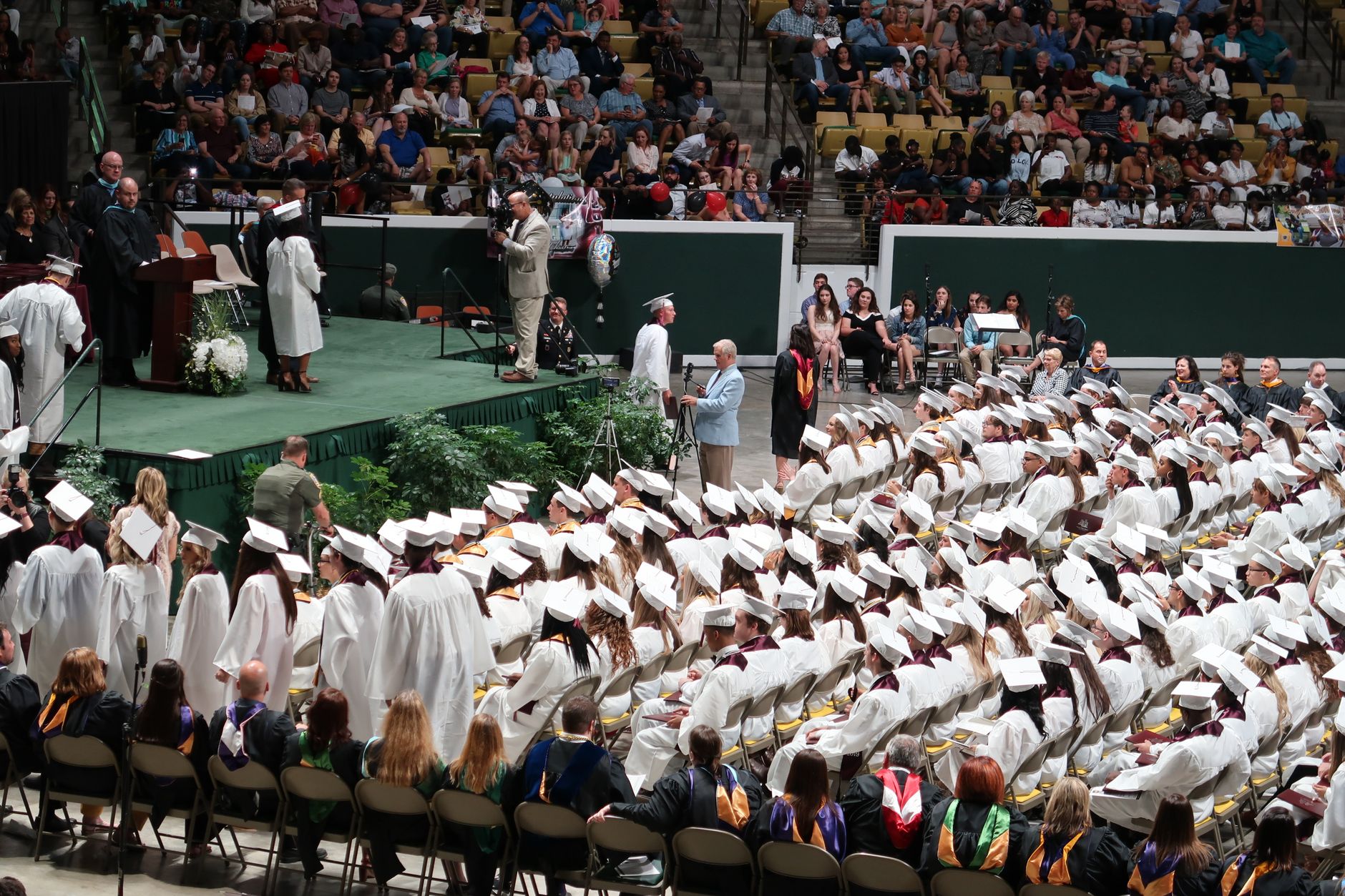
Former U.S. President Bill Clinton delivered a commencement address at the Golisano Institute for Business and Entrepreneurship in Rochester, New York, marking a high-profile appearance at the institution’s graduation ceremony. The visit drew local attention to the institute, which focuses on training students for careers in business and entrepreneurship, as graduates prepared to enter the workforce or launch their own ventures.
Commencement speeches by prominent political and public figures are a longstanding tradition at American universities, often used to offer graduates guidance on leadership, public service, and career decision-making. Clinton’s appearance at the Rochester institute follows a pattern of former officials engaging with business schools to discuss economic policy, entrepreneurship, and civic responsibility, though specific details of his remarks in this instance were not immediately available.
Limited Direct Relevance to Gulf Markets
While the event carries local significance for the Rochester community and the Golisano Institute, it does not carry the kind of direct business, investment, or trade implications that typically resonate with audiences in the UAE and wider Gulf Cooperation Council region. The institute itself is not known to have active partnerships, exchange programs, or investment ties with GCC-based universities, sovereign funds, or corporations that would create a substantive regional angle.
Gulf-based business schools and entrepreneurship hubs, including those in the UAE, have in recent years hosted their own high-profile commencement speakers and international dignitaries as part of efforts to position regional institutions as global education destinations. Dubai and Abu Dhabi in particular have invested heavily in building business education ecosystems, with universities and institutes there frequently drawing on international academic and corporate leadership to enhance their global standing.
Analysts who track higher education and entrepreneurship trends note that events such as commencement addresses, even when hosted abroad, can occasionally offer indirect insight into broader trends in business education, leadership development, and entrepreneurial training that overlap with priorities in the Gulf. However, without direct institutional ties, joint programs, or GCC-based attendees connected to the Rochester ceremony, the event remains primarily a matter of local and national interest within the United States.
For UAE and GCC readers focused on entrepreneurship and business education, the broader takeaway may lie less in the specifics of this particular ceremony and more in the continued global trend of institutions leveraging prominent public figures to elevate their profile and inspire graduating students entering competitive job markets. As Gulf nations continue to expand their own entrepreneurship and business education offerings, comparisons with established Western institutions and their approaches to graduate engagement remain a point of interest for regional educators and policymakers shaping the next generation of business leaders.