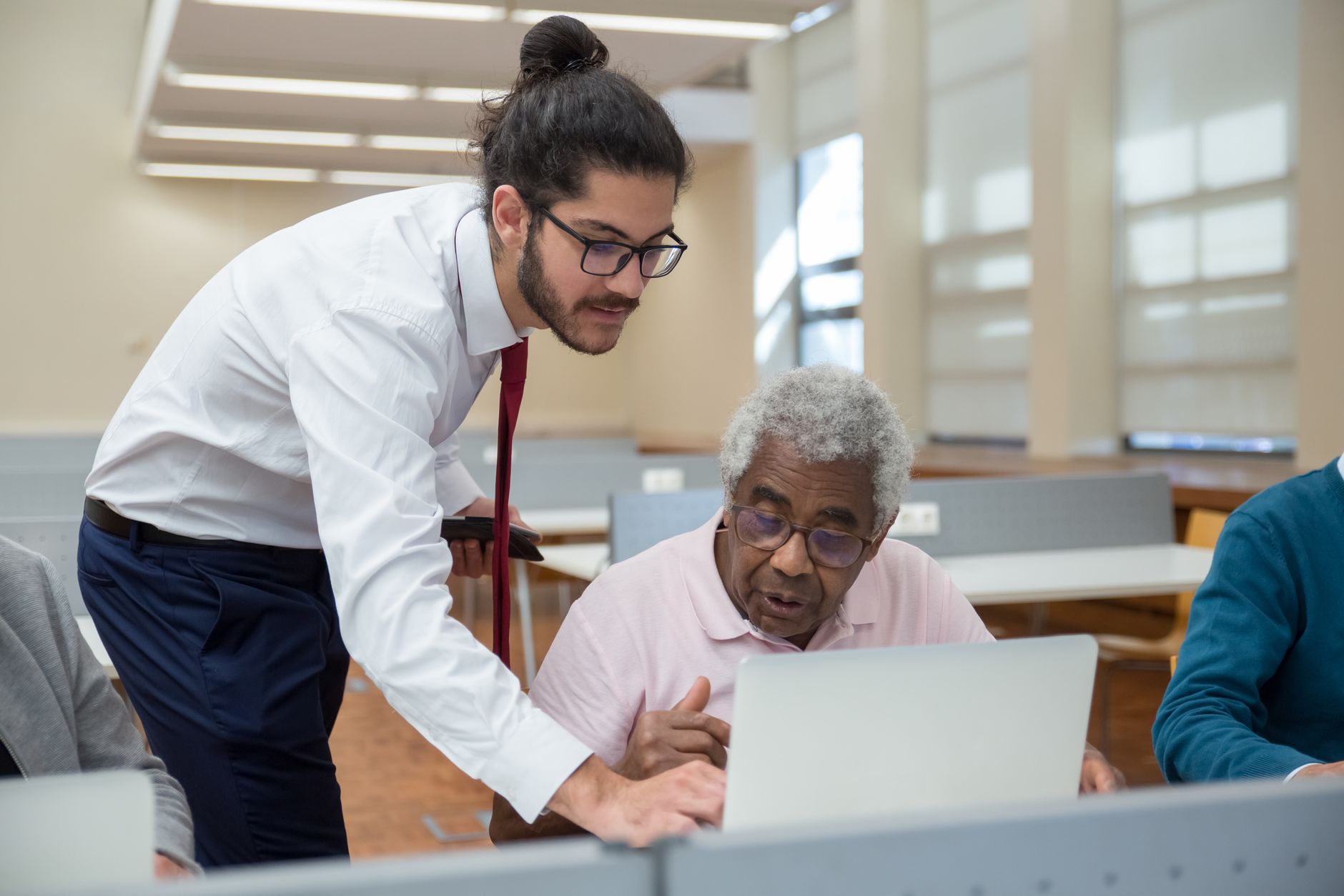
Broome-Tioga BOCES, the regional educational services agency serving school districts across New York’s Southern Tier, has moved to help local teachers adapt to the rapid rise of artificial intelligence tools in classrooms, according to a report from WBNG. The initiative reflects a broader shift among American school systems as educators grapple with how to integrate generative AI into daily instruction while managing concerns over academic honesty and equitable access to new technology.
The agency, which provides shared services such as professional development, special education support and technical training to districts in Broome and Tioga counties, has been positioning itself as a resource for teachers who are encountering AI-powered tools in their schools for the first time. Educators across the region have reported uncertainty about how to respond to student use of chatbots and AI writing assistants, as well as how such tools might be used constructively to support lesson planning and student engagement.
Training Aims to Bridge the Knowledge Gap
BOCES cooperatives like Broome-Tioga typically function as intermediary bodies that pool resources across multiple school districts, allowing smaller or rural districts to access specialized training and expertise they might not be able to afford individually. In the case of artificial intelligence, this has translated into efforts to familiarize teachers with the underlying capabilities and limitations of generative AI systems, as well as strategies for incorporating the technology responsibly into curricula.
Much of the recent push in education technology circles has centered on helping teachers distinguish between appropriate and inappropriate uses of AI tools by students, while also exploring how such systems might assist with tasks like drafting lesson materials, generating practice questions or supporting differentiated instruction for students with varying needs. School districts nationwide have faced similar pressures since generative AI tools became widely accessible, prompting many to reconsider policies on plagiarism, testing and homework in light of how easily such tools can produce written work.
Part of a Wider National Conversation
The developments in the Southern Tier mirror a pattern seen in school systems across the United States, where administrators and teachers unions have called for clearer guidance on AI use amid concerns about both misuse and missed opportunities. Some districts have opted to ban certain AI tools outright, while others have leaned toward structured training programs similar to the one BOCES is offering, betting that preparing teachers to understand the technology will prove more effective than attempting to restrict its use entirely.
For agencies like Broome-Tioga BOCES, the challenge lies in keeping pace with a technology that continues to evolve quickly, even as school budgets and staff bandwidth remain limited. Professional development sessions focused on AI literacy are increasingly being folded into existing teacher training calendars, rather than treated as a standalone initiative, reflecting an assumption among education officials that AI fluency will become a standard expectation for classroom instructors going forward.
While the story centers on a local New York education cooperative with no direct connection to the Gulf region, it illustrates a challenge familiar to education systems worldwide, including in the UAE and wider GCC, where ministries of education and school operators have likewise been working to establish frameworks for AI use in classrooms. The Southern Tier example underscores how school systems in different parts of the world are converging on similar approaches: prioritizing teacher training and clear policy guidance as the primary tools for managing AI’s arrival in education, rather than relying solely on restrictions.
No further details on the scope, funding or timeline of the Broome-Tioga BOCES program were included in the original report, though the agency’s involvement signals that the debate over AI’s role in schools has extended well beyond major metropolitan districts and into smaller, regional education networks.