The global cryptocurrency mining hardware market is projected to expand at a compound annual growth rate of 8.4 percent in the coming years, according to a new industry report from Market.us. The forecast points to sustained demand for specialized computing equipment used to validate transactions and secure blockchain networks, even as the crypto sector continues to navigate volatile price cycles and shifting regulatory landscapes worldwide.
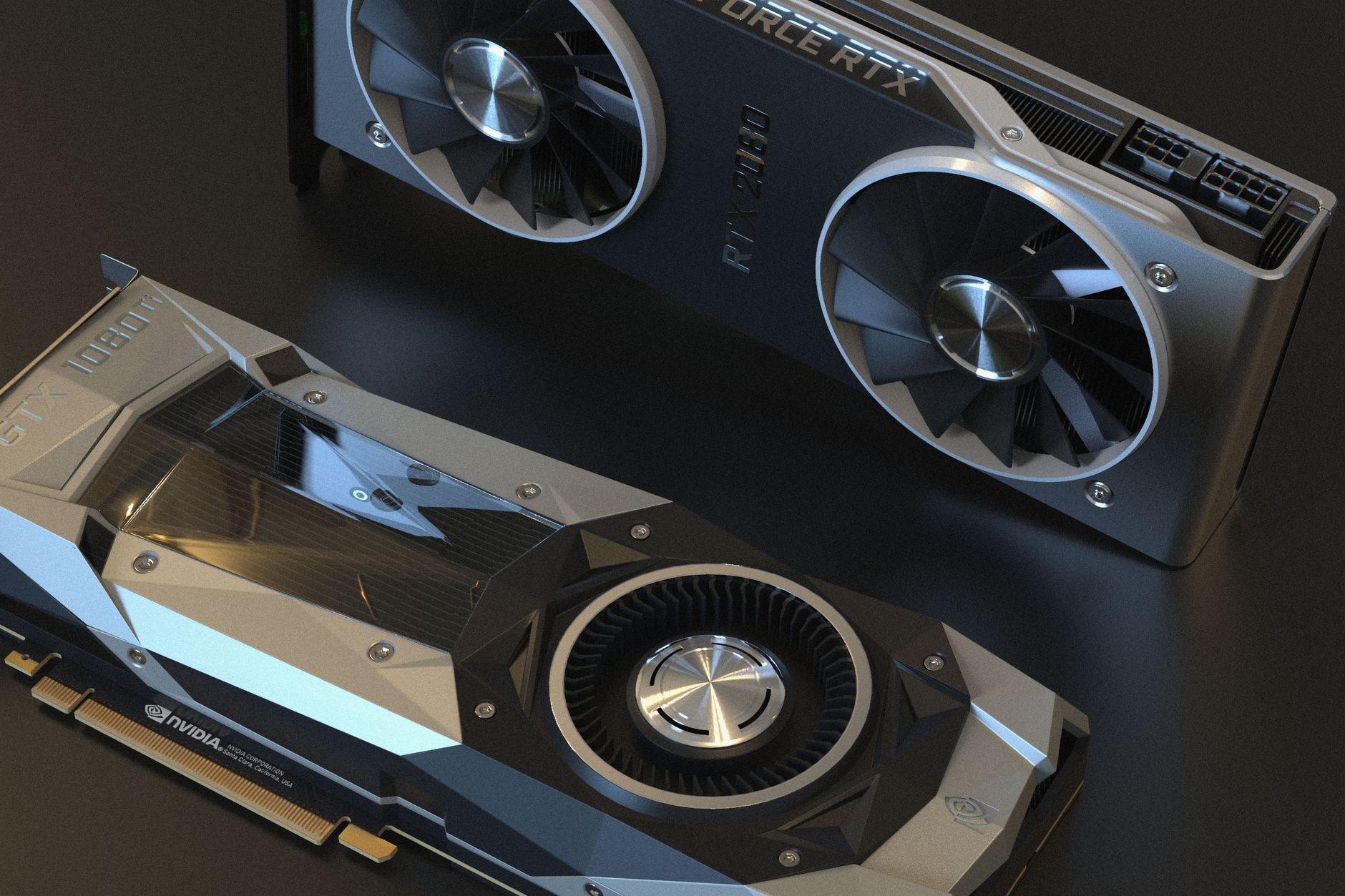
Cryptocurrency mining hardware, which includes application-specific integrated circuit (ASIC) machines built for coins such as Bitcoin and graphics processing unit (GPU) rigs used for other proof-of-work networks, remains a foundational layer of the digital asset economy. The equipment converts electricity into computational power, allowing miners to compete for block rewards and transaction fees. As blockchain networks scale and competition among miners intensifies, manufacturers have been under pressure to deliver machines that pack greater processing efficiency into smaller, less power-hungry designs.
Analysts tracking the sector generally attribute growth in this equipment category to a combination of factors: the ongoing appetite for institutional-scale mining operations, advances in semiconductor design that improve hash rates while reducing energy consumption, and the periodic replacement cycles that follow major network events such as Bitcoin’s halving. Rising interest from data center operators exploring diversified computing workloads, including crypto mining alongside other high-performance computing tasks, has also been cited as a contributing trend across the industry.
Gulf Region’s Growing Role in Global Mining Infrastructure
The Gulf has increasingly featured in conversations about the global crypto mining hardware trade. The UAE, in particular, has positioned itself as an attractive destination for large-scale mining operations, drawing interest from international miners and infrastructure developers due to the country’s relatively low energy costs, access to advanced data center facilities, and a regulatory environment that has moved to formally recognize and license digital asset activities. Abu Dhabi and Dubai have both taken steps in recent years to build out licensing frameworks for virtual asset service providers, a move that has helped attract hardware suppliers, hosting providers, and mining firms looking to establish or expand a regional footprint.
For GCC-based investors and technology firms, the projected growth in mining hardware demand carries practical implications. The region’s push to diversify away from hydrocarbon revenues has included growing investment in data infrastructure, and crypto mining hardware sits at the intersection of energy, computing, and finance—three sectors where Gulf states have been actively deploying capital. Local firms involved in importing, hosting, or servicing mining equipment could see increased business activity if global demand trends hold, while power utilities and free zone authorities may continue to court mining operators seeking stable, cost-effective environments to run energy-intensive hardware.
At the same time, the mining hardware sector remains sensitive to broader cryptocurrency market conditions. Equipment demand tends to track closely with digital asset prices and mining profitability, meaning downturns in crypto valuations can quickly dampen new hardware orders, while bullish market phases typically spur fresh investment in rigs and data center capacity. Regulatory developments in major markets, including potential restrictions or incentives tied to energy usage and environmental concerns, are also likely to shape how quickly the projected growth materializes.
As the mining hardware industry moves forward, stakeholders across manufacturing, hosting, and energy supply chains are expected to watch closely for signs of how efficiency gains, network upgrades, and regional policy shifts—including those emerging from the UAE and wider GCC—translate into sustained demand over the report’s forecast period.