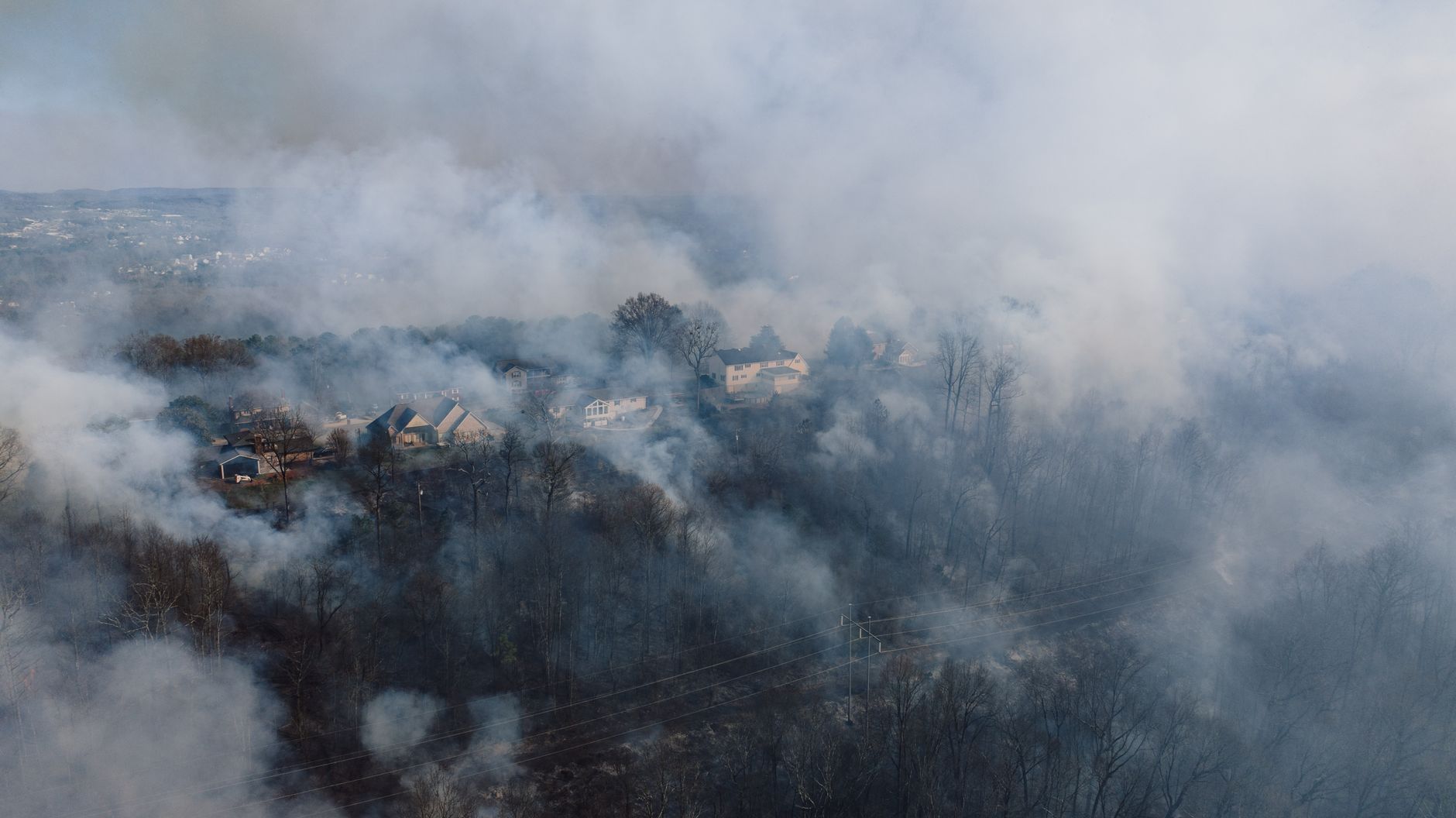
Wildfires that once burned largely in remote forestland are increasingly threatening populated urban and suburban areas in the western United States, with Spokane, Washington, emerging as a case study in how fire behavior is changing alongside the region’s climate. Fire officials and researchers have pointed to the city’s experience as an example of a broader shift: blazes that move faster, spread closer to homes, and occur across a longer stretch of the calendar year than in decades past.
Spokane, a mid-sized city in the inland Pacific Northwest surrounded by pine forest and dry grassland, has historically faced wildfire risk on its outskirts. But the pattern observed there in recent fire seasons reflects a trend seen across California, Oregon, Washington, and other western states, where dry vegetation, prolonged heat, and shifting precipitation patterns have combined to make fire more likely to reach the edges of towns and cities rather than remaining confined to backcountry terrain.
A Longer, More Volatile Fire Season
Climate scientists and emergency planners have for years warned that warming temperatures and changing precipitation are extending the length of the fire season in the western U.S. and increasing the intensity of individual blazes. Vegetation that once retained moisture into late summer now often dries out earlier, creating conditions where fires can ignite and spread rapidly under strong winds. The result, according to fire researchers, is a growing number of “wildland-urban interface” fires—blazes that cross from open land directly into residential neighborhoods, complicating evacuation efforts and straining local firefighting resources.
Spokane’s situation has drawn attention because it illustrates how a city that is not traditionally associated with the scale of destruction seen in California can nonetheless face similar pressures. Officials in fire-prone western states have increasingly emphasized defensible space around homes, updated building codes, and expanded early-warning systems as tools to reduce risk, even as the underlying climate conditions driving fire activity continue to shift.
The broader scientific consensus linking rising global temperatures to more volatile fire behavior has implications well beyond the United States. Longer, hotter dry seasons, reduced snowpack, and shifting rainfall patterns are among the factors that researchers say contribute to conditions favorable for large or fast-moving wildfires, a dynamic being studied in fire-affected regions around the world, from the Mediterranean to Australia.
For Gulf audiences, the phenomenon carries relevance beyond direct fire risk. The GCC region has limited exposure to wildfire itself given its arid, largely non-forested terrain, but the underlying climate trends associated with events like those in Spokane—rising average temperatures, more erratic precipitation, and intensifying heat extremes—are closely tracked by regional governments and energy planners. The UAE and other Gulf states have invested heavily in climate resilience planning and have positioned themselves as hosts of major international climate discussions in recent years, reflecting a recognition that shifts in global weather patterns can affect energy demand, agricultural planning, and insurance markets even in regions far from the fires themselves.
Insurance and reinsurance markets, some of which have exposure to Gulf-based investment funds, have also faced rising costs tied to wildfire losses in the U.S. West, a trend that analysts say could influence global premium pricing and risk models over time. As fire seasons lengthen and urban areas increasingly find themselves in the path of wildfire, officials and scientists say the pattern seen in cities like Spokane is likely to remain a point of reference for how climate change is reshaping disaster risk in populated areas.