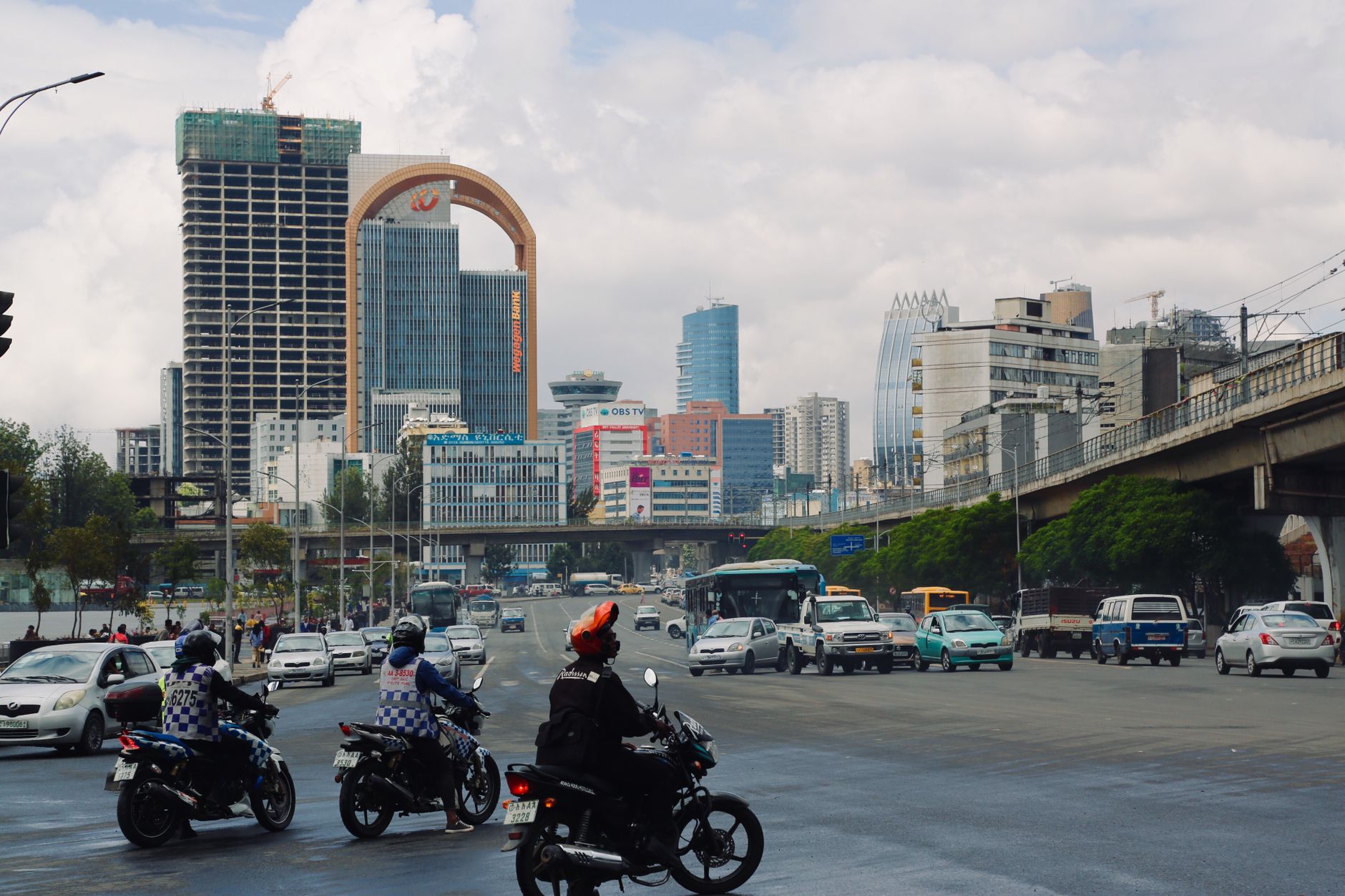
A UAE-based real estate developer has agreed to launch a housing development project in Ethiopia in partnership with the Ethiopian Army Foundation, according to a report by the state-run Ethiopian News Agency (ENA English). The announcement marks a fresh instance of Gulf capital flowing into East Africa’s residential construction sector, an area that regional developers have increasingly eyed as domestic markets in the UAE mature and competition intensifies.
Details of the agreement, including the identity of the developer, the scale of the investment, the number of housing units planned and the specific location within Ethiopia, have not been disclosed in the initial report. The Ethiopian Army Foundation, an entity affiliated with the country’s defence establishment, is understood to be involved in facilitating or co-developing the project, though the precise structure of the partnership — whether through land allocation, joint financing or a build-operate arrangement — has not been specified.
Ethiopia’s Housing Deficit Attracts Foreign Capital
Ethiopia has faced a persistent shortage of affordable and middle-income housing for years, driven by rapid urbanisation, population growth and constrained public financing for large-scale construction. Government-linked bodies in the country have periodically sought foreign investment and technical partnerships to accelerate housing delivery, particularly as domestic contractors and financiers struggle to keep pace with demand in Addis Ababa and other urban centres.
For UAE developers, Ethiopia represents one of several African markets where large, relatively young populations and unmet housing demand offer long-term growth potential outside the increasingly saturated Gulf residential markets. Emirati real estate firms have in recent years expanded their footprint across Africa and South Asia, pursuing diversification strategies that reduce reliance on cyclical demand in Dubai and Abu Dhabi.
The involvement of a military-affiliated foundation as a local partner is not unusual in Ethiopia, where state and quasi-state institutions frequently play a role in large infrastructure and housing initiatives, often controlling land allocation and providing logistical support that private developers alone would find difficult to secure. Such partnerships can offer foreign investors a faster route to project approval and implementation, though they also require navigating Ethiopia’s distinct regulatory and political landscape.
Analysts who track Gulf outbound investment in Africa have noted that housing and infrastructure projects tied to state or military-linked entities can carry both opportunities and risks: they may provide access to land and streamlined approvals, but returns and project timelines can be affected by shifts in government priorities or broader political developments in the host country.
The announcement comes as UAE developers and investment vehicles continue to explore opportunities across the African continent, spanning sectors from energy and logistics to residential and commercial real estate. Ethiopia, with a population exceeding 120 million and one of Africa’s fastest-growing economies prior to recent macroeconomic pressures, has been positioned by some Gulf investors as a market with substantial long-term upside, notwithstanding near-term currency and liquidity constraints that have complicated large capital projects in the country.
Further specifics on the housing project — including financing terms, construction timelines and the number of beneficiaries expected to receive housing under the scheme — are likely to emerge as the partnership between the UAE developer and the Ethiopian Army Foundation moves from agreement to implementation. TAI News will provide updates as additional details become available.