Global energy and climate-related dealmaking remained a focus for investors and industry watchers in the first full week of August, according to a weekly roundup published by Axios that tracks transactions across the traditional and low-carbon energy sectors. While the specific transactions compiled in this week’s list were not detailed in the available summary, the recurring feature underscores how actively capital continues to move across oil and gas, renewables, grid infrastructure and climate-technology segments even amid broader macroeconomic uncertainty.
Such weekly compilations have become a widely referenced barometer for tracking the pace of consolidation, financing rounds and strategic partnerships in the energy sector. They typically capture a mix of corporate acquisitions, private equity investments, project financings and venture rounds spanning conventional hydrocarbons, clean power generation, battery storage, carbon capture and related infrastructure. For institutional investors, sovereign wealth funds and corporate strategists, these roundups often serve as an early signal of where capital is concentrating and which sub-sectors are attracting the most interest from dealmakers.
Why the Trend Matters for Gulf Investors
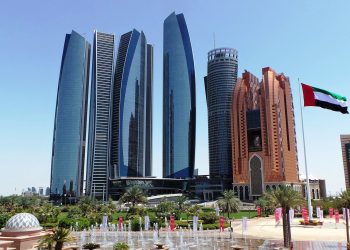
For readers across the UAE and the wider GCC, the steady drumbeat of energy and climate transactions carries direct relevance. Gulf sovereign wealth funds, national oil companies and state-linked investment vehicles have in recent years become increasingly active participants in global energy markets, both as strategic investors in renewable and low-carbon assets abroad and as counterparties in cross-border partnerships involving hydrocarbons, hydrogen and clean-technology ventures. The UAE, through entities such as Masdar and other state-backed platforms, has positioned itself as a significant capital allocator in international clean energy markets, while other Gulf states continue to pursue diversification strategies that blend legacy oil and gas revenue with new investments in solar, wind, and emerging low-carbon fuels.
Tracking the broader cadence of global energy dealmaking also matters for regional policymakers and corporate leaders as they benchmark the pace of the energy transition against their own national strategies, including the UAE’s clean energy targets tied to its Net Zero by 2050 strategic initiative. Weekly deal summaries, even when reported without granular detail, offer a useful proxy for gauging investor sentiment toward fossil fuel assets versus renewable and transition-linked technologies, which in turn can inform capital allocation decisions by Gulf-based funds and corporations weighing similar transactions.
Market participants in the region are likely to continue monitoring such weekly energy and climate deal trackers as part of broader efforts to stay informed on global capital flows, competitive positioning among international oil majors and clean energy developers, and emerging opportunities for co-investment or acquisition. As GCC economies push forward with diversification agendas and expand their footprint in renewable energy, hydrogen and carbon management sectors, visibility into the broader global dealmaking environment remains a key input for strategic planning, even when individual weekly reports surface without exhaustive transaction-level detail.
Further specifics on this week’s individual deals, including company names, transaction values and sector breakdowns, were not available at the time of reporting. TAI News will continue to monitor developments in global energy and climate investment activity, with particular attention to transactions involving UAE and GCC-based entities as they emerge.