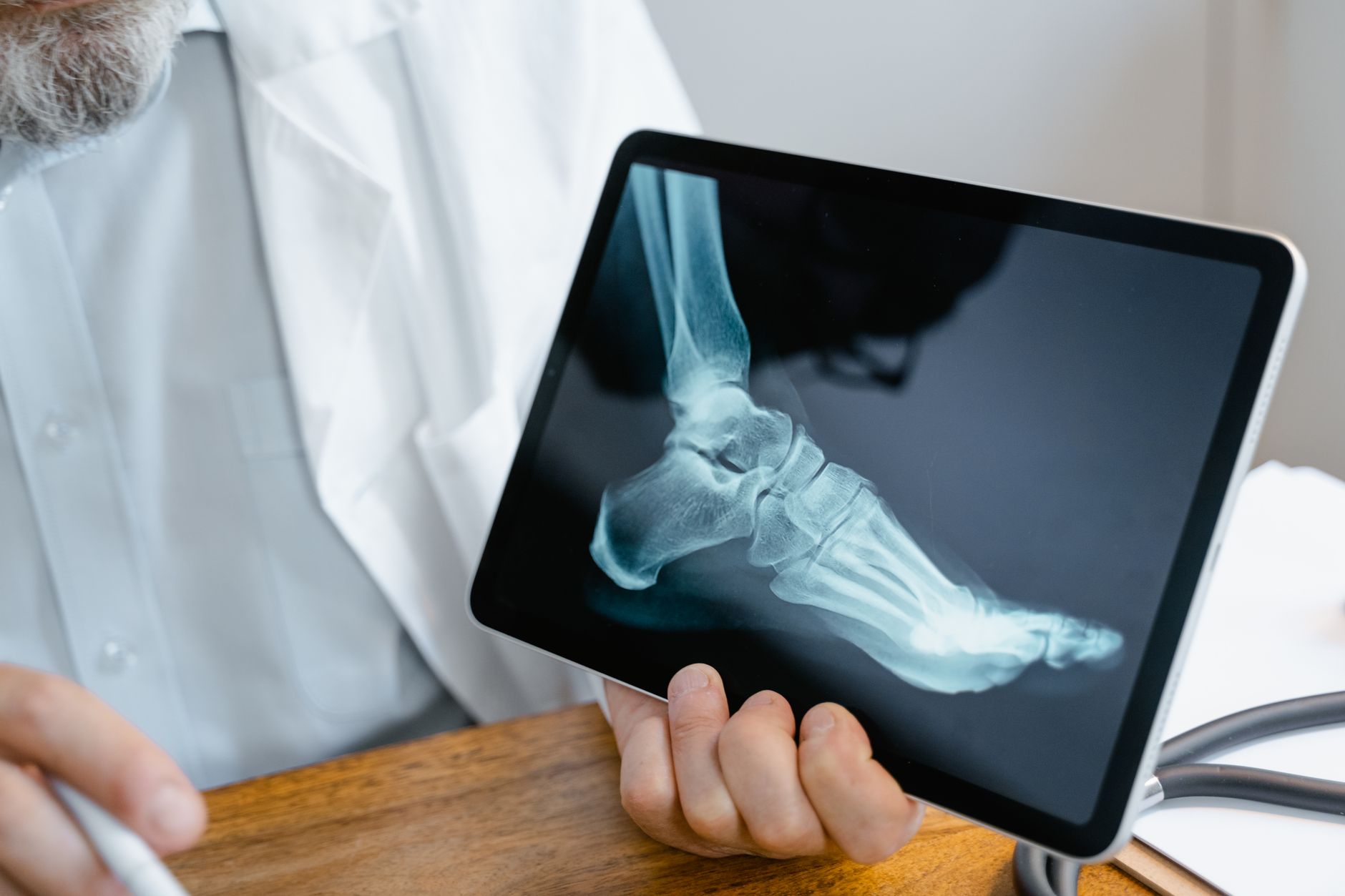
A new study indicates that artificial intelligence could help make foot health assessment more affordable and accessible, potentially easing the diagnostic burden associated with conditions that affect the feet, including complications linked to diabetes and poor circulation. According to the research, AI-based tools may be able to support clinicians and patients in identifying early signs of foot problems without requiring the specialized, often costly equipment typically used in podiatric clinics.
Foot health is widely recognized as an important but frequently overlooked component of overall wellbeing, particularly for people living with diabetes, a condition that can lead to nerve damage, poor blood flow, and an increased risk of ulcers or infections in the feet if left unmonitored. Traditional diagnostic approaches often rely on trained specialists and dedicated imaging or sensor equipment, which can be expensive to acquire and maintain, especially in regions with limited access to specialist podiatric care.
The study suggests that machine learning techniques, applied to more basic and widely available forms of data collection, could offer a viable alternative. By training algorithms to detect patterns associated with early-stage foot conditions, researchers propose that lower-cost devices or even smartphone-based tools could eventually be used to flag potential issues before they become severe, prompting earlier referral to medical professionals.
Relevance for the Gulf’s Diabetes and Healthcare Landscape
The potential applications of such technology carry particular relevance for the UAE and the wider Gulf region, where diabetes prevalence rates are among the highest in the world. Public health authorities across the GCC have repeatedly flagged diabetes-related complications, including foot ulcers and lower-limb amputations, as a significant burden on healthcare systems and patient quality of life.
Low-cost, AI-supported screening tools could offer a practical complement to existing diabetes management programs in the region, particularly in primary care settings or community health initiatives where access to specialist podiatric equipment may be limited. Earlier detection of foot health issues has long been associated with better outcomes and reduced rates of severe complications, making preventive screening a priority for health policymakers.
The UAE has positioned itself as a regional hub for health technology investment and innovation, with government-backed initiatives and private healthcare providers increasingly exploring AI-driven diagnostic tools across multiple specialties. Should low-cost, AI-based foot health technologies mature beyond the research stage, they could align with broader efforts in Dubai and Abu Dhabi to integrate digital health solutions into public and private care pathways, particularly for chronic disease management.
Gulf healthcare providers have shown growing interest in scalable digital tools that can extend the reach of specialist expertise to a broader patient population, including in more remote or underserved areas. AI-supported foot screening, if validated through further clinical research, could fit into this trend by reducing dependence on specialized in-person assessments for routine monitoring.
The study’s findings point to an early but notable step in exploring how artificial intelligence might be deployed in cost-sensitive healthcare contexts. While the technology remains in a research phase, its emphasis on affordability and accessibility suggests potential relevance for health systems seeking to manage chronic disease-related complications more efficiently, a consideration that resonates strongly with public health priorities in the UAE and across the GCC.
Further clinical validation and real-world testing would likely be needed before such AI-based foot health tools could be adopted at scale, but the direction of the research reflects a broader global trend toward using artificial intelligence to lower barriers to preventive healthcare.