DUBAI — Tesla’s latest earnings disclosure has drawn scrutiny from regional investors tracking the electric vehicle maker through UAE-based brokerages and exchange-traded funds, after the company reported a 26% revenue increase that failed to offset a sharp rise in operating expenses tied to delayed production timelines for its Cybercab, Semi truck and Megapack energy storage products.
What the numbers mean for Gulf portfolios
Tesla remains one of the most widely held US equities among UAE retail investors using platforms such as Sarwa, ADCB’s trading services and international brokerages accessible from Dubai and Abu Dhabi. The company’s rising capital expenditure, driven by tooling for next-generation manufacturing lines, has pressured margins even as top-line growth accelerated. For regional investors, the disclosure signals that Tesla’s near-term profitability will remain sensitive to execution risk on new product lines rather than demand for existing models. Analysts at regional wealth managers have noted that Gulf sovereign wealth funds, including entities with indirect exposure through US equity indices, will be watching whether the Semi and Megapack delays extend into 2025 delivery targets, given both products carry relevance for the UAE’s logistics and utility-scale battery storage ambitions.
Relevance to UAE energy storage and logistics sectors
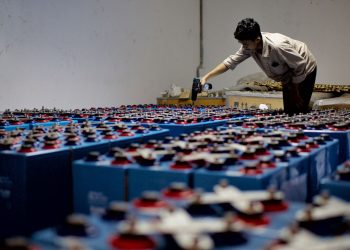
Megapack, Tesla’s grid-scale battery product, has direct bearing on the UAE’s renewable energy buildout, including projects tied to Abu Dhabi’s clean energy strategy and Dubai’s solar park expansion. Any slippage in Megapack production could affect timelines for utilities and developers who have expressed interest in battery storage partnerships as the emirates push toward net-zero targets. Similarly, the Semi truck’s delayed rollout is relevant to UAE logistics operators and free zone authorities exploring electrified freight corridors between the emirates and Saudi Arabia. Local automotive distributors, who have previously signaled interest in expanding Tesla’s commercial vehicle footprint in the region, are likely to reassess timelines pending clarity from Tesla’s next quarterly update. For now, the spending increase underscores execution risk that Gulf-based investors and infrastructure planners will factor into decisions involving Tesla-linked energy and mobility projects through the remainder of the year.