Behind every successful event lies a complex process rarely seen by audiences. While attendees experience polished presentations, stunning visual environments, and seamless programming, the journey from concept to execution often involves months of planning, creative development, and technical coordination.
The modern event production industry has evolved into a multidisciplinary field that combines strategic thinking, creative design, operational management, and technological innovation. What was once largely viewed as logistical coordination has become a sophisticated profession centered on experience creation.
Industry experts increasingly describe event production as the intersection of art and science. Creativity drives the development of compelling narratives and memorable moments, while operational precision ensures every element functions flawlessly under real-world conditions.
This balance is particularly important in markets such as the United Arab Emirates, where events often serve as platforms for business diplomacy, luxury brand engagement, cultural exchange, and national storytelling. Expectations are high, and audiences are accustomed to world-class standards.
The process typically begins with a simple question: what experience should participants take away from the event? From that foundation, creative teams develop concepts that align with organizational objectives while resonating with target audiences.
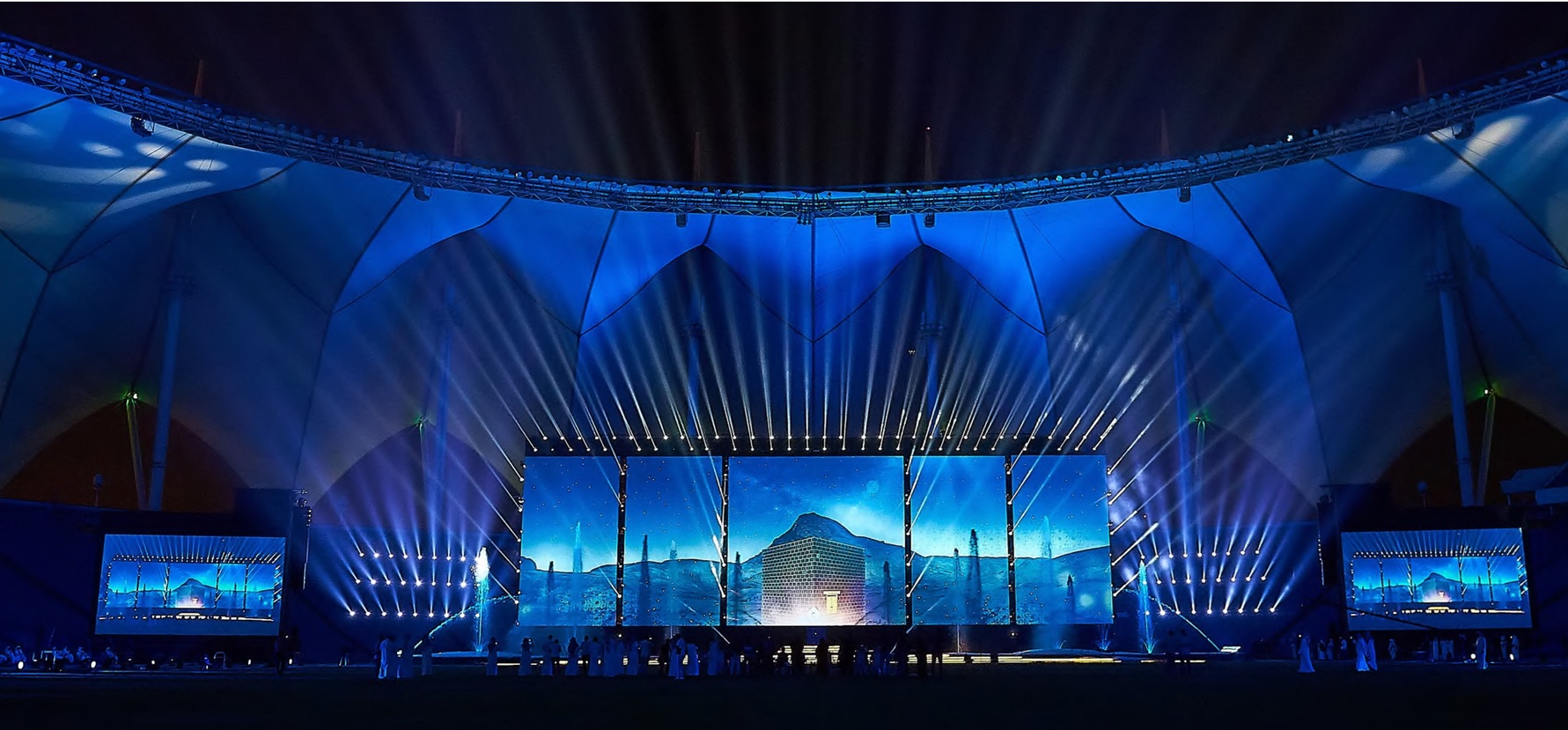
Design then becomes a central component of the strategy. Venue layouts, lighting schemes, visual identities, stage architecture, digital content, and environmental storytelling work together to shape audience perceptions. Every element contributes to the narrative being communicated.
Technology has significantly expanded the capabilities of event producers. Advanced visual systems, immersive projection environments, interactive experiences, and hybrid participation platforms allow organizations to engage audiences in increasingly innovative ways.
The rise of experiential marketing has also transformed client expectations. Brands now seek experiences that generate emotional responses rather than passive observation. Attendees are encouraged to interact, explore, share, and participate, creating stronger connections between organizations and their stakeholders.
Luxury brands have been among the earliest adopters of this approach. Automotive manufacturers, fashion houses, hospitality groups, and premium retailers frequently utilize immersive event environments to reinforce exclusivity and strengthen customer relationships. Carefully curated experiences often become extensions of the brand itself.
At the same time, large-scale public events and international conferences require a different level of operational sophistication. Managing thousands of participants, coordinating multiple suppliers, ensuring safety compliance, and maintaining production quality demand extensive expertise and preparation.
One of the defining characteristics of successful event production companies is their ability to integrate diverse disciplines under a unified vision. Creative directors, production specialists, designers, content creators, technical experts, and project managers must collaborate closely throughout the project lifecycle.
Sustainability is emerging as another important consideration. Clients increasingly seek environmentally responsible solutions, prompting agencies to explore reusable materials, digital alternatives, and more efficient production practices.
Looking ahead, the event production industry is expected to continue evolving alongside advancements in technology and changing audience expectations. Artificial intelligence, immersive media, data analytics, and personalized experiences are likely to influence how events are conceived and delivered in the years ahead.
Yet despite these innovations, the industry’s core purpose remains unchanged: bringing people together through meaningful experiences. Whether hosting a luxury brand activation, a global business summit, a cultural celebration, or a community gathering, event production continues to play a critical role in how organizations communicate, connect, and inspire.
In a world increasingly dominated by digital interactions, the value of shared human experiences may be more important than ever. The challenge for event producers is ensuring those moments are not only memorable but transformative.