In an era where audiences are exposed to thousands of marketing messages every day, brands are increasingly turning to experiences rather than advertisements to capture attention. Across the Middle East, and particularly in Dubai, experiential events have emerged as one of the most powerful tools for building emotional connections between organizations and their audiences.
The shift reflects a broader transformation in consumer behavior. People no longer simply purchase products or services; they seek memorable experiences that resonate with their values, aspirations, and lifestyles. This evolution has created growing demand for agencies capable of translating corporate objectives into immersive, human-centered experiences.
Dubai has become one of the world’s leading laboratories for experiential engagement. The city’s unique position as a global crossroads for business, tourism, luxury, and innovation has created fertile ground for increasingly sophisticated event concepts. From luxury automotive unveilings to international congresses, fashion showcases, cultural installations, and national celebrations, events have become strategic platforms for storytelling.
Industry observers note that successful events are no longer measured solely by attendance figures. Instead, organizations increasingly evaluate success through audience engagement, emotional impact, social amplification, and long-term brand perception.
This shift has elevated the role of creative agencies from logistical coordinators to strategic partners. Event professionals today are expected to blend design thinking, narrative development, technology integration, content creation, and production expertise into a single cohesive experience.
One notable trend shaping the sector is the growing importance of precision planning. Large-scale events often involve multiple stakeholders, complex production requirements, and high-profile audiences. As a result, flawless execution has become a defining characteristic of successful agencies operating in the region.
The luxury sector has been particularly influential in driving innovation. Premium brands in fashion, automotive, hospitality, and retail increasingly seek bespoke experiences that reflect exclusivity while fostering deeper customer engagement. Whether unveiling a new vehicle, launching a collection, or hosting private client gatherings, these events are designed to create moments that participants remember long after they leave the venue.
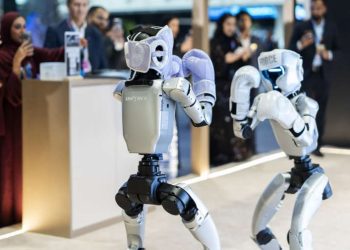
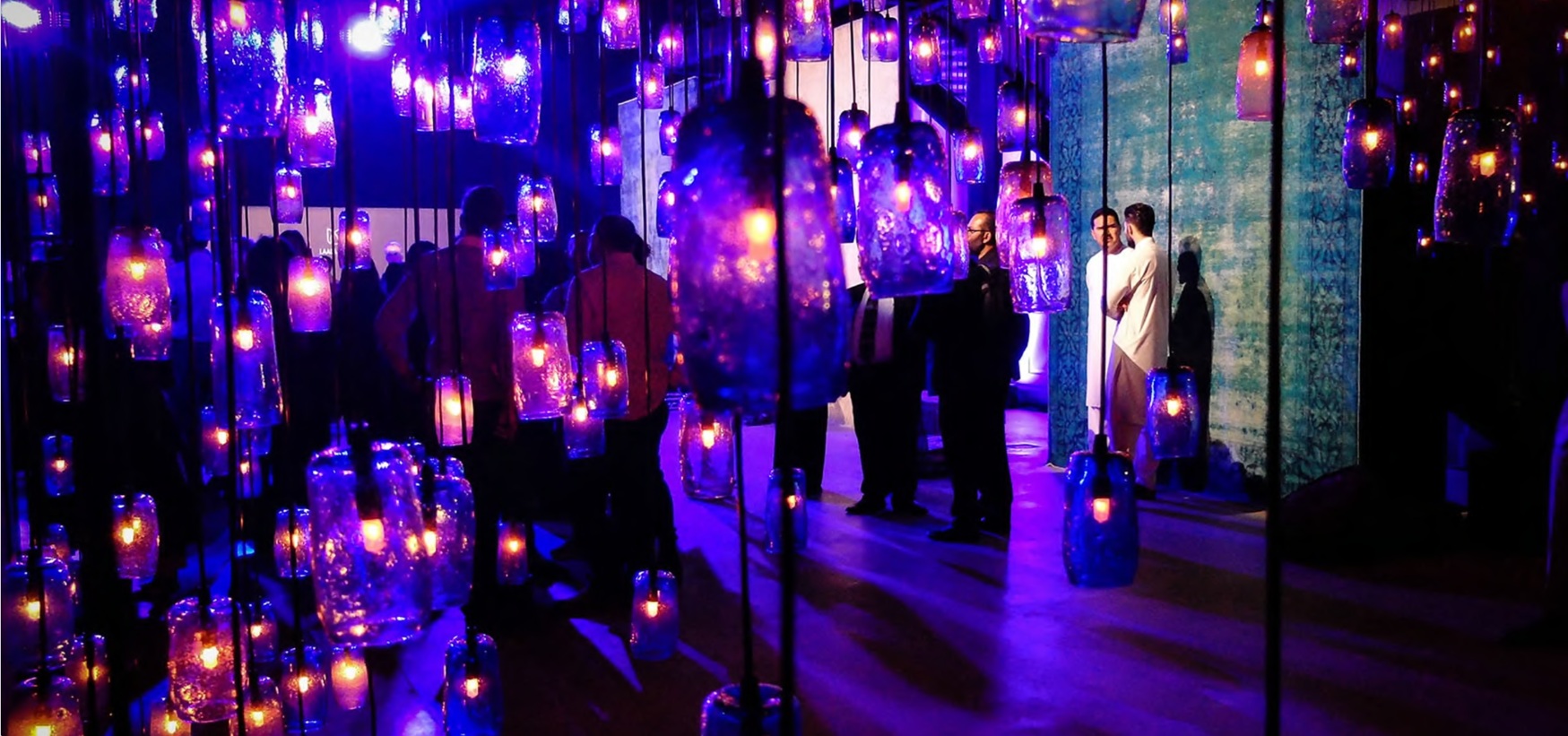
Technology has further expanded creative possibilities. Projection mapping, immersive audio-visual environments, interactive installations, and data-driven audience engagement tools are enabling event producers to blur the boundaries between physical and digital experiences.
Meanwhile, governments and public institutions are also embracing experiential communication. National celebrations, cultural initiatives, tourism campaigns, and international conferences increasingly rely on large-scale events to communicate strategic visions and strengthen public engagement.
The future of the industry is likely to be defined by personalization. Audiences expect experiences tailored to their interests, preferences, and expectations. Agencies capable of combining creativity with data insights will be better positioned to deliver meaningful engagement in an increasingly competitive environment.
Dubai’s event landscape demonstrates how the experience economy has evolved beyond entertainment. Events have become strategic business assets capable of shaping perceptions, fostering relationships, and driving measurable outcomes.
As brands continue seeking more authentic ways to connect with audiences, the demand for immersive storytelling and expertly executed experiences is expected to grow. For the agencies operating behind the scenes, success will depend not only on imagination but also on the ability to transform ambitious visions into memorable realities.