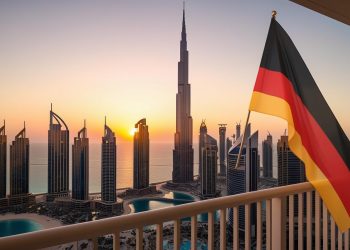
In recent years, Dubai has emerged as one of the most dynamic centers for advanced healthcare innovation. While the city has long been associated with aesthetic medicine and luxury medical tourism, a new frontier is rapidly gaining attention: longevity medicine.
Across the emirate, a growing number of clinics are exploring medical strategies designed not only to improve appearance, but to support cellular health, regeneration, and long-term vitality. From stem cell therapies to exosomes, peptide protocols and emerging regenerative technologies, Dubai is becoming a destination where the boundaries between aesthetic medicine, preventive medicine and biological aging research are beginning to blur.
Why Dubai Is Uniquely Positioned
Several factors explain why Dubai is increasingly attracting global attention in the longevity field. First, the emirate combines a highly international patient population with a healthcare system that is both innovative and carefully regulated. Clinics operate under the oversight of the Dubai Health Authority, while the city’s global connectivity attracts patients from Europe, Asia, the Middle East and beyond.
Second, Dubai has developed into a medical tourism hub, where patients are willing to travel for advanced
treatments not widely available in their home countries. Finally, the region’s investment in health technology, research partnerships and private medical infrastructure has created an ecosystem in which new approaches to aging and regeneration can be explored more quickly than in many traditional healthcare markets. The Rise of Regenerative Medicine One of the most discussed areas within longevity medicine is regenerative therapy. These approaches focus on supporting the body’s natural repair mechanisms rather than simply addressing symptoms.
Stem cell–based treatments, for example, are being explored for their potential role in tissue repair and recovery. Although the science is still evolving and regulatory frameworks vary worldwide, interest in stem cell therapies has grown significantly over the past decade.
Another rapidly developing field involves exosomes, tiny extracellular vesicles released by cells that play a role in cellular communication and tissue signaling. Researchers are investigating how these biological messengers might contribute to regenerative processes, skin health and recovery pathways.
Alongside these technologies, some clinics are also exploring MUSE cells, a specific population of stem cells that researchers believe may have unique regenerative capabilities. In addition, peptide therapies have gained popularity in longevity-focused clinics. Peptides are short chains of amino acids that act as signaling molecules in the body and may influence processes such as tissue repair, metabolism, inflammation and hormonal balance.
A New Model of Medical Aesthetics
What makes the Dubai approach particularly interesting is the way these regenerative concepts are beginning to integrate with aesthetic and preventive medicine. Traditionally, cosmetic treatments focused mainly on visible improvements: smoother skin, fuller volume or facial contouring. The emerging longevity model takes a broader perspective.
Clinics are increasingly looking at skin quality, tissue health, inflammation, recovery capacity and biological aging markers as part of a more comprehensive approach to wellbeing and appearance. This shift reflects a growing global trend: patients are not only asking how they can look younger, but also how they can age better and maintain vitality over time.
Clinics at the Forefront
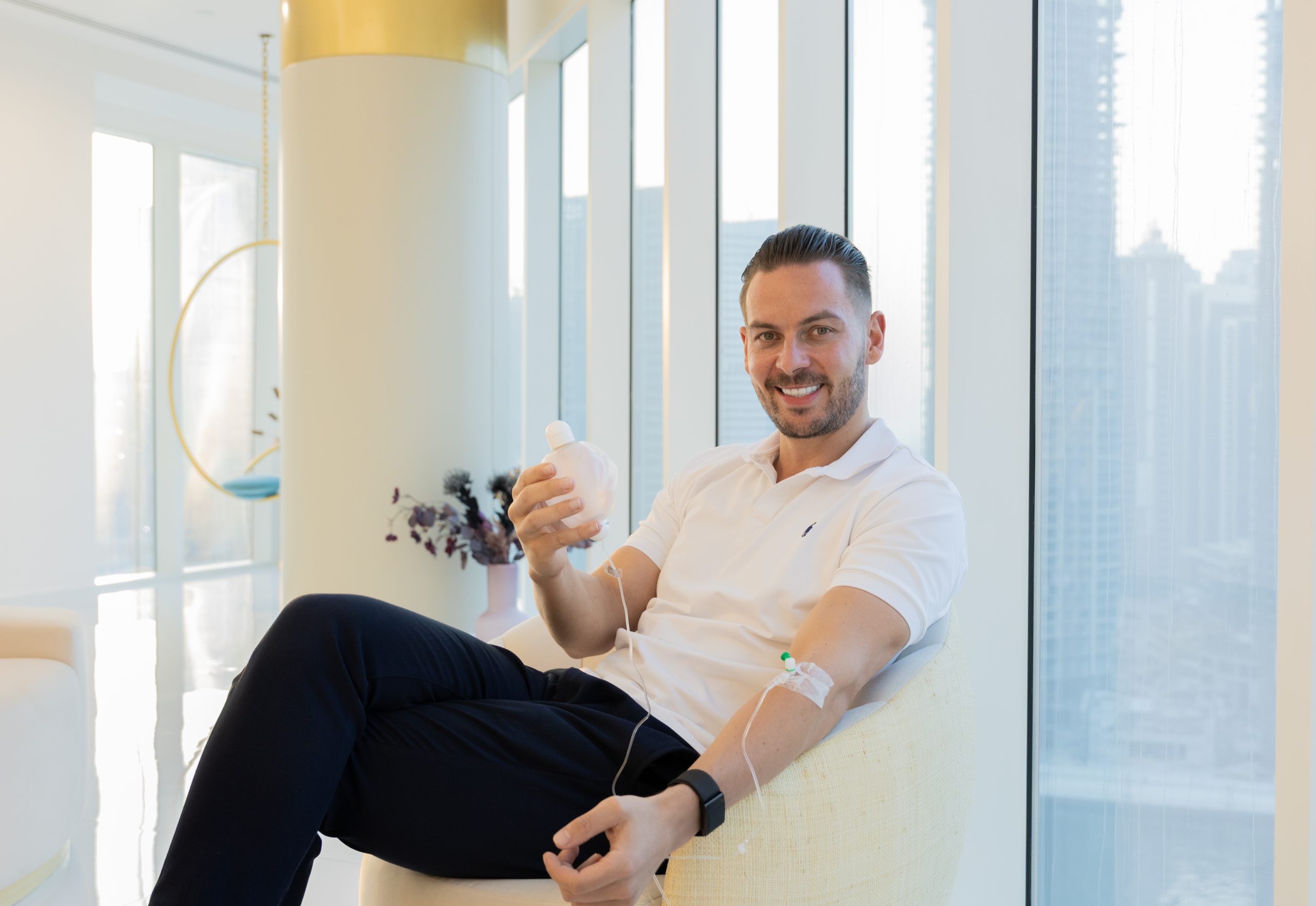
Within this evolving landscape, several specialized clinics in Dubai are positioning themselves at the intersection of aesthetics, regenerative medicine and longevity care. One example is EDEN AESTHETICS Clinic in Business Bay, a multidisciplinary center focusing on advanced aesthetic treatments, regenerative medicine and longevity- oriented protocols.
The clinic integrates a range of approaches, including aesthetic medicine, regenerative therapies such as
stem cell-based treatments and exosome protocols, as well as peptide programs designed to support
tissue recovery and overall vitality. According to practitioners working in this emerging field, the goal is not simply cosmetic enhancement but a more integrated model of care in which appearance, health and biological resilience are considered together.
The Future of Longevity Medicine
While many regenerative technologies are still being studied and evidence continues to evolve, the direction of travel in modern medicine is increasingly clear. Longevity medicine aims to move healthcare beyond reactive treatment and toward proactive strategies that support long-term health, resilience and functional aging. Cities that combine medical innovation, international expertise and forward-looking healthcare regulation are likely to play a key role in this transition.
Dubai, with its unique blend of global talent, advanced private healthcare infrastructure and openness to innovation, is rapidly positioning itself as one of those places.
As longevity medicine continues to develop, the emirate may well become one of the world’s most important destinations for patients seeking not only aesthetic improvements, but a more comprehensive approach to health, regeneration and aging well.