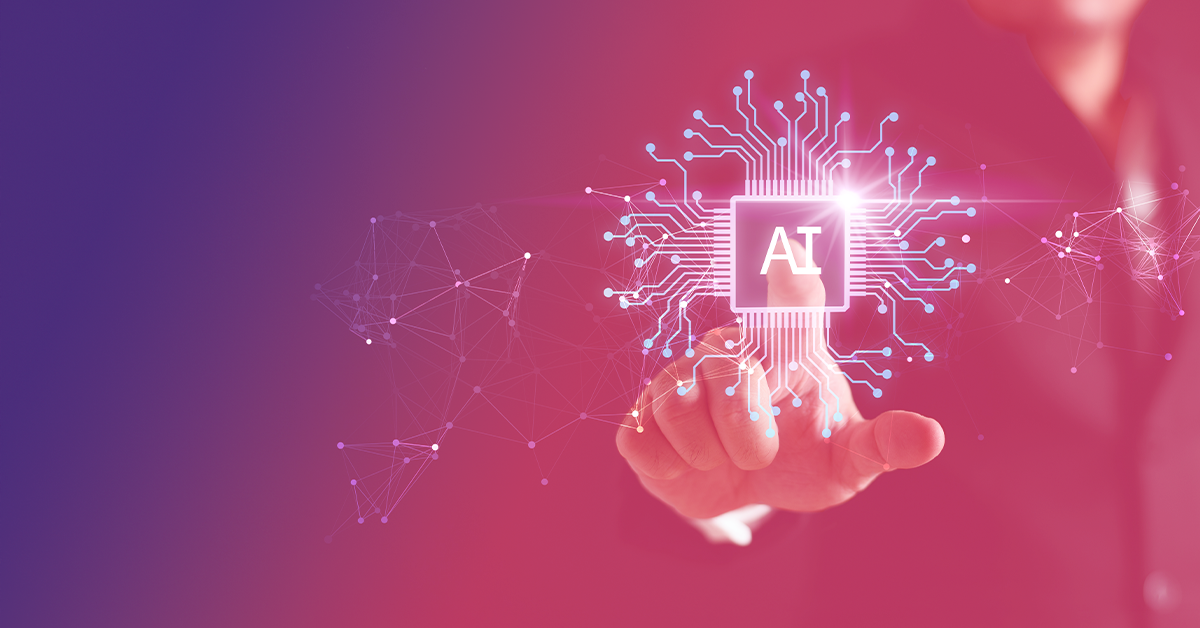
The idea that artificial intelligence could help humanity achieve a more peaceful world sits at the intersection of hope and skepticism. On one hand, AI promises unprecedented capabilities in prediction, coordination, and decision-making—tools that could address the root causes of conflict. On the other, the same technologies risk amplifying tensions, empowering authoritarian control, and accelerating warfare. Whether AI becomes an instrument of peace or conflict depends less on the technology itself and more on how societies choose to design, govern, and deploy it.
At its most optimistic, AI offers mechanisms to reduce the structural drivers of conflict. Many wars and internal crises stem from resource scarcity, economic inequality, and weak governance. AI systems, with their capacity to process vast datasets, can improve agricultural yields, optimize water distribution, and enhance energy efficiency. In regions vulnerable to climate change—an increasingly recognized catalyst for instability—AI-driven climate modeling and early warning systems can help governments and communities prepare for droughts, floods, and food shortages before they escalate into humanitarian crises or armed conflict.
Beyond resource management, AI could transform diplomacy itself. Traditionally, diplomatic decision-making has been constrained by incomplete information and human bias. AI can analyze historical patterns, simulate negotiation scenarios, and identify mutually beneficial outcomes that might not be immediately apparent to human negotiators. By providing a clearer picture of risks and incentives, AI could support more rational, less emotionally driven diplomacy. In theory, this could reduce miscalculations—the kind that have historically led to wars.
AI also holds promise in conflict prevention and peacekeeping. Predictive analytics can identify early signs of unrest by monitoring economic indicators, migration patterns, and even shifts in public sentiment. Governments and international organizations could use these insights to intervene diplomatically or economically before tensions escalate. Similarly, AI-enhanced surveillance and monitoring systems can help enforce ceasefires and peace agreements, providing neutral verification that reduces mistrust between conflicting parties.
However, the same capabilities that enable prevention can also enable repression. Authoritarian regimes may use AI to monitor populations, suppress dissent, and entrench their power. Mass surveillance systems powered by facial recognition and behavioral analysis can create societies where opposition is stifled before it can organize. While such control might produce a superficial appearance of “peace,” it would come at the cost of fundamental freedoms. This raises a critical question: is peace merely the absence of conflict, or does it require justice and liberty?
The military dimension of AI presents perhaps the most immediate and profound challenge. Autonomous weapons systems—machines capable of selecting and engaging targets without human intervention—are no longer science fiction. Proponents argue that such systems could reduce casualties by making warfare more precise and less reliant on human soldiers. Critics warn that they could lower the threshold for conflict, making war more likely because the political cost of human casualties is reduced. Moreover, the speed of AI-driven warfare could outpace human decision-making, increasing the risk of unintended escalation.
Cyber warfare is another arena where AI could destabilize peace. AI systems can be used to identify vulnerabilities in critical infrastructure, launch sophisticated attacks, and spread disinformation at scale. In an interconnected world, such capabilities could disrupt economies, undermine trust in institutions, and provoke retaliatory actions between states. The line between war and peace becomes blurred when conflicts are fought in digital spaces without formal declarations or clear endpoints.
Despite these risks, it is important to recognize that technology has always been dual-use. The same scientific advances that enable destruction can also enable progress. The question, therefore, is not whether AI will shape the future of peace, but how it will be governed. International cooperation will be essential. Just as treaties have been established to regulate nuclear weapons and chemical arms, similar frameworks may be needed to govern AI in military contexts. Efforts to establish norms—such as maintaining meaningful human control over lethal systems—could help mitigate the most dangerous risks.
Transparency and accountability will also play a crucial role. AI systems often operate as “black boxes,” making decisions that are difficult to interpret. In high-stakes contexts such as security and governance, this lack of transparency can erode trust and create new sources of conflict. Ensuring that AI systems are explainable, auditable, and aligned with human values is not merely a technical challenge but a political and ethical one.
Equally important is the issue of inequality. If the benefits of AI are concentrated in a small number of countries or corporations, existing global disparities could widen. Such imbalances may fuel resentment and competition, undermining prospects for peace. Conversely, if AI technologies are shared in ways that promote inclusive development, they could help reduce the economic and social inequalities that often underlie conflict.
Education and public awareness are often overlooked but vital components of this equation. Societies must understand both the potential and the limitations of AI. Overreliance on technological solutions can lead to complacency, while fear and misunderstanding can hinder constructive engagement. A well-informed public is better equipped to hold governments and institutions accountable for how AI is used.
Ultimately, the prospect of a peaceful world shaped by AI is neither guaranteed nor impossible. AI is a tool—one of extraordinary power, but a tool nonetheless. It reflects the intentions and values of those who create and deploy it. If guided by principles of cooperation, fairness, and respect for human rights, AI could help address some of the most persistent sources of conflict. If driven by competition, secrecy, and short-term advantage, it could just as easily exacerbate them.
The path forward requires a deliberate effort to align technological development with the broader goals of humanity. This includes fostering international dialogue, investing in ethical AI research, and building institutions capable of managing the risks. Peace, after all, is not a product that can be engineered solely through algorithms. It is a continuous process of negotiation, compromise, and mutual understanding.
AI may assist in that process—making it more informed, more efficient, and perhaps more equitable. But it cannot replace the fundamental human responsibility to choose peace over conflict. In the end, the question is not whether AI can give us a peaceful world, but whether we are willing to use it to build one.