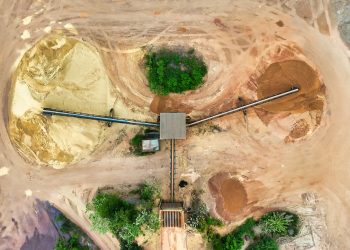

Hyperscale Data has announced plans to temporarily resume cryptocurrency mining operations at its facility in Dowagiac, Michigan, according to a report first carried by regional broadcaster WNDU. The move marks a shift in activity at the site, which had previously scaled back or paused its mining operations, though the company has not detailed the exact timeline for how long the renewed mining push will last.
The decision to restart operations, even on a temporary basis, reflects the ongoing volatility that characterizes the broader digital-asset mining industry, where companies frequently adjust output in response to shifting market conditions, energy costs, and the profitability of mining specific cryptocurrencies. Facilities like the one in Dowagiac typically house specialized computing hardware that performs the energy-intensive calculations required to validate blockchain transactions and earn mining rewards, and operators often idle or restart equipment depending on whether returns justify the electricity and operational expenses involved.
Industry Context and Wider Implications
While the Dowagiac facility is a localized operation tied to the US Midwest, its restart is a small but telling data point in the larger story of how mining companies across North America are navigating a period of fluctuating crypto prices and energy markets. Decisions to pause and later resume operations are not unusual in an industry where margins can swing quickly based on network difficulty, electricity pricing, and the market value of mined tokens.
For readers across the UAE and wider Gulf region, developments like this one offer a window into the operational realities facing crypto mining firms internationally, even as the Gulf itself has increasingly positioned itself as a destination for large-scale, energy-backed mining and blockchain infrastructure investment. The United Arab Emirates, alongside other GCC states, has in recent years drawn interest from mining operators and blockchain firms seeking access to competitive energy pricing and supportive regulatory frameworks, making the broader crypto sector a area of continued regional interest even when individual stories, such as the Dowagiac restart, originate far from the Gulf.
The news, as reported by WNDU, underscores how even smaller regional mining operators continue to adjust their strategies in response to changing conditions. As the broader crypto industry matures, such operational shifts at individual facilities are likely to remain common, offering insight into how mining companies balance cost, capacity, and market timing in an unpredictable sector.