The United Arab Emirates has signed a multilateral cooperation agreement with Kazakhstan and Uzbekistan to advance a new railway corridor linking Central and South Asia, alongside parallel commitments on energy supply chains and artificial intelligence. The accord, which centres on the Central Asia-South Asia (CASA) railway project, marks one of the most significant steps yet in Abu Dhabi’s push to position itself as a transit and investment hub spanning two of the world’s fastest-growing economic regions.
The trilateral deal was reported by state-linked outlets, including a report titled UAE and Kazakhstan expand cooperation in transport, energy and AI, which outlined how the three countries intend to deepen coordination across infrastructure, logistics and digital sectors in the coming years. While specific financial terms and implementation timelines were not detailed, officials involved in the arrangement framed it as a long-term commitment to building overland trade links that bypass traditional maritime chokepoints.
A Corridor Linking Two Economic Zones
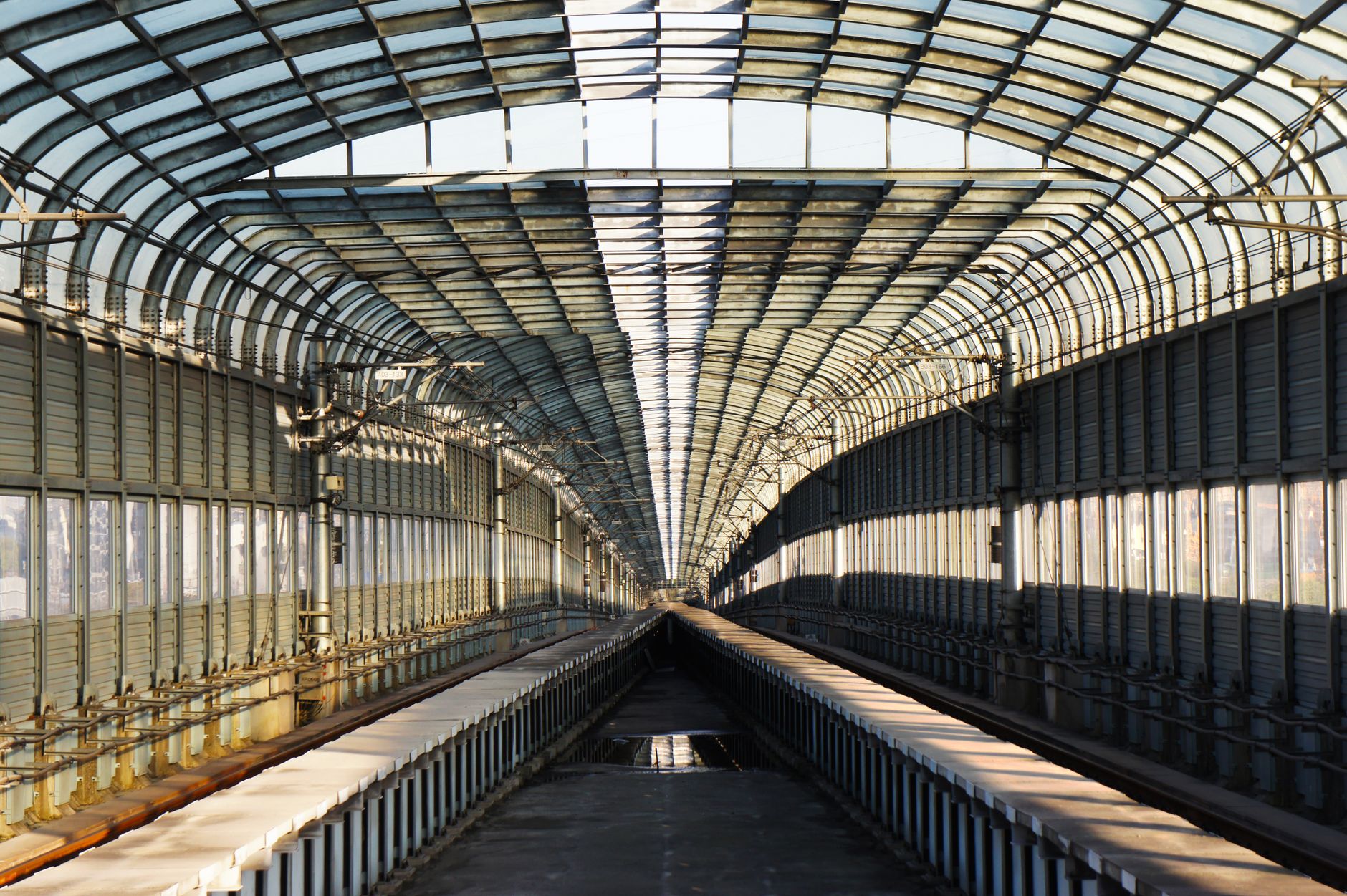
At the heart of the agreement is the CASA railway initiative, designed to connect landlocked Central Asian markets, including Kazakhstan and Uzbekistan, with economies further south in Asia. The route is intended to shorten transit times for goods moving between the two regions and reduce reliance on existing shipping and trucking corridors that often face congestion or geopolitical disruption.
For the UAE, participation in the project extends beyond railway construction. By inserting itself into the planning and financing of the corridor, Abu Dhabi aims to secure a role as a transit and logistics node connecting East-West trade flows, reinforcing a strategy that has already seen Emirati ports, airlines and logistics firms expand their footprint across Asia and Africa. Analysts tracking the UAE’s foreign economic policy have noted that such infrastructure partnerships typically pair with investment commitments from state-linked entities, even when those figures are not disclosed publicly at the signing stage.
The energy component of the agreement is expected to focus on securing supply arrangements and expanding infrastructure investment in the Central Asian partner countries, a region rich in oil, gas and mineral resources. This fits into a broader pattern of the UAE diversifying its energy partnerships beyond the Gulf and establishing itself as both an investor in, and a facilitator of, cross-border energy projects.
Technology and Wider Gulf Implications
Alongside transport and energy, the agreement includes provisions for cooperation on artificial intelligence and digital innovation, areas where the UAE has invested heavily in recent years as part of its ambition to become a global technology hub. Extending that cooperation into Central Asia suggests Abu Dhabi is looking to export its AI and digital infrastructure expertise to new markets, while also gaining access to emerging technology ecosystems in Kazakhstan and Uzbekistan.
The deal also carries broader significance for the Gulf region. By formalising ties with Central Asian economies through a structured, multi-sector agreement, the UAE is signalling an intent to diversify its network of strategic partnerships beyond the GCC bloc and traditional Western and Asian trade partners. This expansion aligns with wider efforts covered in the UAE section, where the emirate’s growing web of trade corridors, investment vehicles and technology partnerships has become a recurring theme as the country seeks new growth avenues ahead of a post-oil economic transition.
For businesses and investors across the UAE and wider Gulf, the agreement underscores the practical stakes of such diplomacy: new rail and energy links could eventually open fresh export routes and investment opportunities for Emirati companies operating in logistics, construction and technology, while reinforcing Dubai and Abu Dhabi’s ambitions to serve as connective tissue between Asia’s major trading blocs.