
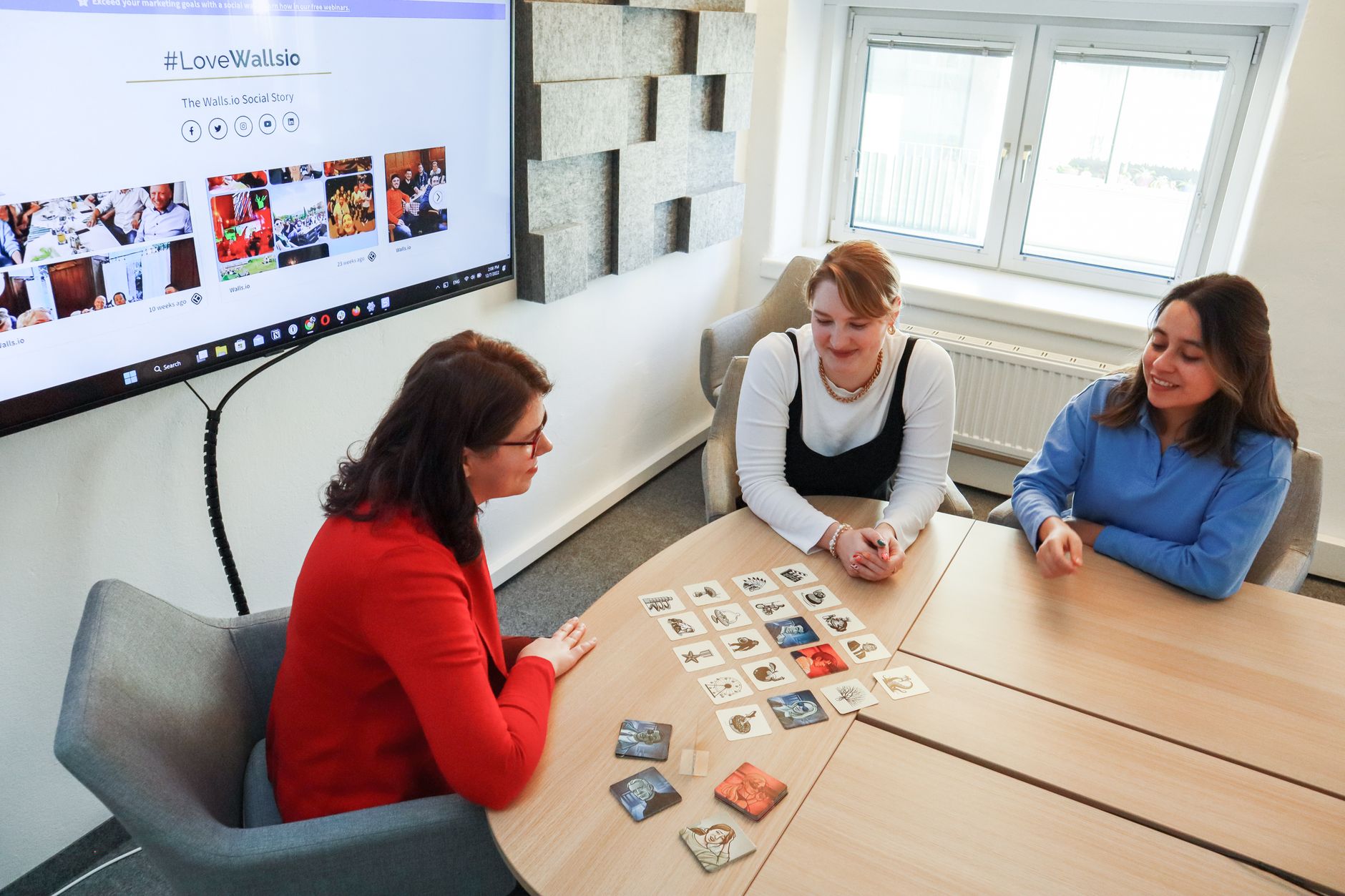
GamesIndustry.biz has unveiled the winners of its Best Places To Work Awards 2026, honouring companies across the British video game industry that have set benchmarks in workplace culture, employee benefits and professional development. The ceremony was staged at the Royal Institution in London as part of the publication’s annual HR Summit, drawing studio leaders, human resources executives and industry organisations together to mark employers considered to be raising the bar for staff treatment in a sector that has faced scrutiny over working conditions in recent years.
The event was backed by five sponsors drawn from across the industry: recruitment and compliance platform Amiqus, Forza Horizon developer Playground Games, Hitman studio IO Interactive, industry body Games London, and accessibility charity Special Effect. Their involvement points to a cross-section of commercial and non-profit interests in promoting better employment standards, from large publishers with sizeable headcounts to smaller organisations focused on inclusion and accessibility within game development teams.
A UK-centred celebration of workplace culture
While the full list of winners spans a range of studio sizes and specialisms, the awards remain firmly rooted in the UK games sector, reflecting the country’s long-standing position as one of Europe’s largest development hubs. The recognitions typically spotlight studios that have invested in areas such as flexible working arrangements, mental health support, diversity and inclusion programmes, and structured career progression — all issues that have become increasingly prominent across the global industry as companies compete for skilled talent amid periods of volatility, including widely reported layoffs at major publishers over the past two years.
The ceremony’s timing, coinciding with the HR Summit, underscores how seriously the industry now treats human resources strategy as a competitive differentiator. Game development remains a talent-intensive business reliant on programmers, artists, designers and producers, and studios that can demonstrate strong workplace cultures are often better positioned to attract and retain specialists in a crowded labour market. GamesIndustry.biz detailed the winners and sponsors in its original coverage, In pictures: the Best Places To Work Awards 2026, which captured the London event through photographs of attendees and award recipients.
Limited but instructive relevance for Gulf audiences
There was no indication of participation by Gulf-based studios or regional gaming companies in this year’s awards, underlining the event’s primarily domestic UK focus. For now, the Best Places To Work Awards offer little direct stake for UAE or wider GCC gaming professionals, whose industry continues to expand rapidly through government-backed investment, esports infrastructure and a growing base of international studios setting up regional operations in Dubai, Abu Dhabi and Riyadh.
Even so, the UK awards may hold indirect value as a reference point. As Gulf markets work to position themselves as attractive hubs for international game development talent, workplace culture benchmarks set by established industries elsewhere could inform how regional employers structure benefits, diversity initiatives and retention strategies going forward. Coverage of such events feeds into the broader gaming industry conversation around talent competition, a topic increasingly relevant as studios worldwide, including those eyeing expansion into the Gulf, weigh where and how to build sustainable, employee-friendly operations.
No UAE or GCC companies were named among the sponsors or honourees this year, but industry observers suggest that as the region’s gaming sector matures, similar recognition programmes tailored to local markets could eventually emerge, mirroring the standards being celebrated in London.