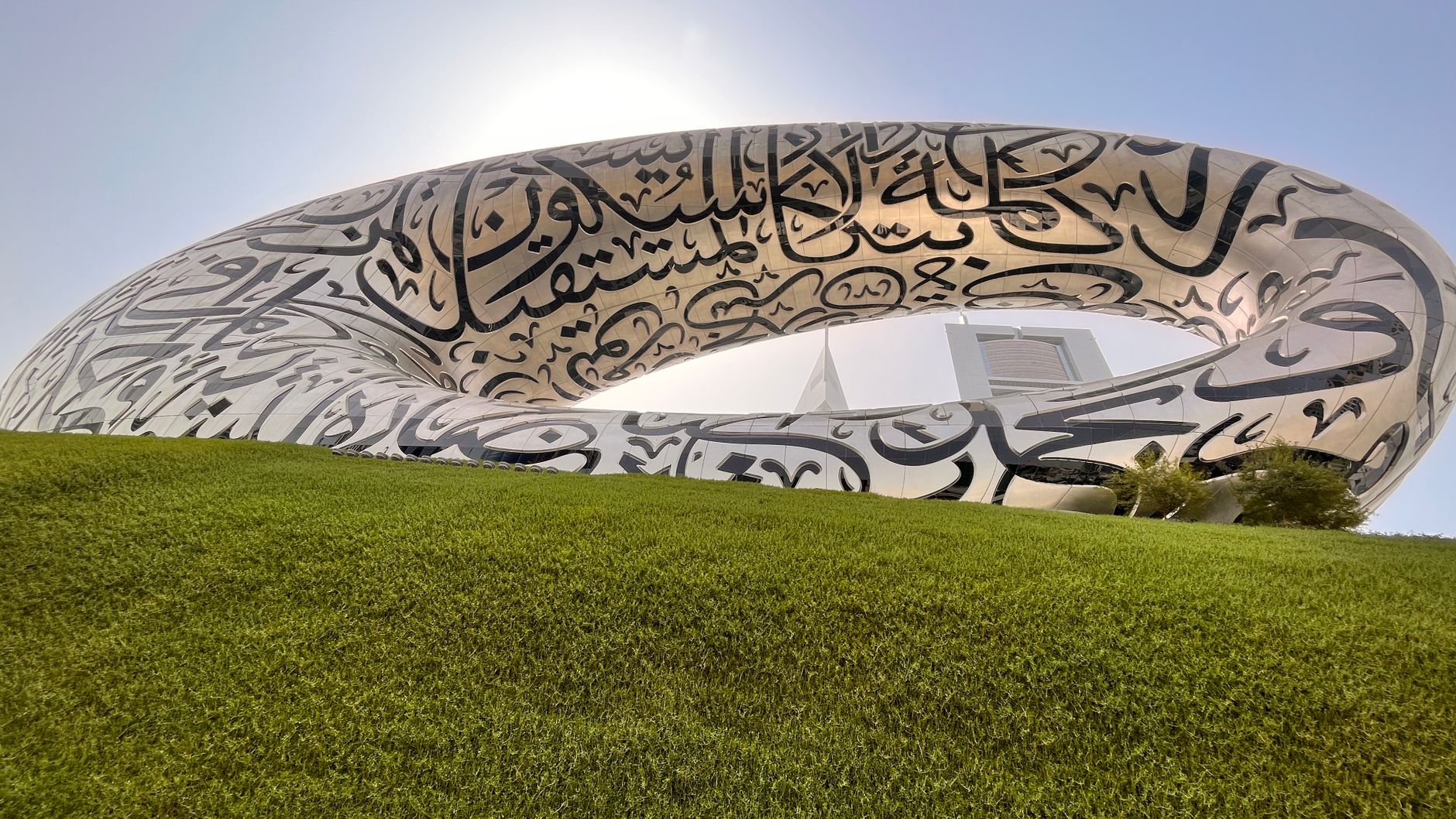
The technology sector across the United Arab Emirates and the wider Gulf continues to attract attention as governments, investors and businesses in the region push forward with digital transformation strategies aimed at diversifying economies away from oil dependence. While the pace and specifics of individual announcements vary from week to week, the broader trajectory remains consistent: sustained investment in digital infrastructure, artificial intelligence, and emerging technology platforms across the six-nation bloc.
A Region Betting on Digital Growth
The UAE has positioned itself as a regional hub for technology investment, with Dubai and Abu Dhabi in particular courting international firms through favourable regulatory frameworks, free zones, and government-backed initiatives designed to accelerate adoption of artificial intelligence, cloud computing, and fintech services. Saudi Arabia has pursued a parallel path under its own economic diversification agenda, channelling significant sovereign wealth toward technology ventures, data centres, and homegrown innovation ecosystems.
For readers across the Gulf, these developments carry direct relevance. Businesses operating in the UAE and neighbouring markets are increasingly expected to integrate digital tools into their operations, whether through automation, data-driven decision-making, or cybersecurity upgrades, as regulators tighten expectations around data protection and digital resilience. Expatriate professionals working in finance, logistics, healthcare, and retail sectors are also seeing job requirements shift toward digital literacy and technical skills, reflecting the broader push by governments to build knowledge-based economies less reliant on hydrocarbons.
Regional stock exchanges, including those in Abu Dhabi, Dubai, and Riyadh, have in recent periods seen technology-linked listings and venture capital activity draw interest from both domestic and international investors. Analysts covering the technology sector broadly note that Gulf markets are increasingly viewed as fertile ground for scaling startups, particularly in areas such as artificial intelligence, logistics technology, and digital payments, given the combination of available capital, supportive regulation, and a young, digitally engaged population.
What It Means for UAE and GCC Stakeholders
For UAE-based businesses and consumers, the continued emphasis on technology adoption translates into tangible changes: expanded digital government services, growth in e-commerce and digital banking options, and greater competition among telecom and cloud service providers seeking to serve enterprise clients across the region. Free zones such as those in Dubai and Abu Dhabi continue to be cited by industry participants as attractive entry points for international technology firms seeking a foothold in the Middle East, North Africa, and South Asia corridor.
GCC policymakers have also signalled intent to align technology regulation with global standards, particularly around data privacy, cybersecurity, and artificial intelligence governance, as the region seeks to balance rapid innovation with consumer and institutional trust. This regulatory evolution is likely to shape how multinational technology companies structure their regional operations going forward, and could influence where new data centres, research facilities, or regional headquarters are established.
While specific corporate announcements and financial figures tied to individual technology developments continue to emerge on a rolling basis, the overarching narrative for UAE and GCC audiences remains one of accelerating digital ambition. Stakeholders ranging from government entities to private investors and everyday consumers are being asked to adapt to a landscape where technology adoption is no longer optional but central to the region’s long-term economic strategy. As diversification efforts mature, the coming period is expected to bring further clarity on how specific initiatives, partnerships, and investments translate into measurable outcomes for businesses and residents across the Emirates and neighbouring Gulf states.