
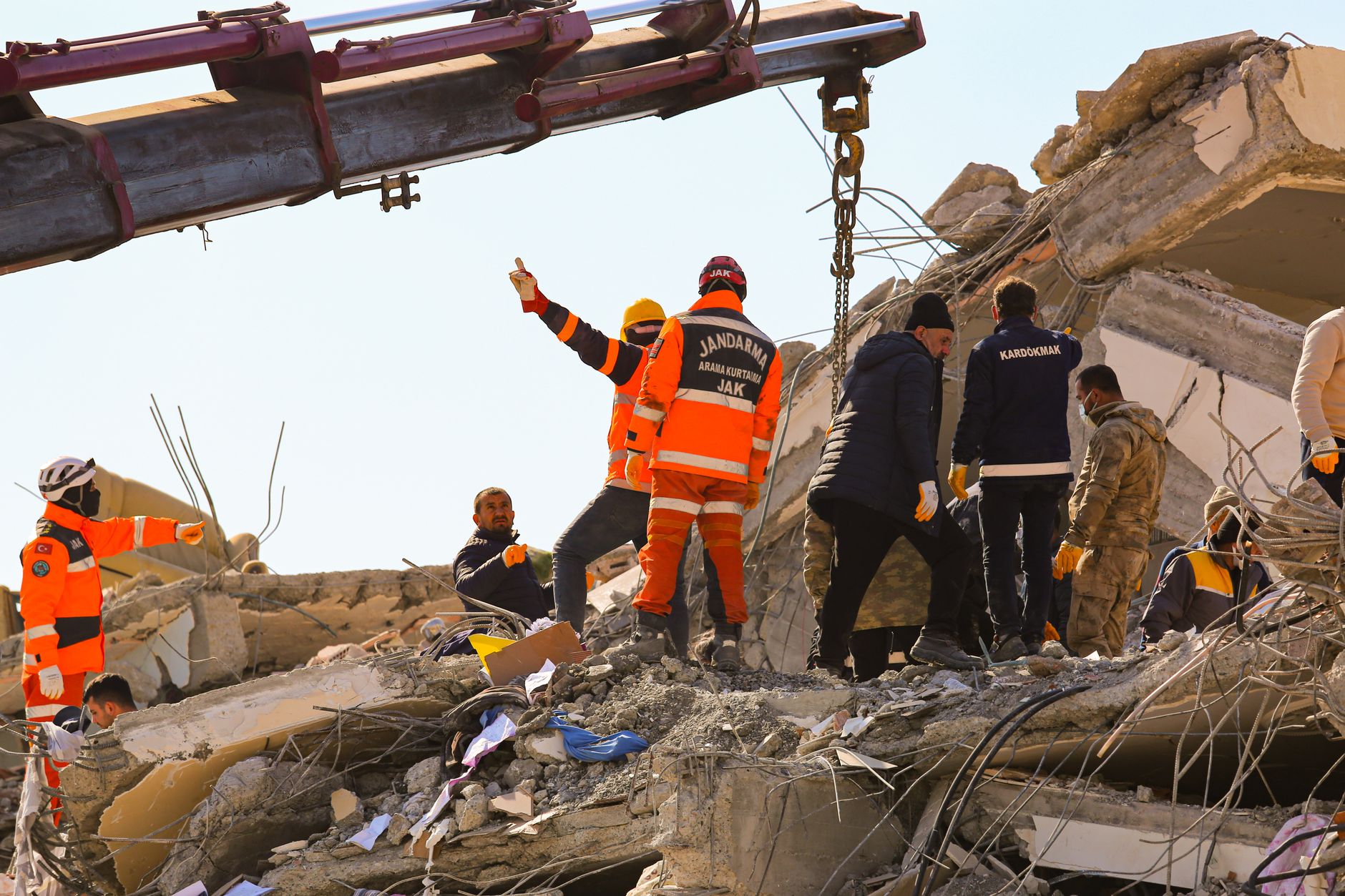
The United Arab Emirates has sent humanitarian assistance to communities in Colombia affected by a recent earthquake, part of a $10 million relief initiative coordinated alongside Paraguay. The move reflects the UAE’s continued participation in international disaster response and its readiness to mobilise resources quickly when natural disasters strike allied or partner nations.
While exact details of the supplies dispatched have not been disclosed, the scale of the package suggests the effort is intended to address a range of immediate humanitarian needs in the earthquake-hit areas, from basic relief items to broader recovery support. The story was first reported in UAE sends humanitarian aid to earthquake-hit Colombia, which outlined the scope of the initiative and its coordination with Paraguayan authorities.
A Model of Collaborative Relief
The joint approach with Paraguay is notable in itself. Rather than acting unilaterally, the UAE appears to be leveraging a partnership model that draws on the logistics and on-the-ground knowledge of a regional actor closer to the affected areas. Such collaboration can help ensure aid reaches intended recipients efficiently, particularly in disaster zones where infrastructure may be damaged or access limited in the immediate aftermath of a seismic event.
This is consistent with a pattern seen in previous UAE-led humanitarian responses, where the country has often worked with local or regional partners to distribute aid rather than relying solely on its own delivery networks. The approach allows the UAE to extend its humanitarian reach into regions where it may not have an established permanent presence, while still ensuring aid is distributed according to local needs assessments.
For readers across the UAE, the Colombia initiative is another data point in a long-running narrative: the Emirates positioning itself as a consistent and rapid contributor to global humanitarian efforts, spanning multiple continents and crisis types, from earthquakes and floods to conflict-driven displacement. Abu Dhabi and Dubai have in recent years directed aid to disaster-hit countries in Asia, Africa and now Latin America, reinforcing a foreign policy approach that pairs economic and diplomatic engagement with visible humanitarian commitments.
Analysts who track Gulf foreign policy note that this kind of rapid humanitarian response also serves broader diplomatic and soft-power objectives, helping the UAE build goodwill and strengthen bilateral ties with countries that may not otherwise feature prominently in its trade or investment portfolio. Colombia, while not among the UAE’s largest trading partners, represents an opportunity to expand the country’s humanitarian footprint in Latin America, a region where Gulf nations have historically had a lighter diplomatic presence compared to Asia or Africa.
For UAE residents and expatriates who often look to the country’s international conduct as a marker of its global standing, the Colombia relief effort is likely to be viewed as consistent with the country’s stated commitment to disaster relief and cooperation, even as specific operational details, such as delivery timelines and implementing partners on the ground, have yet to be fully outlined by officials. Further updates on the distribution and impact of the aid are expected as the relief operation progresses.





