
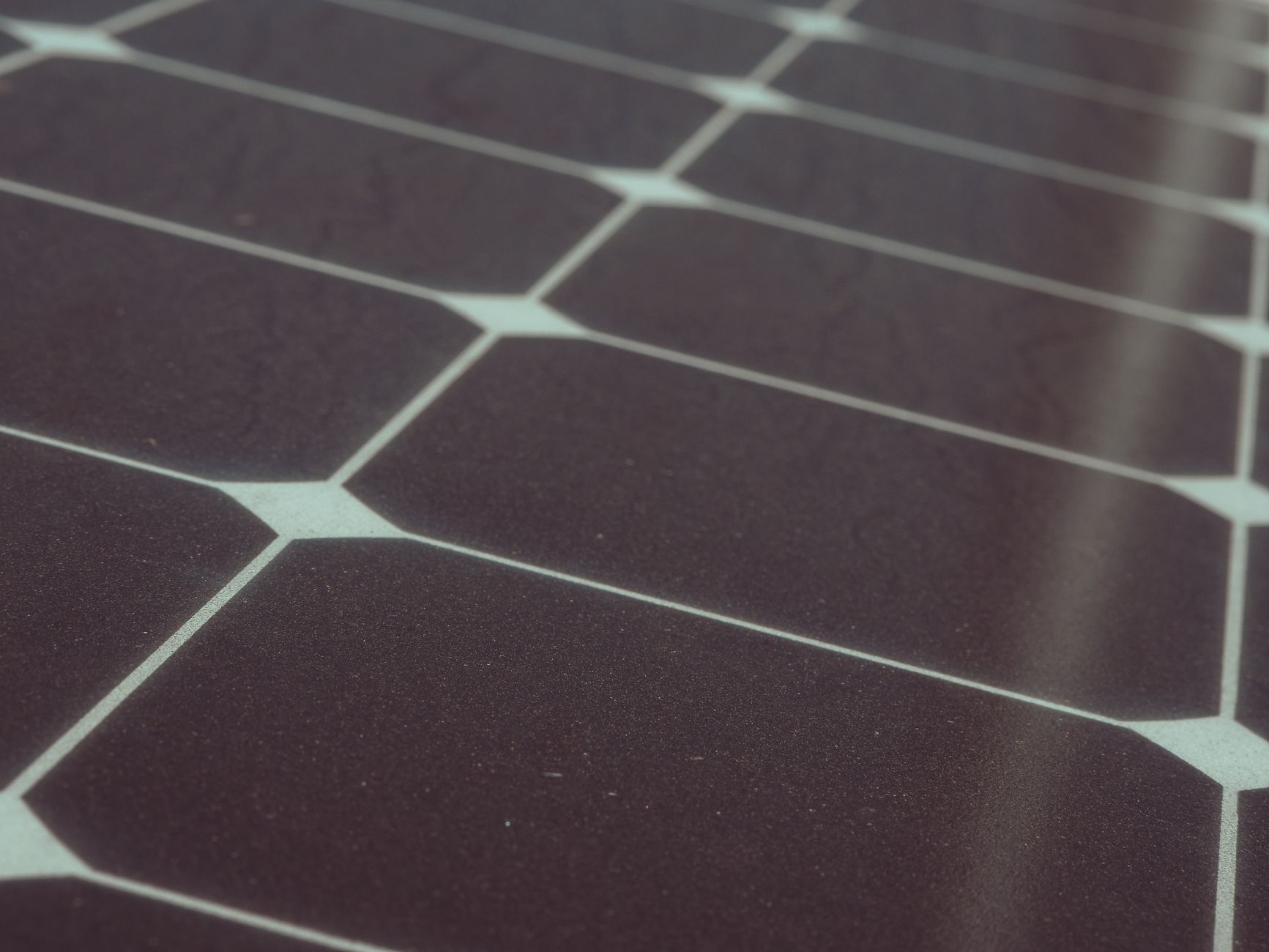
Researchers in the Netherlands have reported a materials science breakthrough involving tin-based compounds that could reshape how solar cells convert sunlight into usable electricity. According to Dutch scientists find tin-based solar breakthrough keeping hot electrons 1,000x longer, the team observed that so-called “hot electrons” generated within the tin-based material remained active for a period reported to be roughly a thousand times longer than what is typically seen in conventional silicon-based solar panels.
Hot electrons are particles that absorb excess energy from sunlight beyond what standard solar cells can capture. In most commercial panels, this surplus energy dissipates as heat within a fraction of a second, effectively wasting a portion of the sun’s potential output. By slowing the rate at which these energised electrons cool down, the Dutch researchers appear to have opened a pathway toward capturing more of that lost energy before it escapes, rather than allowing it to be released harmlessly as warmth.
Why Extended Electron Life Matters for Efficiency
The significance of the finding lies in the fundamental physics of solar energy conversion. Standard photovoltaic cells are constrained by well-established efficiency ceilings, partly because they cannot make use of the extra energy carried by high-energy photons before it is lost. If hot electrons can be kept in their energised state for a much longer window, as this research suggests is possible with tin-based materials, engineers may eventually be able to design solar cells that extract additional electrical current from the same amount of sunlight, without needing larger panels or additional land area.
The research remains at an early, laboratory-based stage, and the source material does not detail a specific timeline for turning the discovery into a commercial product. Converting a materials science observation into a manufacturable solar cell typically involves years of further testing, engineering and scaling work before any efficiency gains reach the market. Even so, the finding adds to a broader body of global research aimed at pushing solar technology past its current performance limits, an area of the wider innovation landscape that continues to attract attention from scientists, manufacturers and investors alike.
For the Gulf region, developments in next-generation solar materials carry particular weight. The UAE and its neighbours have positioned solar power as a central pillar of their energy diversification strategies, backing large-scale photovoltaic projects and clean-energy research as part of broader efforts to reduce reliance on hydrocarbon revenue. Any advance that promises higher efficiency from the same physical footprint of panels would be relevant to a region where land availability and intense solar irradiance already make photovoltaic power a strategic asset. Gulf state-linked energy firms and sovereign investment vehicles have shown sustained interest in emerging solar technologies, and breakthroughs originating in European laboratories often find their way into pilot projects or licensing arrangements involving Gulf partners.
While the tin-based hot-electron discovery is still confined to research settings, its long-term implications extend well beyond the Netherlands. Should the approach prove viable at commercial scale, it could influence how utilities and governments worldwide, including those in the UAE and broader GCC, plan future solar infrastructure investments aimed at extracting more power from existing installations.





