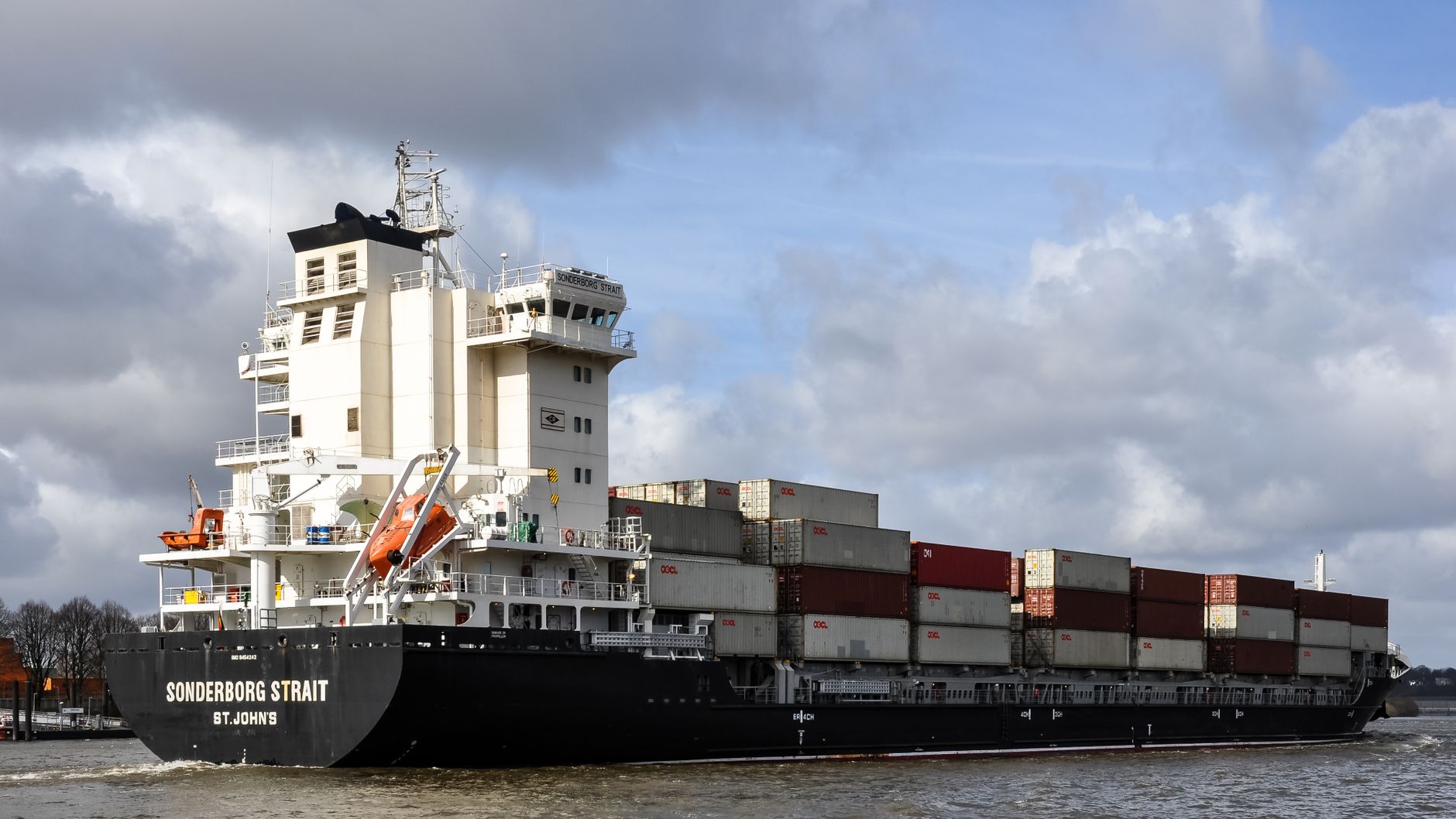
Shipping costs tied to Thai exporters and importers are facing renewed pressure as a prolonged period of US-Iran tension stretches toward the half-year mark, according to reporting out of Bangkok. The friction between Washington and Tehran, which has simmered for months without resolution, is being flagged by trade analysts as a growing source of uncertainty for freight rates, insurance premiums and vessel routing decisions across Asia-bound and Gulf-adjacent shipping lanes.
While the immediate focus of the reporting is on Thailand’s exposure, the underlying dynamic is one familiar to markets across the Middle East: any escalation involving Iran tends to ripple quickly through maritime insurance markets, fuel surcharges and vessel scheduling, given the country’s proximity to some of the world’s busiest oil and container shipping corridors. The original account of the situation, Six-month US-Iran conflict raises Thai shipping cost risks – Nation Thailand, points to how a conflict rooted in one region can steadily reshape cost structures for exporters located thousands of kilometres away, as carriers reassess risk premiums and reroute vessels to avoid exposure.
Why Gulf Trade Watchers Are Paying Attention
For businesses operating in and around the UAE, the situation underscores a long-standing reality: the Strait of Hormuz and surrounding waters remain a chokepoint whose stability directly affects freight costs, energy prices and supply chain planning far beyond the immediate region. Dubai and Abu Dhabi, as major re-export and logistics hubs, are particularly sensitive to shifts in shipping economics, since disruptions or elevated risk premiums in Gulf waters can quickly translate into higher costs for goods moving through the emirates to markets in Asia, Africa and Europe.
Industry observers note that prolonged geopolitical friction involving Iran typically prompts shipping lines and insurers to reassess war-risk premiums for vessels transiting nearby waters, a cost that is often passed down the supply chain to exporters and importers alike. Thailand’s experience, as described in the Nation Thailand report, offers a case study in how such costs can accumulate over an extended period rather than spike sharply overnight, with cumulative effects on trade competitiveness becoming more apparent the longer tensions persist.
Within the broader emirates business landscape, logistics operators and freight forwarders are likely to be monitoring developments closely, given the UAE’s role as a transshipment centre and its reliance on predictable maritime costs to maintain its competitive edge as a regional trade gateway. Any sustained increase in insurance or freight costs linked to the US-Iran standoff could feed into broader regional pricing for goods moving through Jebel Ali and other major Gulf ports, even if the immediate reporting centres on Southeast Asian exposure.
Analysts caution that the full scale of cost pass-through to consumers and businesses depends on how the standoff evolves in the coming months, and whether diplomatic efforts succeed in de-escalating tensions before shipping and insurance costs become further entrenched. For now, the Thai case serves as a reminder that geopolitical developments in one corner of the world can have measurable, if indirect, consequences for trade economics across the Gulf and beyond.