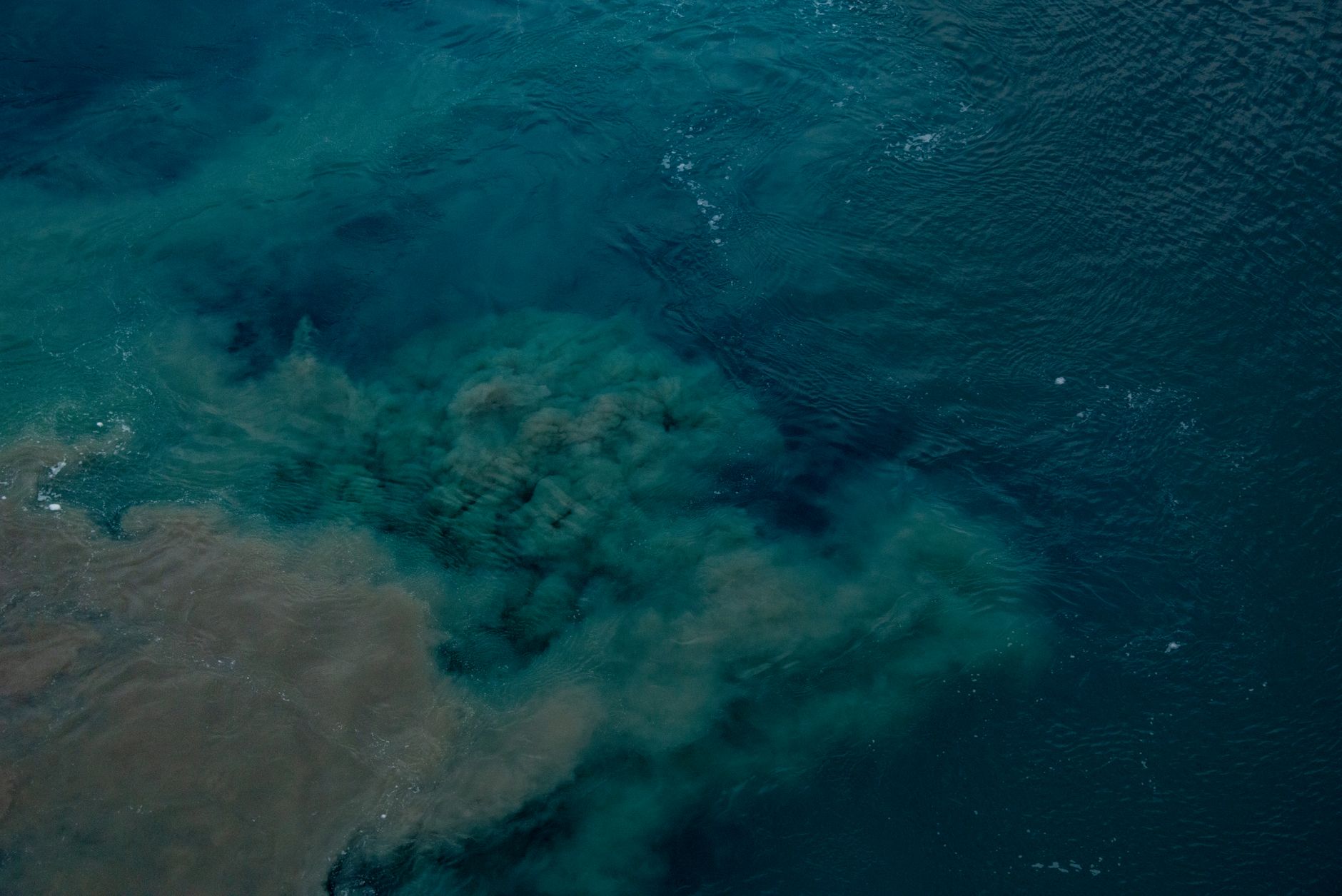
Human activity now contributes more nitrogen to roughly a quarter of the world’s coastal waterways than all natural sources combined, according to new research highlighting the growing scale of human-driven changes to marine environments. The findings point to agricultural runoff, wastewater discharge and industrial activity as key drivers pushing nitrogen levels in rivers and estuaries beyond what natural processes alone would produce, with significant implications for water quality, marine life and coastal economies worldwide.
Nitrogen is a naturally occurring element essential to plant and algae growth, cycling through soil, water and the atmosphere as part of normal ecological processes. However, when large volumes of nitrogen-rich fertiliser, sewage and industrial waste enter waterways, they can overwhelm natural systems, triggering algal blooms, depleting oxygen in the water and creating conditions hostile to fish and other marine species. The research, first reported by the Human activity adds more nitrogen than nature in a quarter of coastal waterways, identifies the Gulf of Mexico among the major hotspots where this imbalance is most pronounced, underscoring how heavily industrialised and agricultural regions are altering coastal chemistry on a global scale.
Why the Findings Matter Beyond the Gulf of Mexico
While the Gulf of Mexico features prominently in the study as one of the most affected regions, the broader pattern described by researchers is a global one, touching coastal zones far beyond North America. Waterways that sit downstream of dense agricultural land use, expanding urban centres and industrial discharge are particularly susceptible to nitrogen loading that exceeds natural background levels. This has consequences for fisheries, tourism-dependent coastlines and the long-term resilience of marine ecosystems that many communities rely on for food security and economic activity.
For the Gulf region and wider GCC states, the study serves as a reminder of the pressures facing coastal and marine environments as populations grow and industrial and agricultural output expands along shorelines. Although the research does not focus on Arabian Gulf waterways specifically, the underlying dynamics—runoff from farming, discharge from urban wastewater systems, and industrial activity near the coast—are relevant to any region managing rapid development alongside sensitive marine habitats, including desalination-dependent economies that depend on stable coastal water quality.
The study adds to a growing body of environmental research documenting how human activity is reshaping natural nutrient cycles at a planetary scale, a theme increasingly relevant to the innovation sector as governments, scientists and technology developers seek new tools for monitoring water quality, treating wastewater more efficiently and reducing agricultural runoff before it reaches sensitive coastal ecosystems. Innovations in precision agriculture, advanced water treatment and real-time environmental monitoring are increasingly viewed as necessary complements to policy measures aimed at curbing nitrogen pollution.
Researchers behind the findings frame the nitrogen imbalance as a signal of broader stress on coastal systems, one that is likely to intensify without coordinated efforts to manage runoff and waste discharge more effectively. As coastal populations continue to grow globally, the study suggests that the gap between natural nitrogen cycling and human-driven inputs could widen further in the absence of stronger mitigation measures, making the issue one that regulators, industry and researchers are likely to continue tracking closely in the years ahead.