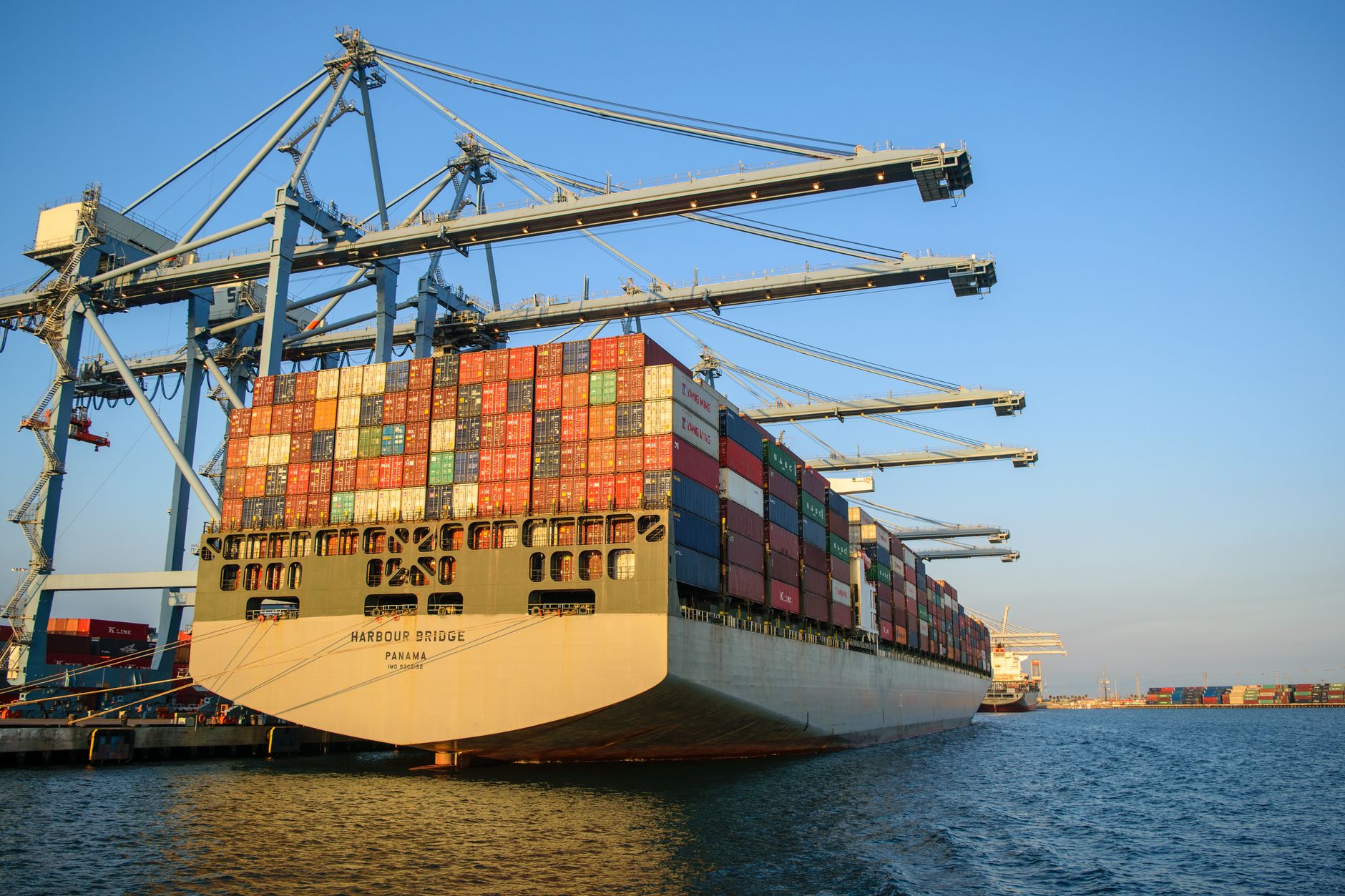
Dubai’s merchant class has continued to move goods through the emirate’s ports and free zones even as tensions tied to the wider Iran conflict have escalated across the region, according to reporting that examined the emirate’s commercial ties to Tehran. The report, originally published as In Dubai, Trade Continues on the Front Lines of the Iran War – New Lines Magazine, points to the resilience of informal and formal trading channels that have long linked Dubai’s markets to Iranian buyers and suppliers, despite years of sanctions pressure and periodic flare-ups in hostilities.
Dubai has for decades served as a commercial bridge between Iran and the wider world, a role rooted in geography, an established Iranian merchant community, and a business environment that has historically tolerated a degree of ambiguity around re-export trade. Gold, foodstuffs, electronics, and other goods have moved through Dubai’s ports and souks toward Iranian markets even as Western sanctions regimes tightened, with traders often relying on intermediaries, alternative currencies, and re-routed shipping documentation to keep flows moving. The persistence of this trade, even during periods of open conflict, underscores how deeply embedded these networks have become in Dubai’s commercial fabric.
Stakes for the Wider Gulf Economy
The continuation of Dubai-Iran trade during a period of heightened regional conflict carries implications well beyond the two parties directly involved. For the UAE, maintaining Dubai’s reputation as a stable, rules-based hub for global commerce is a strategic priority, even as its geographic proximity to Iran and historical trading links complicate that positioning. Analysts and compliance officers tracking sanctions enforcement have repeatedly flagged Gulf trading hubs, including Dubai, as points of vulnerability where goods, cash, and payments tied to sanctioned entities can pass through legitimate-looking commercial channels.
For businesses and residents across the UAE and the broader emirates, the durability of this trade during wartime conditions raises questions about regulatory oversight, banking exposure, and the reputational risk facing free zones that market themselves to international investors. Financial institutions operating in Dubai have faced growing scrutiny from Western regulators over their compliance frameworks, particularly where transactions touch Iranian counterparties, and any perception that sanctions are being circumvented through the emirate could invite additional scrutiny of UAE-based banks and trading firms.
At the same time, the episode highlights the practical realities facing merchants and logistics operators in a region where conflict and commerce frequently intersect. Dubai’s free zones, ports, and gold markets have weathered previous rounds of sanctions and confrontation involving Iran, adapting trading practices rather than halting activity outright. Whether current tensions prompt a similar pattern of adaptation, or a more decisive shift by UAE authorities and their international partners to tighten enforcement, is likely to shape how the emirate’s commercial relationship with Iran evolves in the coming months, with consequences for traders, banks, and policymakers watching the Gulf’s exposure to a widening conflict.