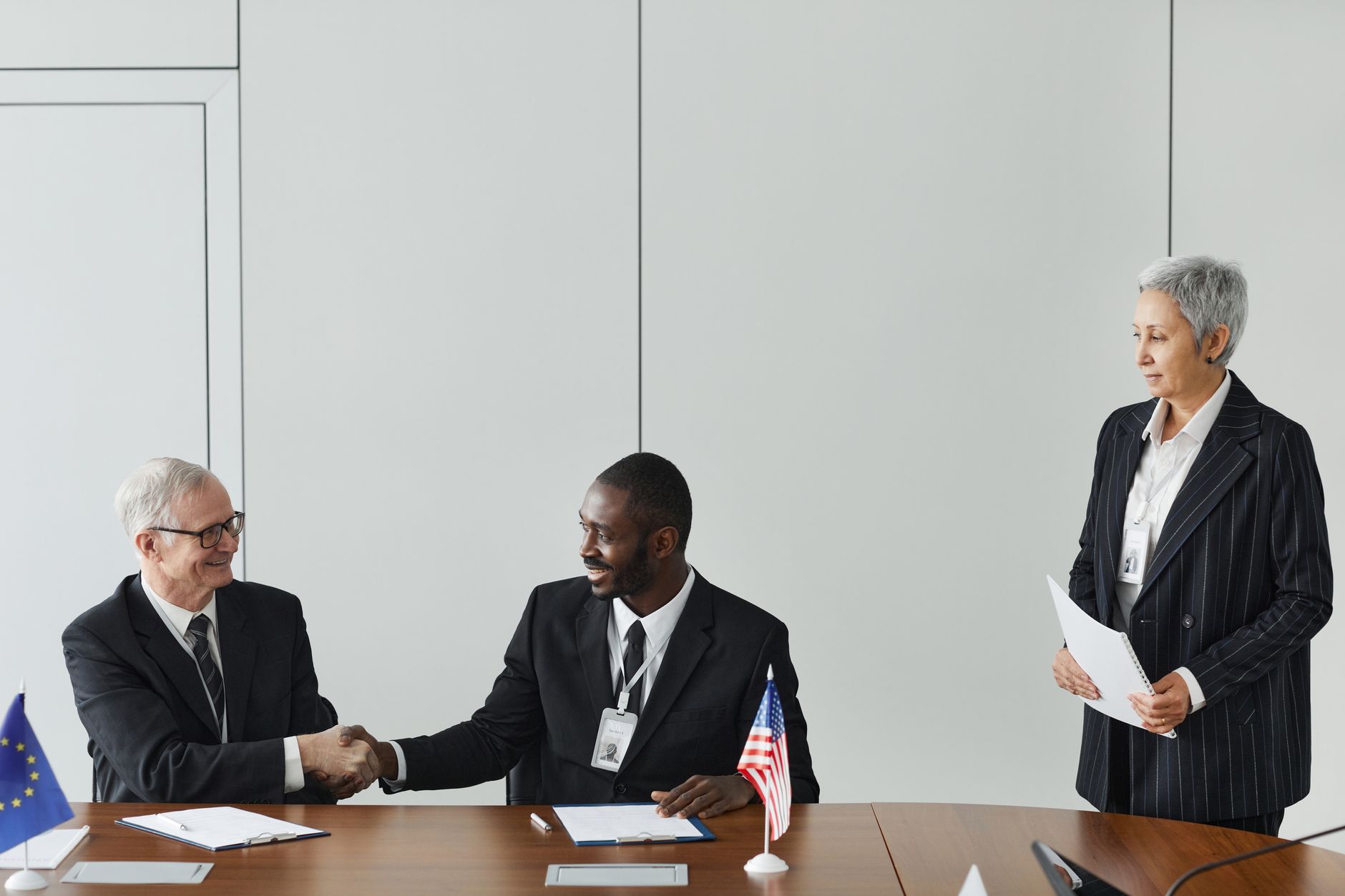
UAE President Sheikh Mohamed bin Zayed Al Nahyan held talks with German Chancellor Friedrich Merz to reaffirm the strategic partnership between Abu Dhabi and Berlin, with both leaders underscoring their commitment to expanding cooperation across a broad range of sectors. The engagement forms part of a continuing pattern of high-level dialogue between the two countries, which have built an increasingly substantive relationship over the past decade spanning trade, energy, technology and defense.
While the exact agenda items discussed during the talks were not detailed publicly, officials in both capitals have consistently described the UAE-Germany relationship as a strategic partnership, a designation that typically implies coordination across economic, security and diplomatic channels rather than a narrow, single-issue engagement. The latest exchange between Sheikh Mohamed and Merz signals that both sides intend to maintain the momentum of that framework, even as global economic and geopolitical conditions continue to shift.
Germany has emerged as one of the UAE’s most significant European partners, with business, technology and defense-sector links that have expanded steadily in recent years. Berlin’s engagement with Gulf states has taken on added importance as Germany, under Merz’s leadership, works to reposition its foreign and economic policy toward key partners in the Middle East, a region that has grown more central to European strategies on energy security, supply chains and diplomatic influence.
Why the Gulf Relationship Matters
For the UAE, sustained engagement with Germany fits into a broader strategy of diversifying international partnerships beyond traditional allies, positioning the country as a bridge between Gulf capital and technology ambitions and European industrial and manufacturing expertise. Abu Dhabi has in recent years pursued closer ties with major European economies as part of efforts to attract foreign investment, support its non-oil economic diversification agenda, and strengthen its role as a regional hub for trade and innovation.
German companies have long maintained a presence in the UAE across sectors including automotive technology, industrial manufacturing and renewable energy, while German policymakers have increasingly looked to Gulf sovereign wealth and investment vehicles as sources of capital and long-term economic partnership. Energy cooperation has also featured prominently in the relationship, with Germany’s push to diversify its energy supplies following disruptions to traditional sources adding further weight to ties with Gulf energy producers such as the UAE.
Analysts of Gulf-Europe relations note that reaffirmations of strategic partnerships at the head-of-state level, even absent detailed public announcements of new agreements, tend to signal continuity and stability in bilateral relations rather than a shift in direction. For UAE and wider GCC audiences, the significance of such engagements lies less in immediate policy announcements and more in the consistent signaling that Gulf states remain priority partners for major European economies navigating a more fragmented global order.
No specific new agreements or initiatives were announced following the discussions between Sheikh Mohamed and Merz. However, the meeting is expected to be followed by continued diplomatic and economic engagement between the two governments, consistent with the established pattern of UAE-Germany relations in recent years. Officials on both sides have signaled an intent to keep expanding areas of cooperation, reflecting the UAE’s broader push to deepen its network of strategic partnerships across Europe and beyond.