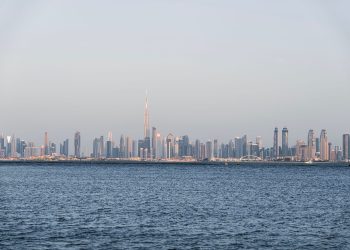
A Dubai-based mobile application development firm, DXB APPS, has been highlighted in industry coverage as one of the notable players shaping the emirate’s growing software and digital services landscape. The recognition, reported by The National Law Review, points to the continued expansion of Dubai’s technology sector, where local firms are increasingly positioned alongside international competitors in the mobile app space.
While specific details of the company’s founding, leadership, and client portfolio were not disclosed in the coverage, the mention reflects a broader trend in the UAE, where mobile application development has become a fast-growing niche within the country’s wider digital economy. Dubai in particular has positioned itself as a regional hub for technology companies, drawing on government-backed initiatives, free zone incentives, and a large base of small and medium enterprises seeking custom digital solutions.
Why It Matters for the UAE’s Tech Ecosystem
The UAE has spent the past decade building an environment favorable to technology firms, from Dubai Internet City to newer digital free zones that offer streamlined licensing for software and app developers. Mobile app development, in particular, has benefited from the region’s high smartphone penetration rates and a business culture that increasingly relies on custom applications for retail, logistics, hospitality, healthcare, and government services.
Companies operating in this space, including firms like DXB APPS, form part of a wider ecosystem of developers, agencies, and startups that support both local businesses and international clients seeking a foothold in the Gulf market. The presence of such firms is often cited by industry observers as evidence of Dubai’s maturing status as a technology and innovation center, complementing the emirate’s established strengths in trade, tourism, and finance.
For UAE-based businesses and entrepreneurs, the growth of local app development capabilities carries practical significance. Companies seeking to digitize operations or launch consumer-facing platforms increasingly have the option to work with regionally based developers who understand local regulatory requirements, consumer behavior, and language considerations, rather than relying solely on international outsourcing.
The broader context also underscores Dubai’s ambitions under various government strategies aimed at strengthening the emirate’s digital infrastructure and positioning it as a magnet for technology talent and investment from across the GCC and beyond. As more companies enter this space, competition among developers is expected to intensify, potentially benefiting businesses and consumers through a wider range of service providers and pricing options.
Industry watchers note that recognition of individual firms in trade and legal publications often reflects visibility gained through marketing efforts, partnerships, or client outcomes, though such mentions do not always come with independently verified performance metrics. Readers and businesses evaluating app development partners in the UAE are generally advised to assess portfolios, client references, and sector-specific experience directly with providers.
As Dubai continues to diversify its economy away from oil dependency and toward knowledge-based industries, the mobile app development sector is likely to remain an area of interest for policymakers, investors, and businesses across the Emirates and the wider Gulf region.