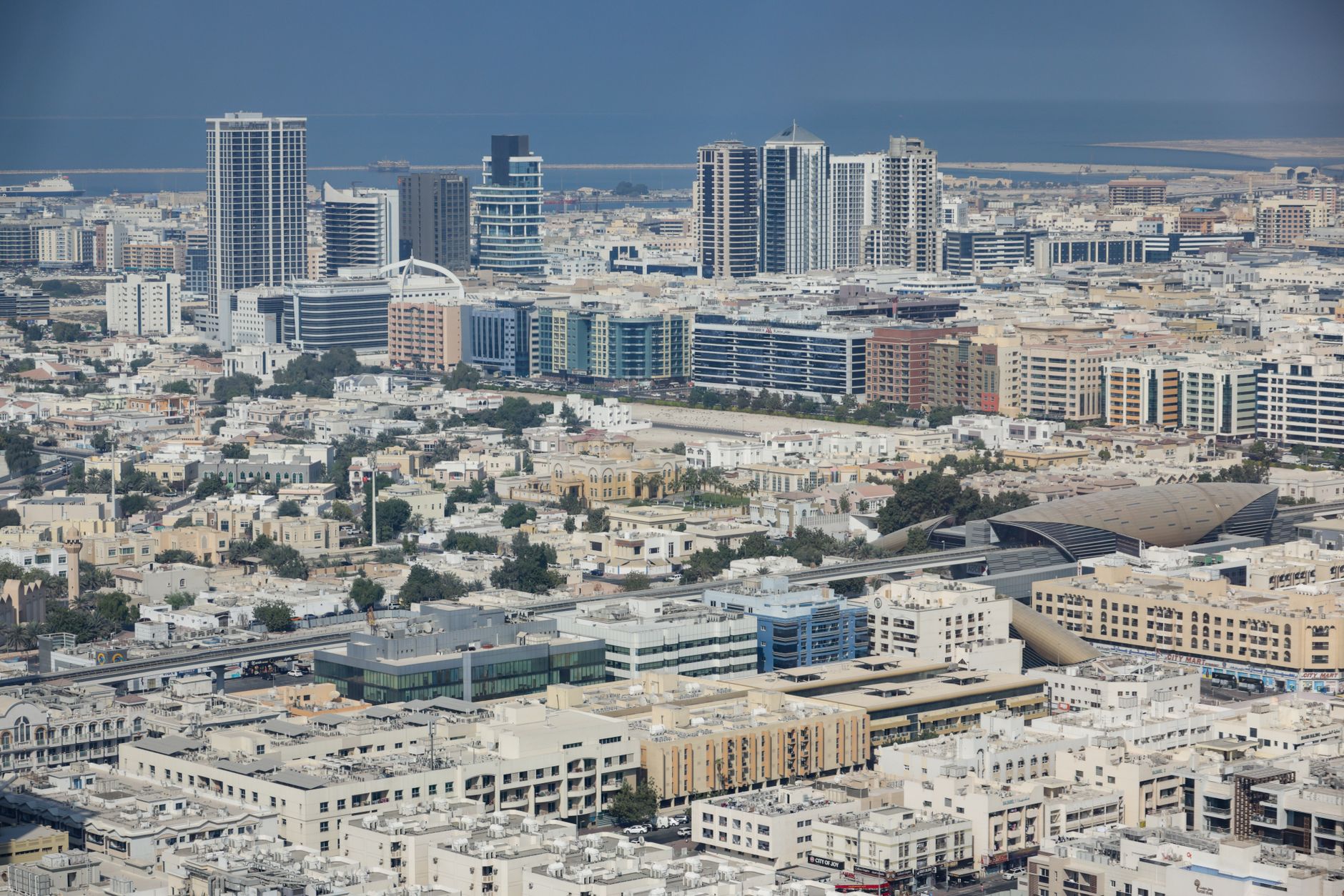
The United Arab Emirates and the wider Gulf Cooperation Council region remain a focal point for international investors navigating a shifting global economic environment. Sovereign wealth funds, private equity firms and institutional investors based in Abu Dhabi, Dubai and other regional hubs continue to allocate capital across sectors including real estate, technology, energy transition and financial services, reflecting the region’s ongoing efforts to diversify away from traditional oil-dependent revenue streams.
Market participants across the Gulf have pointed to a combination of factors sustaining investor interest in the region: relatively stable regulatory frameworks, ambitious national economic diversification strategies, and the presence of deep-pocketed sovereign funds willing to co-invest alongside global partners. The UAE, in particular, has positioned itself as a gateway for capital flows between East and West, leveraging its geographic location, business-friendly free zones and growing reputation as a hub for fintech, artificial intelligence and clean energy ventures.
Fintech, Energy Transition and Real Estate Remain Key Focus Areas
Within the broader investment ecosystem, fintech continues to attract attention from both regional and international backers, as Gulf-based digital banking platforms, payment processors and blockchain ventures seek to capitalize on rising smartphone penetration and government-led digitalization initiatives. Regulatory bodies across the UAE and Saudi Arabia have in recent years introduced frameworks aimed at fostering innovation in financial technology while maintaining oversight consistent with international standards.
Energy transition investments have similarly gained prominence, as Gulf states pursue net-zero commitments alongside continued hydrocarbon production. Renewable energy projects, green hydrogen initiatives and carbon capture ventures have featured in regional investment discussions, often backed by state-linked entities seeking to position the Gulf as a leader in both traditional and emerging energy markets.
Real estate remains another pillar of investor activity, with Dubai’s property market in particular continuing to draw attention from international buyers and institutional investors alike. Analysts have noted that population growth, infrastructure development and policy reforms around residency and property ownership have contributed to sustained demand in key emirates.
For UAE and GCC-based readers, the broader significance lies in the region’s continued transformation into a diversified investment destination rather than one reliant solely on energy exports. Local investors, family offices and institutional funds are increasingly participating alongside international counterparts in cross-border deals, reflecting growing sophistication in the region’s capital markets.
Expatriates and residents across the Gulf are also likely to feel indirect effects of these investment trends, whether through employment opportunities created by new ventures, shifts in property markets, or the broader economic diversification efforts that underpin government policy across the region. As global capital continues to seek stable, growth-oriented markets, the UAE and its neighbors are expected to remain central to conversations about where international investment is heading next.
Further details on specific transactions, fund allocations or regulatory changes are expected to emerge as regional authorities and market participants continue to shape the investment narrative in the months ahead.