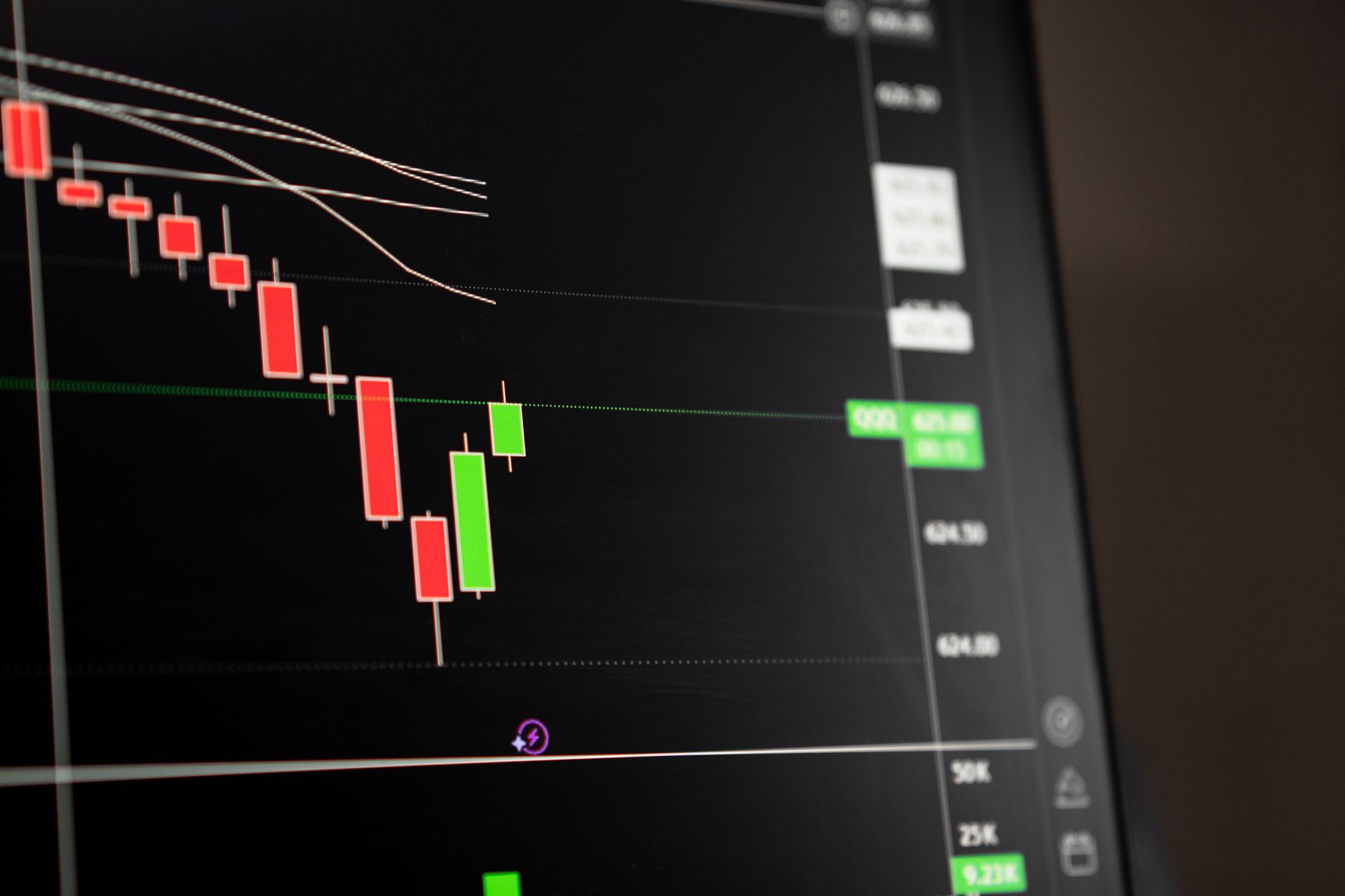
Investors across the UAE and wider Gulf region continue to navigate a fast-changing landscape this year, as capital flows into diversified sectors ranging from technology and renewable energy to real estate and financial services. While no single announcement dominates the news cycle this week, the broader pattern of activity underscores a region actively repositioning itself as a hub for global investment amid shifting economic conditions worldwide.
A Region in Transition
The UAE, alongside Saudi Arabia and other Gulf Cooperation Council members, has spent recent years pursuing economic diversification strategies designed to reduce dependence on hydrocarbon revenues. Sovereign wealth funds, private equity firms and family offices based in the region have steadily broadened their portfolios, seeking exposure to sectors such as artificial intelligence, clean energy, logistics and consumer technology. This diversification push has been paired with regulatory reforms aimed at making local markets more attractive to foreign capital, including streamlined business licensing, expanded free zones and updated foreign ownership rules.
Analysts tracking regional markets note that Gulf investors have grown increasingly comfortable allocating capital both domestically and abroad, while international investors have shown sustained interest in Gulf-based opportunities, drawn by relative economic stability, favorable tax environments and ambitious infrastructure and innovation programs tied to national development visions such as the UAE’s economic agenda and Saudi Arabia’s Vision 2030.
At the same time, global macroeconomic factors — including interest rate policy, energy price fluctuations and geopolitical developments — continue to shape investment sentiment. Gulf markets, given their close ties to global energy trade and their growing role as intermediaries between East and West, remain sensitive to these broader currents even as local authorities work to insulate economies through diversification.
Why It Matters for Gulf Investors
For UAE-based and GCC investors, the ongoing recalibration of capital flows carries direct implications. Family offices, institutional investors and retail participants alike are watching how sectors such as fintech, artificial intelligence, renewable energy and real estate perform amid a backdrop of tightening global liquidity in some markets and continued government-backed spending in others. The region’s positioning as a bridge between emerging and developed markets means that Gulf-based capital pools are increasingly courted by international fund managers seeking co-investment partners for large-scale projects.
Regional stock exchanges, including those in Abu Dhabi, Dubai and Riyadh, have also drawn attention as companies explore public listings to raise growth capital, reflecting broader confidence in the depth and liquidity of Gulf capital markets. Meanwhile, cross-border investment agreements and trade partnerships being pursued by UAE authorities with international counterparts continue to expand the avenues available to both inbound and outbound investors based in the region.
For everyday investors and expatriates living in the UAE, these developments matter because they influence job creation, property markets, banking products and the broader economic environment in which residents plan long-term financial decisions. A more diversified, resilient regional economy can translate into steadier employment prospects and a wider range of investment vehicles available locally, from real estate investment trusts to venture capital-backed startups.
As the year progresses, market participants say they will be watching for further clarity on interest rate trajectories, energy market dynamics and the pace of regulatory reform across Gulf jurisdictions — all factors likely to shape where and how capital moves next. While specific transactions and announcements will continue to make headlines individually, the underlying story remains one of a region methodically building the infrastructure, regulatory frameworks and investor relationships needed to sustain its ambitions as a global capital destination.