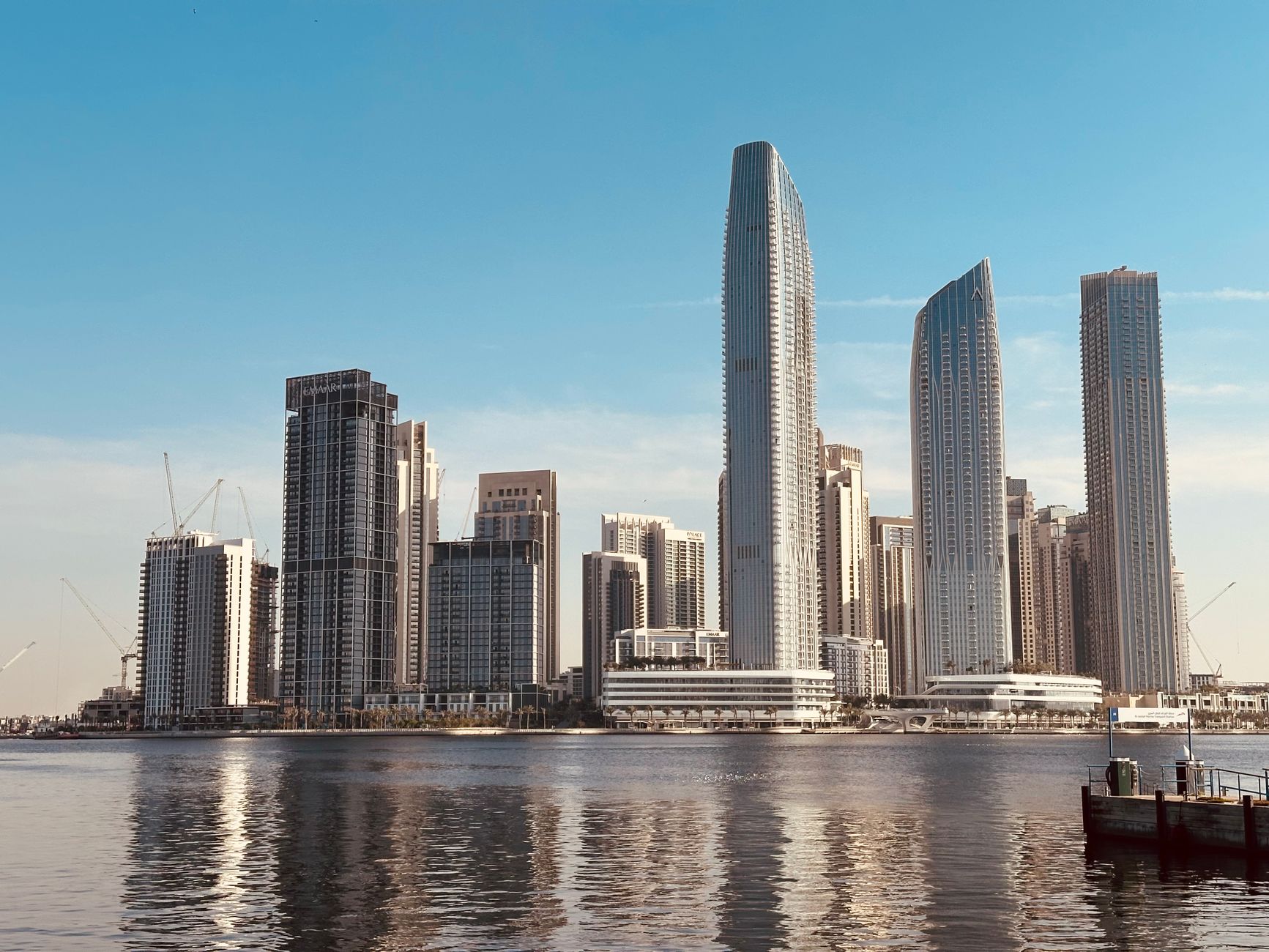
Dubai continues to draw international attention as a base for digital and technology-driven businesses, with recent commentary from European media pointing to the emirate’s growing reputation as a hub for companies looking to expand operations beyond traditional Western and Asian markets. While specific rankings or data points behind the latest coverage were not detailed, the broader narrative aligns with years of deliberate government policy aimed at positioning Dubai as a magnet for digital entrepreneurs, remote workers and technology firms.
The emirate’s appeal typically rests on a combination of factors that have been repeatedly cited by international observers and business groups: a strategic geographic location bridging Europe, Asia and Africa, a tax environment favourable to corporations and individuals, robust digital infrastructure, and a regulatory push toward streamlined business licensing. Dubai’s government has, over recent years, rolled out initiatives such as long-term visas for entrepreneurs and remote workers, free zones tailored to technology and media companies, and digital-first government services designed to reduce the friction of setting up and running a business.
Why It Matters for the UAE and Wider Gulf
For the UAE, continued recognition of Dubai as a competitive digital business destination reinforces a core pillar of the country’s economic diversification strategy, which has sought to reduce reliance on oil revenues by building out sectors such as fintech, e-commerce, artificial intelligence and digital media. Abu Dhabi and other emirates have pursued parallel efforts, but Dubai has often served as the most visible face of this transformation to international audiences, particularly in Europe, where outlets like Euronews carry influence among business decision-makers and prospective investors.
Expats and entrepreneurs across the GCC region stand to benefit indirectly from this positioning. As Dubai strengthens its case as a digital business hub, it tends to attract more foreign direct investment, talent and startup activity, which in turn generates opportunities for regional suppliers, service providers and skilled professionals based elsewhere in the Gulf. Neighbouring hubs such as Riyadh, Doha and Manama have also stepped up efforts to attract technology firms, meaning Dubai’s continued visibility in international media serves as both a benchmark and a competitive prompt for other Gulf cities pursuing similar ambitions.
Analysts tracking the region’s business landscape note that coverage of this kind, even when framed generally, tends to reinforce investor confidence at a time when global companies are reassessing where to locate regional headquarters, particularly amid economic uncertainty in parts of Europe and Asia. Dubai’s ability to offer stability, connectivity and a business-friendly regulatory environment has repeatedly been cited as a differentiator compared to other emerging digital hubs.
For residents and businesses already operating in Dubai, the practical implications include continued government investment in digital infrastructure and services, as well as sustained competition among free zones and government entities to offer incentives to technology-focused companies. The emirate’s Department of Economy and Tourism, along with entities overseeing free zones such as Dubai Internet City and Dubai Multi Commodities Centre, have historically played central roles in shaping the incentives and services available to digital businesses.
As global attention on Dubai’s digital economy persists, officials and business groups in the UAE are likely to continue promoting the emirate’s advantages to international audiences, reinforcing its position within a broader Gulf-wide race to attract technology investment and talent.