The success or failure of Washington’s renewed effort to squeeze Iran’s economy may hinge on developments far from Tehran or Washington — specifically, on the extent to which Dubai’s vast trading and financial networks can be closed off to sanctioned Iranian commerce, according to a report by The Wall Street Journal. The emirate’s decades-long role as a conduit for goods, cash and services moving in and out of Iran has again come under scrutiny as US officials revisit measures aimed at cutting off revenue streams that support Tehran’s government.
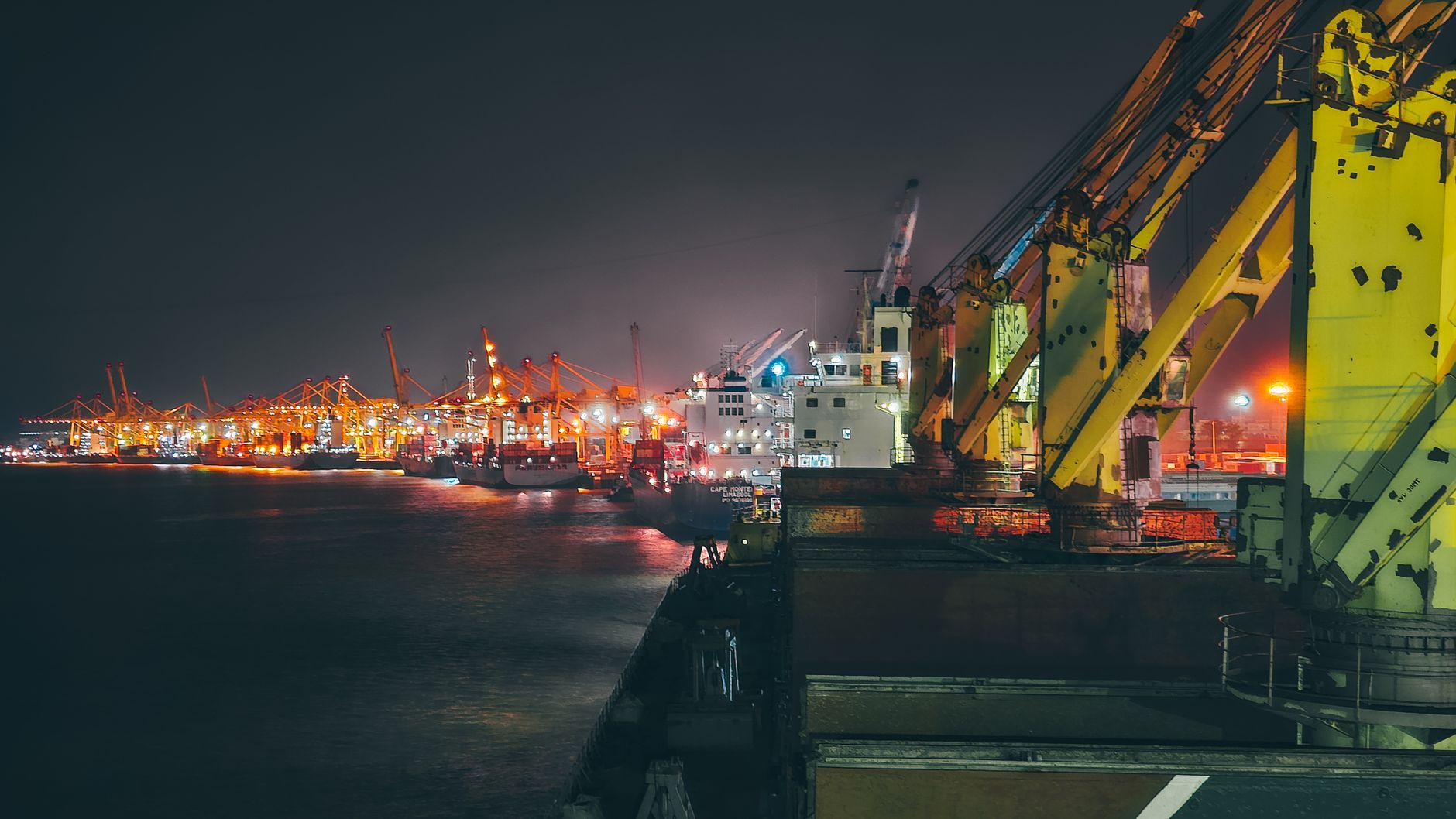
Dubai has long served as one of the most significant commercial gateways between Iran and the rest of the world, owing to its proximity across the Gulf, its free-trade zones, and its deep-rooted merchant community with historical ties to Iranian business families. For decades, goods ranging from consumer electronics to industrial equipment have moved through Dubai’s ports and markets before making their way to Iranian buyers, often through informal or intermediary channels that complicate enforcement of international sanctions regimes.
Why Gulf Compliance Matters for Sanctions Enforcement
Any renewed US sanctions push targeting Iran’s economy is likely to depend heavily on cooperation from financial institutions, trading houses and free-zone authorities operating in Dubai and the broader UAE. Analysts have previously noted that even tightly drafted sanctions can lose their bite if goods, currency or trade financing can still flow through jurisdictions with high volumes of re-export activity and limited transparency into ultimate beneficiaries of transactions.
The UAE has in recent years taken steps to strengthen its anti-money-laundering framework and improve oversight of trade finance, partly in response to earlier international scrutiny of its exposure to sanctions evasion risks. Regulatory bodies overseeing free zones and banks have expanded compliance requirements, and authorities have pointed to enhanced due diligence procedures as evidence of tighter controls. Even so, the sheer scale and complexity of Dubai’s trading ecosystem — encompassing gold markets, used-car exports, textiles and re-export of consumer goods — means that fully sealing off channels that could benefit sanctioned Iranian entities remains a persistent challenge for regulators and enforcement agencies alike.
For the UAE, the stakes extend beyond compliance optics. Dubai’s identity as a global logistics and financial hub depends on maintaining the confidence of international banks, correspondent institutions and investors who require assurance that the emirate’s markets are not being used to circumvent US sanctions. Any perception that Dubai-based entities are facilitating sanctions evasion could carry reputational and financial consequences, including tighter due diligence demands from Western banks or restricted access to US dollar-clearing services — a risk regulators in the UAE have sought to avoid through incremental tightening of oversight in recent years.
At the same time, Gulf officials have generally sought to balance robust commercial ties with Iran — a large neighboring market — against the need to remain aligned with US and international sanctions frameworks, given the UAE’s broader strategic and economic partnership with Washington. That balancing act is expected to come under renewed pressure if US authorities move forward with a more assertive sanctions campaign, placing additional scrutiny on trade flows passing through Dubai’s ports, free zones and financial institutions.
While the precise mechanics of any new US measures were not detailed, the emphasis placed on Dubai’s role underscores a recurring theme in Iran sanctions policy: enforcement success often depends less on the sanctions themselves than on the willingness and capacity of intermediary trading hubs to close the gaps through which restricted trade has historically flowed.