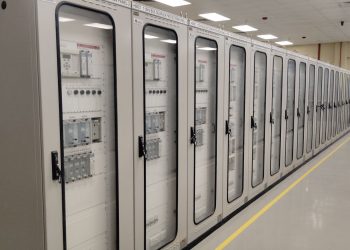
A newly reported research initiative is applying artificial intelligence to safeguard highway infrastructure from cyberattacks, as transportation networks around the world become increasingly reliant on digital sensors, connected traffic signals and automated control systems. The project, highlighted by the research news platform Newswise, reflects a broader push within the transportation and cybersecurity sectors to treat roadways not just as physical infrastructure but as digital systems that require active defense against intrusion.
Modern highways increasingly depend on networked technology to manage traffic flow, monitor road conditions and communicate with vehicles equipped with connected or autonomous driving features. That connectivity, while improving efficiency and safety in normal operation, also creates new entry points for malicious actors seeking to disrupt traffic systems, manipulate sensor data or interfere with the operation of critical infrastructure. The initiative described in the report positions AI as a tool for identifying such threats before they can cause physical-world disruption, effectively bridging the gap between software-based security operations and hardware embedded along physical road corridors.
Why Smart-Highway Security Matters for the Gulf
While the project itself has not been detailed with specific institutional partners, technical architecture or deployment timelines in available reporting, the underlying concern is directly relevant to the Gulf region. UAE and Saudi Arabia have both made large-scale investments in smart transportation infrastructure as part of broader smart city and digital economy strategies, including connected traffic management systems, intelligent signage and early-stage autonomous vehicle trials in urban and highway settings. As these systems expand, so does the potential attack surface for cyber threats targeting transportation networks.
Highway and transport authorities across the GCC have in recent years prioritized digitization of mobility infrastructure, from sensor-equipped smart corridors to integrated traffic operation centers designed to reduce congestion and improve road safety. Cybersecurity officials in the region have separately flagged critical infrastructure, including transportation systems, as a priority area for protection amid rising global rates of infrastructure-targeted cyberattacks. A successful model for using AI to detect and respond to intrusions in highway systems could offer a template applicable to Gulf smart-city programs, many of which similarly rely on networked sensors and automated control systems to manage traffic and public safety functions.
Industry observers note that as vehicles themselves become more connected — through telematics, over-the-air software updates and vehicle-to-infrastructure communication — the security of the surrounding road network becomes as important as the security of the vehicles. A compromised traffic signal system, sensor network or highway monitoring platform could, in theory, be exploited to cause real-world safety incidents rather than simply data theft, raising the stakes compared with conventional IT breaches.
The reported use of artificial intelligence in this context points to a growing trend of applying machine learning techniques to detect anomalies in real time across large, distributed physical infrastructure networks, rather than relying solely on traditional perimeter-based cybersecurity defenses. Such approaches are increasingly used in sectors like energy and utilities, and their extension to transportation infrastructure reflects the convergence of operational technology and cybersecurity disciplines.
Further technical details about the specific AI models, funding sources or pilot deployment locations tied to the project were not immediately available. As smart transportation initiatives continue to expand globally and within the Gulf, however, the intersection of artificial intelligence and infrastructure security is expected to remain a focus area for both researchers and regional planners seeking to protect increasingly digitized road networks.