Abu Dhabi’s real estate sector has reached a significant performance benchmark earlier than many analysts had projected, according to property market observers tracking the emirate’s residential and commercial segments. The development underscores the pace at which the capital’s property market has matured over recent years, positioning it as an increasingly prominent player alongside Dubai within the UAE’s broader real estate landscape.
While the precise figures behind the milestone were not fully detailed, market watchers note that Abu Dhabi has been on a sustained upward trajectory, driven by a combination of population growth, infrastructure investment, and policy reforms aimed at attracting long-term residents and foreign capital. The emirate’s Department of Municipalities and Transport, along with major master developers, have continued to roll out new residential and mixed-use projects designed to meet rising demand from both end-users and investors.
Industry participants attribute the accelerated performance to a combination of factors, including sustained demand for freehold properties, growth in off-plan sales, and continued interest from overseas buyers seeking exposure to the UAE property market. Abu Dhabi’s positioning as a stable, well-regulated jurisdiction with strong government backing has increasingly appealed to investors looking for alternatives to more saturated markets elsewhere in the region.
Why the Milestone Matters for the Gulf
For regional stakeholders, the early achievement of this benchmark carries implications beyond Abu Dhabi’s borders. The UAE capital’s property market has traditionally moved at a steadier, more measured pace compared to Dubai’s more volatile cycles, making this acceleration notable to economists and investors tracking diversification trends across the Gulf Cooperation Council.
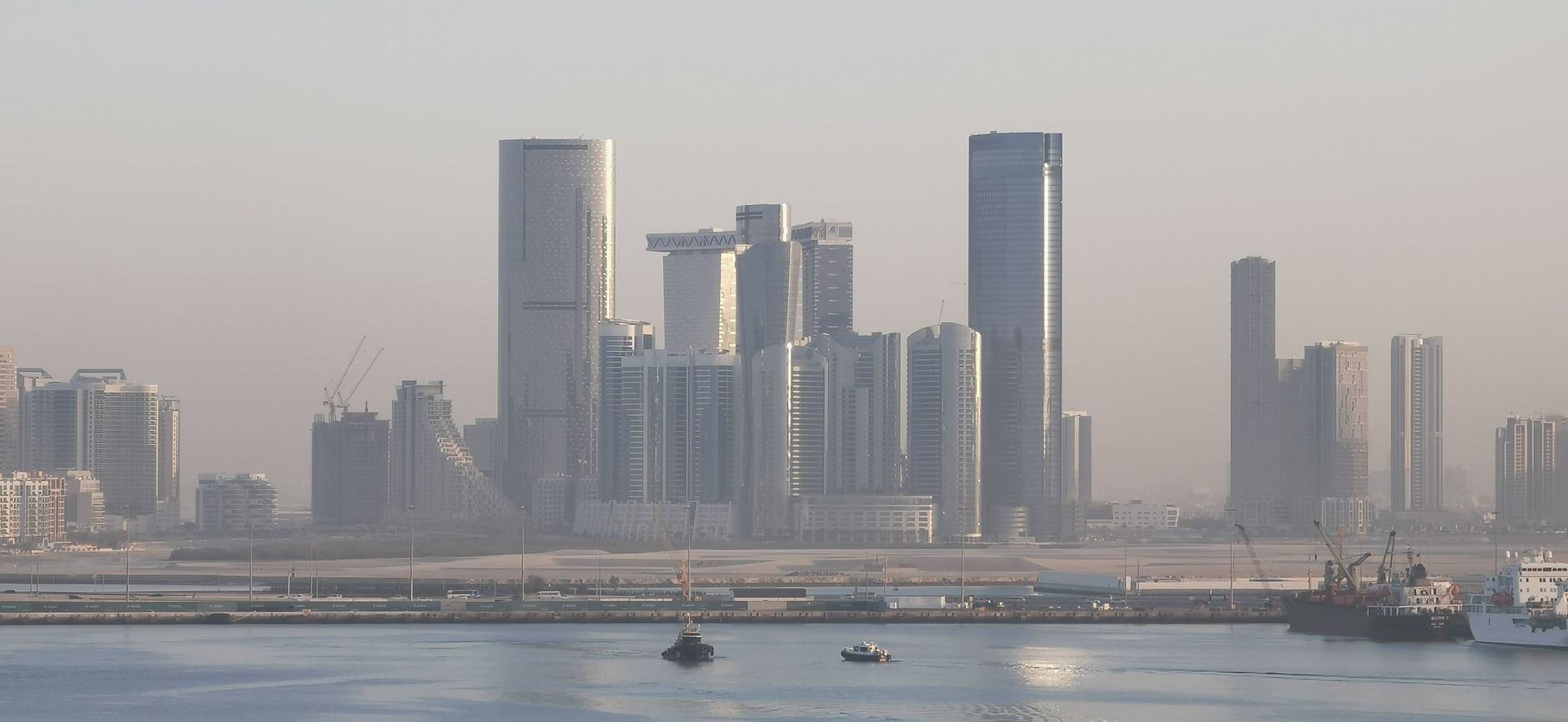
Abu Dhabi’s growth also reflects broader shifts within the UAE economy as the emirate continues to diversify away from hydrocarbon revenues, with real estate and construction forming a key pillar of that strategy under Abu Dhabi Vision 2030. Government-led initiatives to expand freehold ownership zones, streamline visa pathways for property investors, and support large-scale developments on Yas Island, Saadiyat Island, and Al Reem Island have all contributed to sustained buyer interest.
Regional developers and financial institutions are likely to watch the trend closely, given its potential implications for mortgage lending, construction activity, and ancillary sectors such as hospitality and retail. Should the momentum continue, Abu Dhabi could see increased competition with other Gulf capitals, including Riyadh and Doha, both of which have been ramping up real estate development as part of their own economic diversification agendas.
Analysts caution that while early milestones are encouraging, sustained performance will depend on broader macroeconomic conditions, including global interest rate movements, oil price stability, and continued population inflows into the UAE. Nonetheless, the early achievement signals growing confidence in Abu Dhabi’s property market fundamentals, reinforcing the emirate’s ambitions to become a leading regional hub for real estate investment.
Further details on the specific data behind the milestone, including transaction volumes and price benchmarks, are expected to be clarified as official quarterly reports from Abu Dhabi’s real estate regulatory bodies are released in the coming weeks.