Real estate figure Satish Sanpal has weighed in on what separates property markets that endure economic cycles from those prone to boom-and-bust volatility, according to a report circulated via StreetInsider. While the specific framework he laid out centres on three core principles, the broader commentary reflects a growing conversation within the global property sector about what constitutes genuine, long-term market durability rather than short-term price appreciation driven by speculation.
Sanpal’s remarks come at a time when real estate markets worldwide are under scrutiny following years of interest-rate volatility, shifting migration patterns, and uneven recovery from pandemic-era disruptions. Analysts and practitioners across major property hubs have increasingly focused on structural fundamentals—rather than transaction volumes or headline price growth alone—as the true measure of a market’s staying power. Commentary of this kind typically points to the importance of transparent regulatory frameworks, sustained infrastructure and economic investment, and diversified sources of demand that are not overly reliant on a single buyer segment or nationality.
Such principles are widely discussed among developers, brokers, and policymakers seeking to avoid the kind of sharp corrections that have historically affected property markets after periods of rapid, unchecked growth. The emphasis on durability over speed of appreciation reflects a maturing view within the industry that stability, liquidity, and investor confidence are built over years, not quarters.
Why the Debate Resonates in the UAE and Wider Gulf
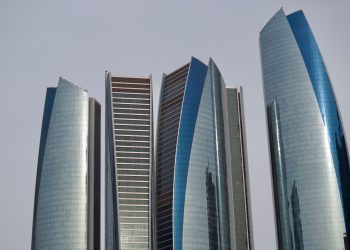
For readers across the UAE and the broader Gulf Cooperation Council region, the question of what makes a property market “built to last” carries direct relevance. Dubai and Abu Dhabi have both experienced sustained real estate activity in recent years, driven by population growth, foreign investment inflows, and government-led initiatives around residency, business licensing, and infrastructure development. Regulators in the UAE have repeatedly stressed the importance of transparency and long-term planning as tools to prevent the kind of volatility that affected the market in previous cycles.
Authorities such as the Dubai Land Department and the Real Estate Regulatory Agency (RERA) have introduced escrow account requirements, off-plan sales regulations, and data disclosure mechanisms aimed at reinforcing exactly the kind of structural stability that industry commentators like Sanpal reference when discussing durable markets. Similarly, Abu Dhabi’s real estate regulators have pursued policies intended to diversify the buyer base and support sustained, rather than speculative, demand.
As Gulf economies continue efforts to diversify away from hydrocarbon dependence, property markets in the region are increasingly viewed as a barometer of broader economic confidence. Discussions around the fundamentals of market resilience—regulatory clarity, infrastructure investment, and demand diversification—therefore resonate strongly with investors, developers, and policymakers across the UAE and neighbouring Gulf states, who continue to position their real estate sectors for long-term growth rather than short-term speculative cycles.