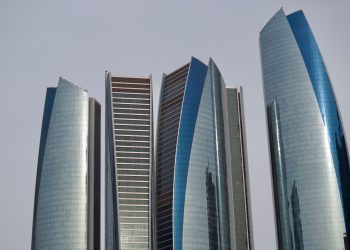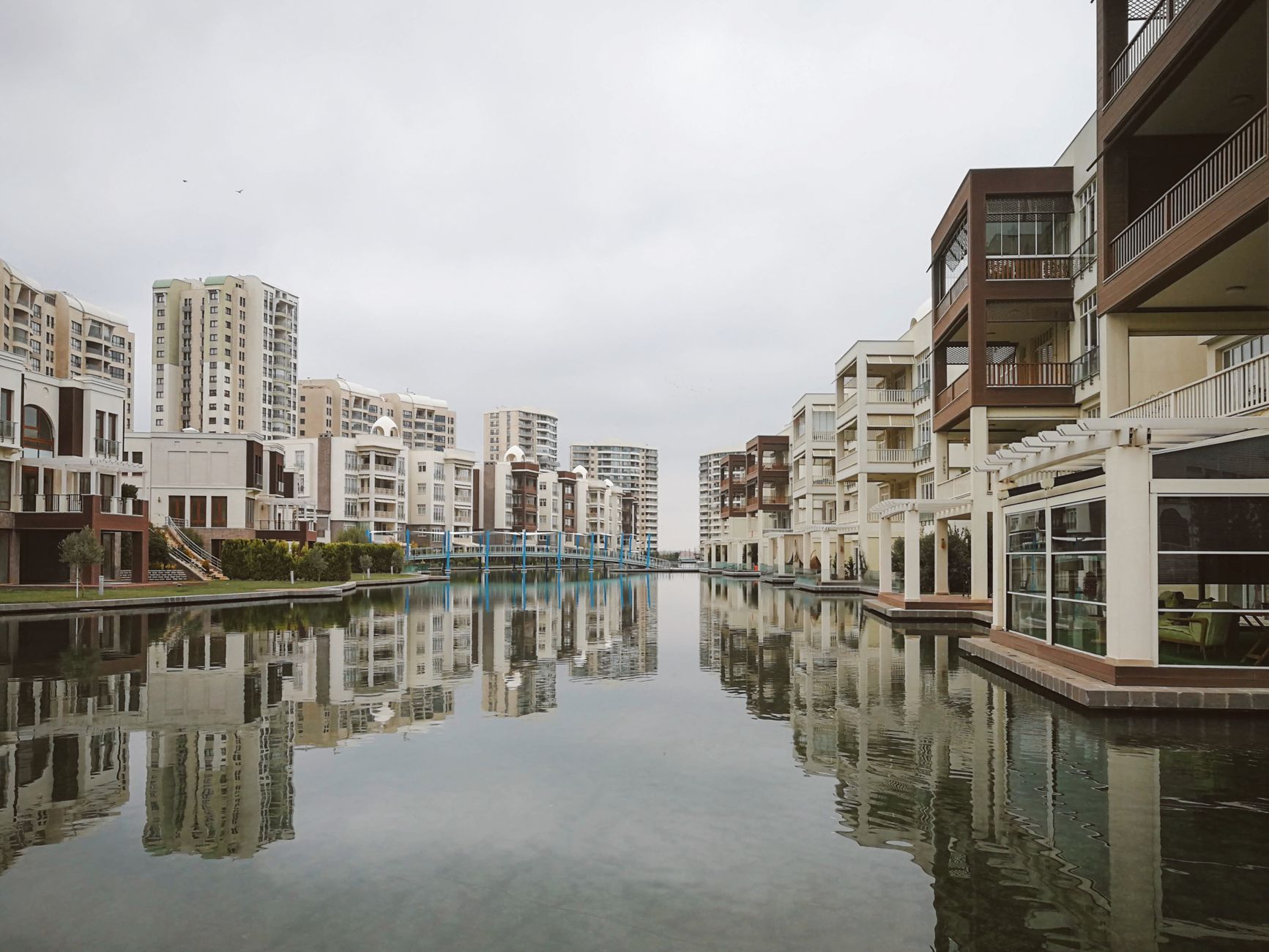
Ras Al Khaimah’s real estate sector has shown resilience in the face of heightened regional uncertainty linked to the Iran conflict, with the northern emirate’s property market continuing to attract interest even as geopolitical risk weighed on broader sentiment across the Gulf. Al Marjan Island, the emirate’s flagship waterfront development, has emerged as a focal point of this stability, according to reporting on the market’s performance during the period of tension.
The resilience reflects a broader pattern seen in the UAE’s property sector, where investor confidence has generally held up during episodes of regional volatility. Ras Al Khaimah, which has positioned itself in recent years as an emerging alternative to more established Gulf property markets such as Dubai and Abu Dhabi, appears to have maintained buyer and investor interest despite the backdrop of conflict-related headlines emanating from the wider region.
Al Marjan Island, a man-made archipelago off the coast of Ras Al Khaimah, has been central to the emirate’s real estate growth strategy, drawing both residential and hospitality investment in recent years. Its continued prominence amid the current period of regional tension suggests that demand for waterfront and mixed-use developments in the emirate has not been significantly disrupted by external security concerns.
Why It Matters for Gulf Investors
For investors across the UAE and the wider GCC, the steadiness of Ras Al Khaimah’s property market carries particular significance. The emirate has increasingly sought to diversify its economy away from oil dependence, with real estate and tourism development playing a central role in that strategy. A resilient property sector during a period of geopolitical stress reinforces the broader narrative that Gulf states with strong regulatory frameworks and diversified economic bases can weather external shocks better than markets more directly exposed to conflict zones.
The Iran conflict has raised concerns in some quarters about potential spillover effects on regional investment climates, given the UAE’s proximity to the wider Gulf and its extensive trade and financial links with Iran and other regional players. However, the apparent steadiness in Ras Al Khaimah’s property market—particularly in a high-profile project like Al Marjan Island—may offer reassurance to investors who had been monitoring the situation for signs of contagion into UAE asset markets.
Ras Al Khaimah’s government has in recent years pursued an active strategy of attracting foreign direct investment into its property and tourism sectors, including large-scale developments aimed at both regional and international buyers. The emirate’s ability to maintain market confidence during a period of external tension could reinforce its appeal to investors seeking diversification within the UAE, beyond the more saturated markets of Dubai and Abu Dhabi.
Market watchers across the GCC will likely continue to monitor how regional geopolitical developments, including any further escalation or de-escalation of the Iran situation, affect investor sentiment toward UAE real estate more broadly. For now, the available reporting suggests that Ras Al Khaimah’s property sector, led by developments such as Al Marjan Island, has avoided the kind of disruption that some had feared amid the conflict-related uncertainty affecting the wider region.
Further details on specific transaction volumes, pricing trends, or developer activity in Ras Al Khaimah were not immediately available.