DUBAI — SpaceX’s latest Starship test flight delivered a new batch of V3 Starlink satellites into orbit but ended with another failed relight of the booster’s engines, a setback closely watched by UAE telecom operators and space-sector investors tracking the pace of low-earth-orbit connectivity rollouts across the Gulf.
What happened in the test flight
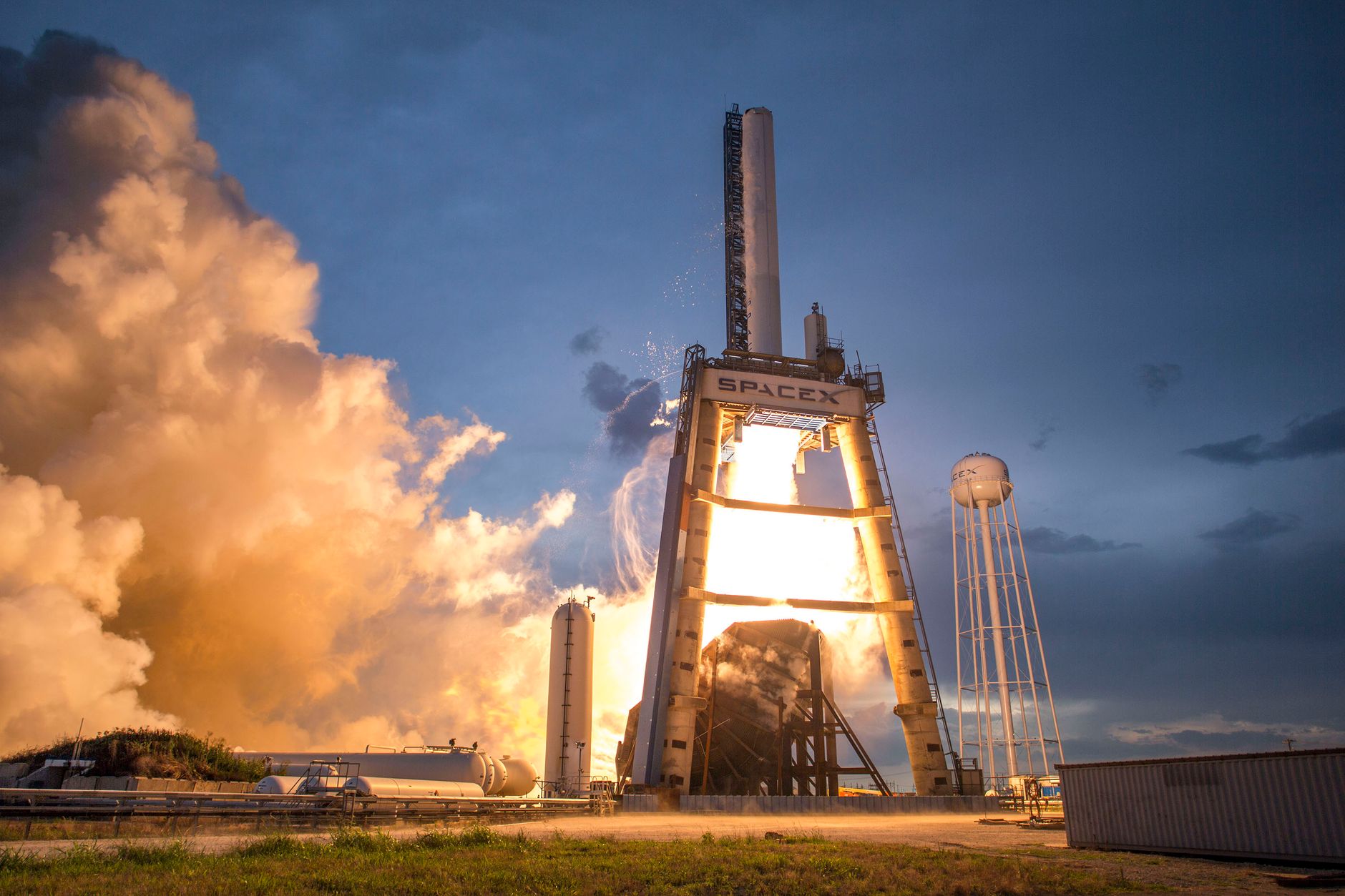
The mission marked the second flight of Starship’s upgraded V3 configuration, designed to carry heavier payloads and eventually replace the V2 fleet currently deploying Starlink satellites. SpaceX confirmed the vehicle successfully released its satellite payload, a milestone that keeps the company on track to expand global broadband capacity. However, the Super Heavy booster again failed to relight several of its engines during the landing sequence, a recurring issue that has now appeared on multiple V3 test flights. The booster was lost, though SpaceX said no anomalies affected the primary satellite deployment objective.
Why it matters for the UAE and GCC
Starlink has expanded steadily across the region, with the UAE Telecommunications and Digital Government Regulatory Authority overseeing licensing discussions as demand grows from maritime, aviation and remote enterprise customers in Abu Dhabi and the wider Emirates. Faster V3 satellite deployment would increase available bandwidth and lower latency for GCC-based logistics, energy and financial services firms that rely on satellite backhaul in areas underserved by fibre. Delays tied to booster failures do not affect satellites already reaching orbit, but repeated launch-vehicle setbacks could slow the broader cadence of V3 deployments SpaceX has promised for 2025 and 2026.
For UAE investors, the episode is a reminder that the commercial space sector — now a strategic priority under the UAE Space Agency and represented locally by companies such as Space42 and Yahsat — remains tied to the reliability of upstream launch infrastructure controlled largely by US providers. Local satellite and downstream connectivity ventures continue to benefit from Starlink’s expanding constellation regardless of booster recovery outcomes, but analysts say sustained booster failures could eventually affect launch costs and payload scheduling relevant to Gulf-based satellite operators planning future capacity agreements with SpaceX.